[ad_1]
LastPay, a payment processing platform co-founded by Austin Diaz and Max Umlas, is positioning itself as a lower-cost alternative for small and mid-sized businesses that send invoices and run their books inside QuickBooks.
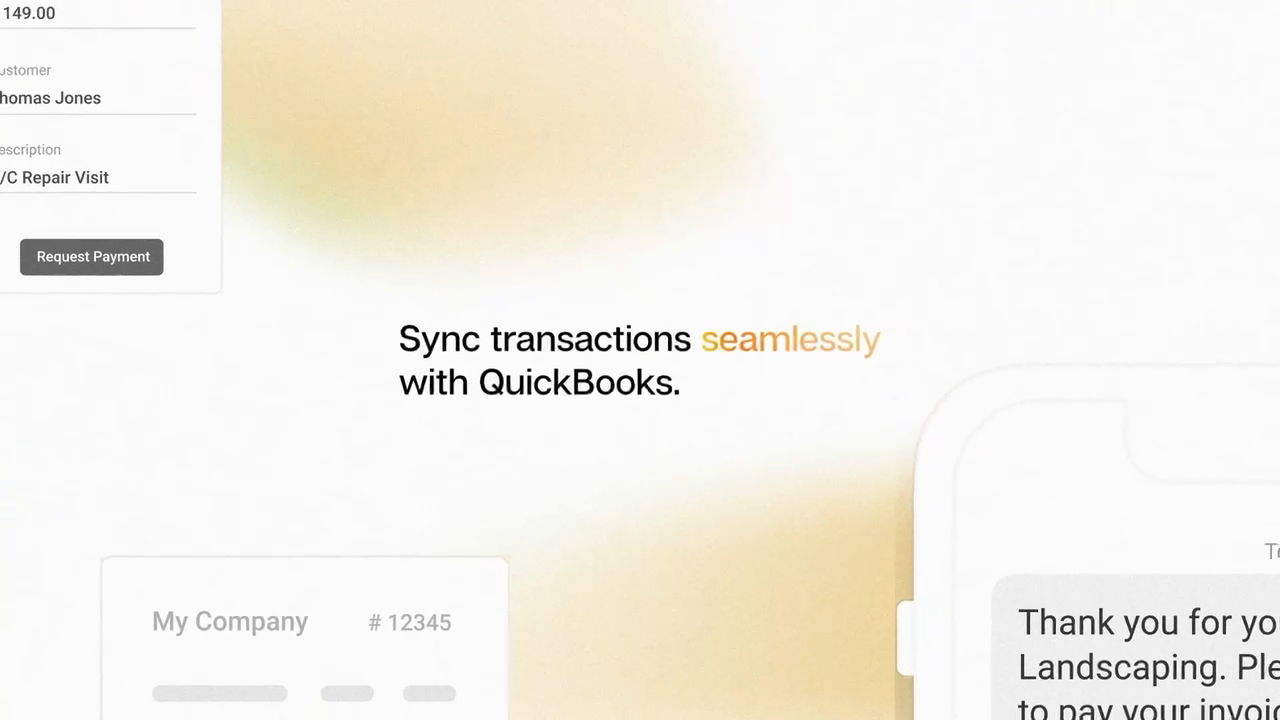
The company integrates directly with QuickBooks Online so that invoices, payments, and reconciliation move through a single workflow. According to LastPay, the integration removes the swivel-chair work that businesses do when their processor and accounting platform refuse to talk to each other.
Pricing is the centerpiece of the pitch. LastPay claims that its clients save thousands of dollars per month against legacy processors, with some annual savings reaching into high five figures. The company attributes the gap to the layered fee structures common at incumbent processors, which often blend interchange, assessments, and proprietary markups into a single rate that is difficult to audit.
Diaz, who entered the payment processing industry as a teenager, co-founded LastPay with Umlas to address what they describe as a credibility gap between what processors charge and what businesses understand they are paying for. Umlas brought operational discipline and a growth framework that allowed the company to scale its client acquisition without buying its way in. The company runs side-by-side audits as part of its sales process and frames the comparison around a customer’s existing statement.
LastPay also says it has integrations in development for Sage, NetSuite, Xero, and Go High Level. The roadmap is consistent with the company’s stated thesis that businesses should not be forced to change accounting tools to access better processing rates.
The platform supports common digital wallets and standard card brands. Operationally, it focuses on automated invoice delivery, payment reminders, and reconciliation back into the customer’s accounting ledger.
The broader market context favors a value-led entrant. Independent surveys of small business owners continue to rank credit card processing fees among the most opaque line items on the operating ledger. LastPay is one of a small group of newer providers betting that owners will move providers if the savings are visible.
Operationally, the platform supports automated invoice delivery, scheduled reminders, and reconciliation back into the customer’s accounting ledger. The company says funding speeds match what most modern processors offer, and that customers using QuickBooks Online can complete onboarding without changing their existing invoice templates or chart of accounts.
Pricing details are quoted on a per-customer basis after a side-by-side review of an existing processing statement. The company says it commits to interchange-plus pricing and avoids the multi-year contracts that have been standard at legacy providers. Funding settles into the customer’s existing bank account through standard ACH rails.
Diaz has framed the company’s near-term strategy around adjacency. The QuickBooks integration anchors the small business segment. Sage and NetSuite extend the reach into the lower mid-market. Xero brings international users into scope. Go High Level addresses the agency vertical, where invoice volume is high and tolerance for friction is low.
The company’s customer mix at one year skews toward services businesses with annual card volume between five hundred thousand and five million dollars. Common verticals include trades, professional services, and B2B subscription operators.
Diaz spent the company’s first year resisting the temptation to compete on feature breadth. The position is unusual in fintech, where new entrants often launch a six-product roadmap before they have hit a hundred customers. The company has chosen to ship one tightly defined product to a tightly defined customer and refine it on the way.
Industry observers note that the strategy has historical precedent. The processors that have grown durably over the last decade have done so by picking a vertical, getting it right, and letting word of mouth carry the rest. LastPay’s early traction inside services businesses fits that pattern.
The company says it does not publish a public price list because pricing depends on the volume profile of each customer. Quotes return within two business days of receiving a recent statement, and the company commits to honoring the quote in writing for ninety days.
More information is available at lastpay.io.
For a closer look at the platform, watch Sending Invoices On QuickBooks With LastPay on the LastPay YouTube channel.
[ad_2]
Source_link