[ad_1]
Even without an official sponsorship, companies can reach consumers by moving quickly.
More than just a competition between athletes, the FIFA World Cup is one of the few remaining occasions where brands can reach mass audiences with a single message.
Because of this, competition to win the public’s attention is only growing more fierce.
Below are three things brands should keep in mind heading into the upcoming FIFA World Cup, scheduled to run from June 11 to July 19.
- Even non-fans are paying attention
Most Americans don’t care about soccer.
Just 12% of U.S. adults consider themselves fans of the sport, according to figures from market research firm YouGov. That’s below average. On a global level, 26% of people say they actively follow the game.
For an event as big as the World Cup, however, this metric doesn’t mean much.
“The data clearly shows that the FIFA World Cup 2026 is bigger than (soccer) itself,” Nicole Pike, global head of YouGov Sport, wrote in a recent report. “This isn’t just a tournament; it’s a cultural event with a gravitational pull that touches sport, music, travel, and identity.”
Jenna Guarneri, CEO and founder of JMG Public Relations and author of You Need PR, noted that because the World Cup has become a major spectacle that matters to more than just sports fans, businesses big and small have an opportunity to get involved however they can. That can include anything from partnering with a local influencer to putting on an in-person watch party.
“You really don’t have to be an official sponsor to hit a home run on this,” said Guarneri.
- Celebrate the nation
For the first time since 1994, the FIFA World Cup is happening in North America. Cities from Boston and Miami to Dallas and Los Angeles, along with a handful of cities in Mexico and Canada, will host the games.
This is good news for American companies looking to connect with local soccer fans.
“Sports fans tend to have affinity for their home teams, allowing brands to align with national pride,” said Jacqueline Babb, associate professor and academic director of integrated marketing communications at Northwestern University.
The fact that America will be celebrating 250 years of independence this July 4th adds another layer of homegrown revelry to the tournament.
“The 2026 convergence of the semiquincentennial and the World Cup presents a generational opportunity,” Babb added. “Brands can celebrate the local heroes and shared narratives that define the American spirit for the next 250 years, delivering on a sense of shared pride and optimism.”
The strategy of appealing to collective pride is one Truly Hard Seltzer is leaning into.
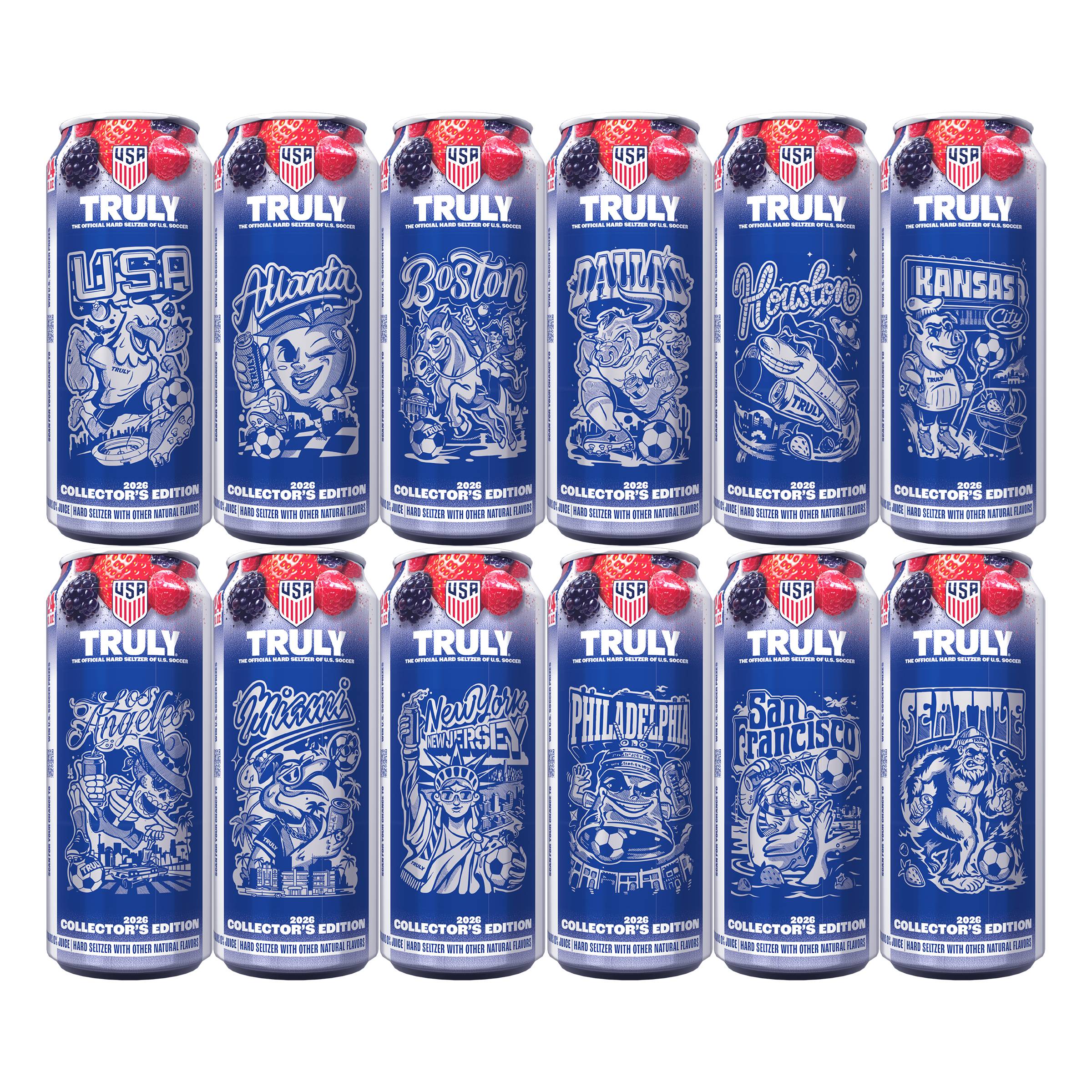
The beverage brand is running a major campaign that includes national advertising, limited-edition cans inspired by American host cities, and the opportunity for consumers to nominate their town to temporarily change its name to Believe, USA. The winning town will receive a branded makeover that involves a ribbon-cutting ceremony and pop-up bar, which Truly hopes will become the official U.S. Soccer party hub throughout the tournament.
“American soccer fans have always shown up with unmatched energy for the U.S. Men’s National Team, and Truly wants to give that passion a real, tangible home,” said Taylor Jette, senior manager of communications at The Boston Beer Company, Truly’s parent organization. “When a campaign is rooted in a genuine cultural moment rather than manufactured hype, consumers don’t just hear it, they want to be part of it.”
- Embrace every medium
Much has changed since the 2022 FIFA World Cup in Qatar. Media fragmentation has accelerated. Short-form video has surged in popularity. AI-generated content has become a common sight in feeds everywhere.
In terms of which channels are grabbing people’s attention, consider the following: Nearly half (49%) of shoppers aged 18-34 recall noticing FIFA World Cup sponsorship branding on social media, according to a recent YouGov survey. That’s 10 points higher (39%) than those who remember seeing it during a television broadcast.
The numbers reinforce that younger viewers are spending more time with TikTok and Instagram than traditional TV. The gap is only bound to keep growing.
Truly’s marketing push, for example, consists of traditional TV commercials, but also content on social channels and attempts at generating earned media.
“This is one of Truly’s biggest brand campaigns ever, so we’re showing up everywhere fans are,” explained Jette.
The situation, however, presents a path for any brand wanting to connect with a wider audience.
And while speed and timing are important qualities when it comes to keeping pace with massive meme-generating events, such as the World Cup, they aren’t the only factors brands should focus on.
Guarneri of JMG Public Relations cautioned that just because companies can move fast on social media, doesn’t mean they should. She advised brainstorming creative and unique ideas while allowing enough time to make sure they align with the brand’s identity before posting them.
“It’s important to act quickly, but also have a clear strategy,” said Guarneri. “You don’t want to dilute your brand by not thinking before you react.”
The post 3 PR trends from the upcoming World Cup appeared first on PR Daily.
[ad_2]
Source_link