Link bait is content created specifically to attract links.
Not because you ask for them, but because the content is genuinely useful, interesting, or unique enough that people want to reference it.
In SEO terms, it’s one of the simplest ways to earn natural backlinks and strengthen your link building strategy without relying entirely on outreach.
The key is matching search intent.
If someone searches “what is SEO,” the best link bait isn’t a random blog post. It’s a comprehensive guide that fully answers the question better than anything else in the search results.
When your content becomes the best answer, it naturally earns links.
And it’s not limited to blog posts. Tools, research, templates, and visual content can all act as link bait, as long as they provide real value to your target audience.
In this article, we’ll break down what link bait actually looks like in practice, the types that work best, and how to turn it into a consistent source of high quality backlinks.
Key Takeaways:
- Link bait is content designed to naturally attract links by providing real value to your target audience
- The best link bait content matches search intent and stands out in search results
- You don’t need viral or controversial content for link bait to work. It just has to be useful and well-structured
- Different formats can work as link bait, including blog posts, visual content, tools, templates, and research
- Successful link bait combines a strong content strategy with distribution, not just creation

Link building cheat sheet
Gain access to the 3-step strategy we use to earn over 86 high-quality backlinks each month.
What is Link Bait in SEO?
Link bait in SEO is any piece of content designed to attract links naturally.
Instead of actively building links through outreach, link bait works by giving people a reason to link to you in the first place. When your content becomes genuinely useful or worth referencing, other website owners start linking to it on their own, creating natural backlinks over time.
That’s what separates link bait from traditional link building.
You’re not chasing links. You’re earning them.
At its core, link baiting is about creating content that perfectly matches search intent. If your content solves a problem better than anything else in the search results, it becomes the obvious choice to reference.
That’s why some of the best link bait content is surprisingly simple.
A comprehensive guide, a well-structured blog post, or a clear explanation of a topic can outperform flashier formats if it fully satisfies search intent. Think of something like Moz’s Beginner’s Guide to SEO.
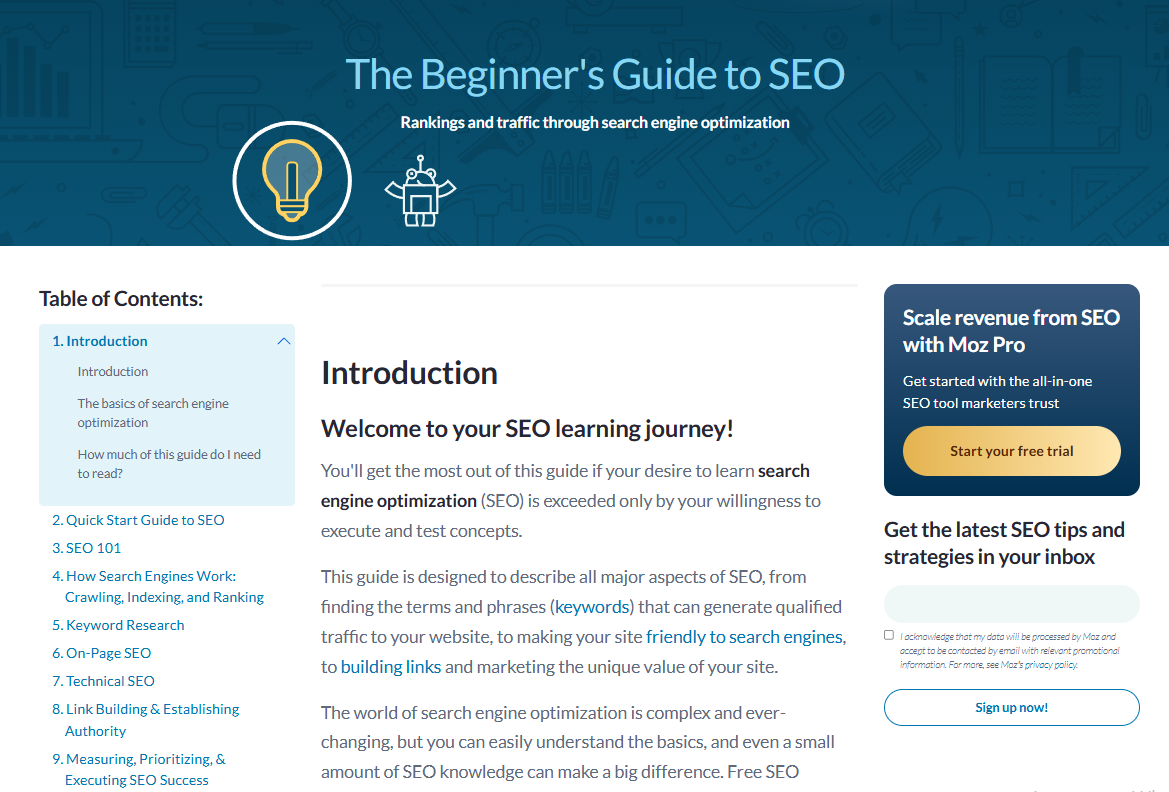
It’s not trying to be viral. It’s just the best answer available.
And that’s enough to attract inbound links.
Of course, link bait doesn’t have to be a blog post.
It can be visual content, interactive tools, research, or anything else that provides real value. The format matters less than the usefulness.
If the content helps people do something better, understand something faster, or access information they couldn’t easily find elsewhere, it has the potential to become effective link bait.
Link Bait Types (Other Than Ultimate Guides)
Original Research, Studies & Statistics
Original research is one of the most reliable forms of link bait.
When you publish data that doesn’t exist anywhere else, you give people a clear reason to link to you. Writers, content creators, and even journalists constantly need stats to support their arguments. If your content provides that, it naturally becomes a source of inbound links.
That’s what makes this type of link bait so effective.
You’re not just creating content. You’re creating something other people’s content depends on.
A good example is our own podcast outreach case study.
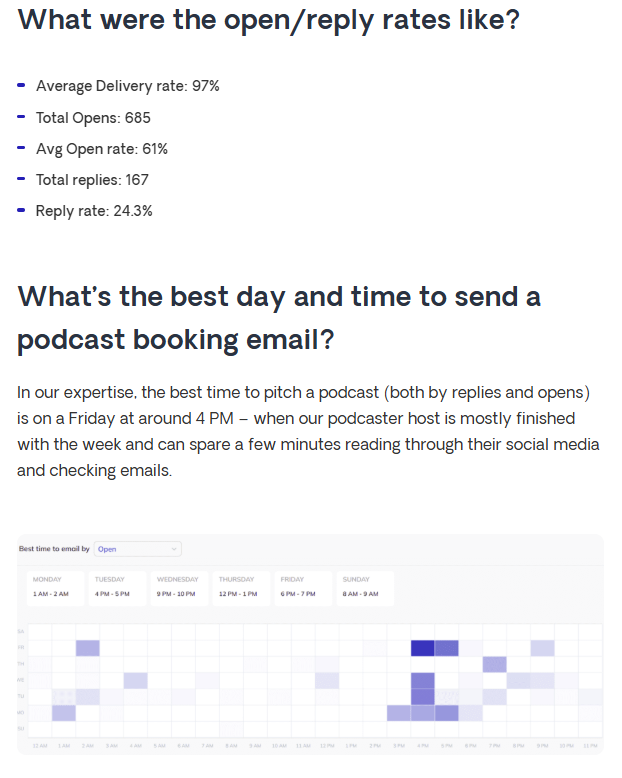
Instead of writing another generic blog post, we broke down a real campaign with actual results, numbers, and takeaways.
That kind of content is far more valuable than theory, because people can reference it when talking about outreach, link building, or content strategy.
Once a piece like that gets picked up, it starts earning natural backlinks from related posts, guides, and even social media discussions. Over time, it becomes a go-to resource within that topic.
The same pattern applies to industry studies.
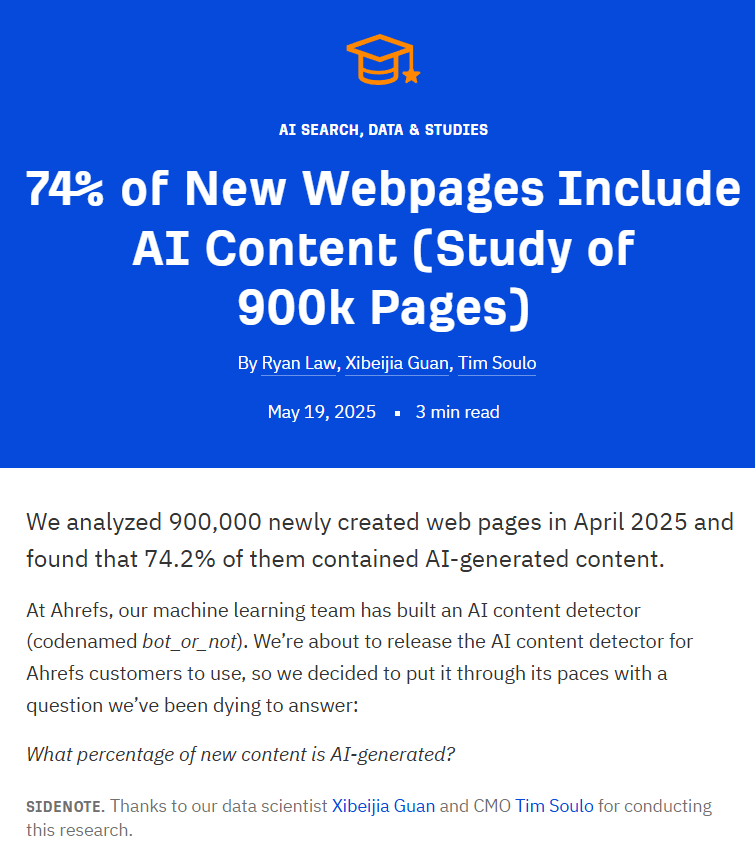
Think about large-scale research pieces like Ahrefs’ content studies or similar reports you’ll often see referenced across dozens of blog posts. They continue to attract links long after they’re published because they provide something unique.
That’s the goal with link baiting.
Create content that’s not just good, but irreplaceable. When your content becomes the best available source on a topic, earning links stops being something you chase and starts happening on its own.
Videos
Video content is an underrated form of link bait.
Most blog posts can be written relatively quickly. Videos can’t. They require more effort, more planning, and often a deeper level of expertise to execute properly. That alone makes them more valuable in many cases.
But the real advantage is clarity.
For complex or technical topics, showing something is almost always better than explaining it in text.
Once again, Ahrefs is a master of this:
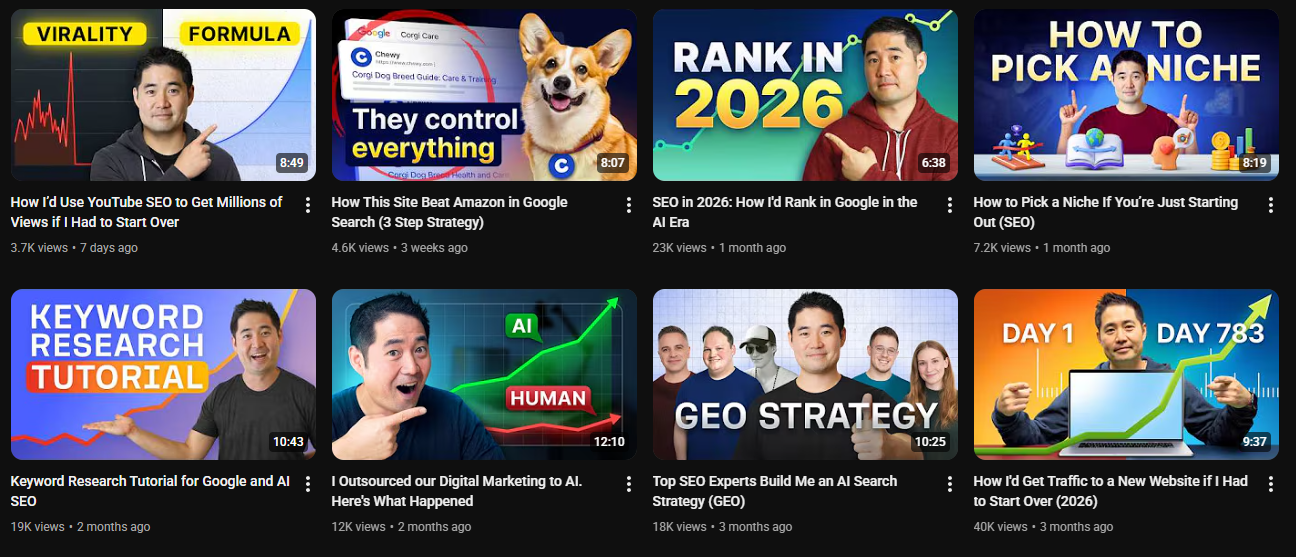
Whether it’s a walkthrough, a tutorial, or a breakdown of a process, video content helps your target audience understand things faster. That makes it more likely to get shared across social media platforms and referenced in related posts.
And that’s where the links come from.
People will often embed or link to a video when they don’t want to explain something themselves. Instead of rewriting the same explanation in a blog post, they’ll just drop in your video as the reference.
That creates natural backlinks without additional effort.
Video also extends your reach beyond traditional search engines. Platforms like YouTube act as their own search engines, which means your link bait content can attract visibility and links from multiple sources at the same time.
Free Tools Pages
Free tool pages are one of the strongest forms of link bait, especially for SaaS companies.
If you’re building any kind of software, chances are there’s a smaller version of your product you can turn into a free tool.
Think email finders, validators, calculators, generators, or anything that solves a specific problem quickly.
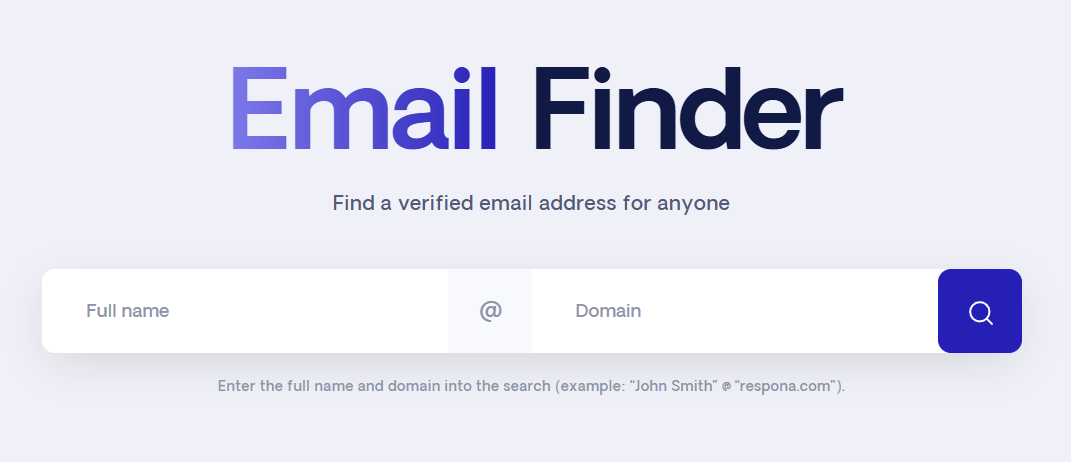
That’s what makes them so effective for link building.
People don’t link to tools because you asked them to. They link because the tool is useful. It becomes an easy addition to blog posts, resource pages, and roundups, which naturally leads to backlinks over time.
There’s also a second benefit most people overlook.
Free tools aren’t just about backlinks. They’re also a lead generation channel. If someone uses your tool, there’s a good chance they’ll come back or convert later. So you’re building links and generating demand at the same time.
The only real downside is maintenance.
Unlike other types of link bait, tools require ongoing updates, bug fixes, and hosting. So while they can generate high quality backlinks and strengthen your overall link building strategy, they also come with long-term costs.
Templates & Blueprints
Templates and blueprints are one of the easiest ways to create link bait that consistently earns backlinks.
The reason they work so well for link building comes down to usability. You’re not just publishing content, you’re giving people something they can actually use.
We’ve seen this firsthand with our email outreach templates.
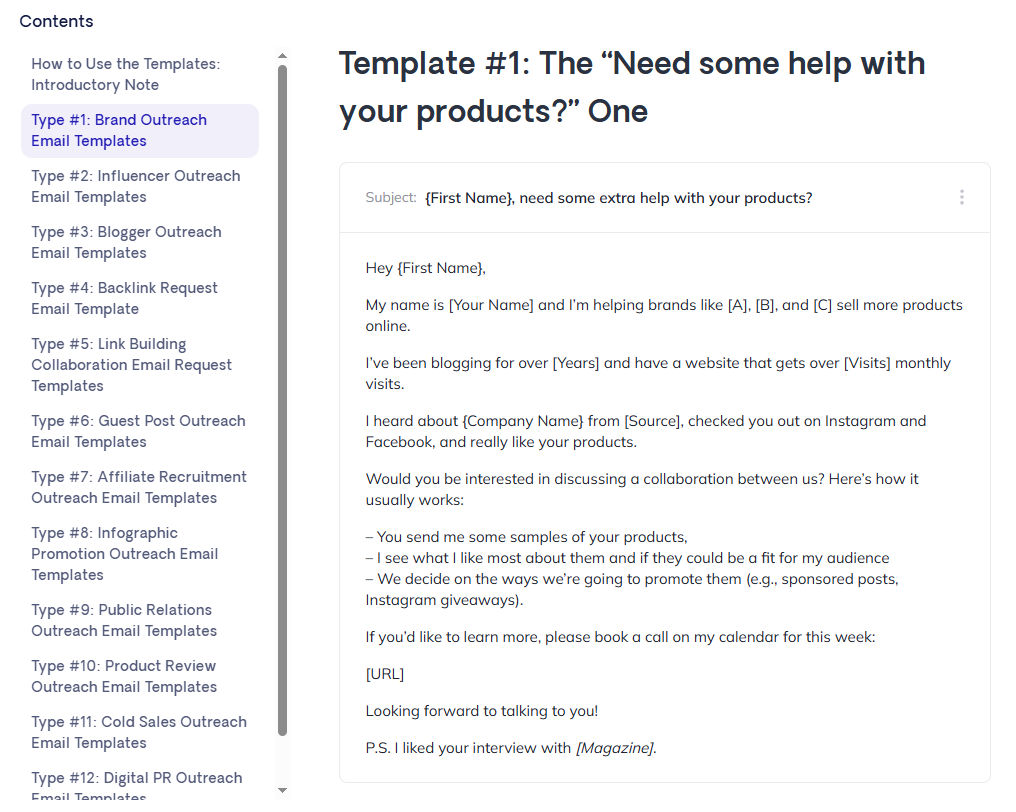
But this approach isn’t limited to one niche. It works almost everywhere. An SEO agency can publish an SEO audit template.
A marketing team can create campaign blueprints. An auto-shop can provide a step-by-step used car inspection checklist you can follow on your own.
From a link building strategy perspective, this is powerful because it attracts links passively.
The key is specificity.
Generic templates don’t perform nearly as well. The more practical and niche your template is, the more likely it is to earn high quality backlinks from relevant sites.
Listicle Posts
Listicle posts can work as link bait, but not in the way most people think.
Publishing a “top 10 tools” article and hoping people will link to it rarely works. There’s no real reason for someone to give you a backlink just because your list exists.
The real opportunity comes from flipping the angle.
Instead of writing for readers, you write for the companies featured in the list.
For example, you can publish a list of companies in your niche. If you’re in link building, that could be a list of link building agencies.

If you’re in SaaS, it could be tools in your category. The goal is to create something that includes a lot of relevant players.
Now you have something to build links with.
You can reach out to those companies and let them know they’ve been featured. A simple message works. “Hey, we just included you in this list, would love your thoughts.”
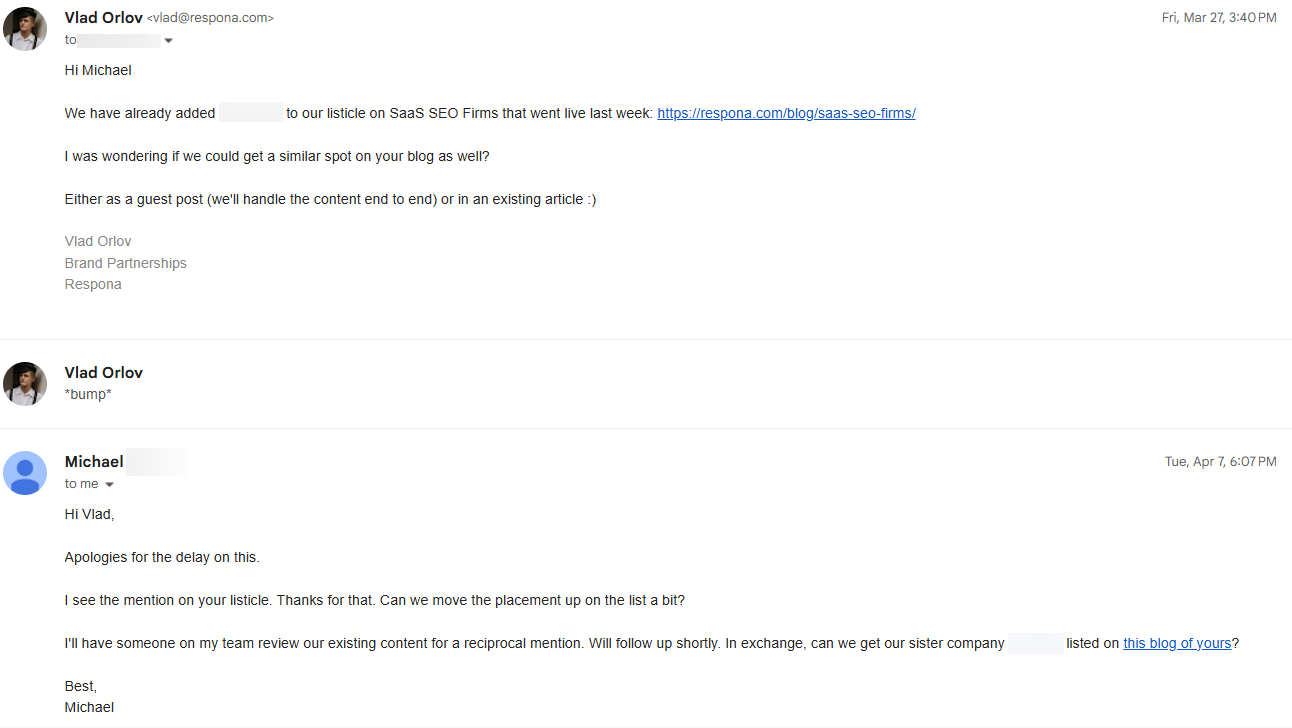
That opens the door.
From there, you can turn it into a link building opportunity. You can ask for a similar placement on their site, suggest a collaboration, or offer to contribute a listicle post to their blog that includes a link back to your main website.
This works because there’s already a connection.
You’re not pitching cold. You’ve already done something for them, which makes it much easier to start a conversation and build links from relevant sources.
Do You Still Need Outreach For Link Bait to Work?
In theory, no.
If your link bait is good enough, it should attract backlinks on its own. People discover it, find it useful, and link to it naturally. That’s the whole idea behind this type of link building.
But in reality, it’s a lot slower than people expect.
Even strong assets like free tools, templates, or listicle posts can take months or even years to accumulate a meaningful number of backlinks. You might get a few here and there, but not enough to move the needle in terms of ranking or visibility.
That’s the gap most people underestimate.
Link bait helps with building links passively, but it rarely replaces outreach entirely. If you want to speed things up, you still need to promote it, get it in front of the right people, and actively build links to it.
That’s where most teams fall short – it’s a lot of work that small teams don’t have the capacity for.
You have to hire link builders (or set aside a HUGE chunk of each day to build links), pay for a stack of tools, manage them… For most companies, it makes more sense to outsource this.
Instead of manually identifying opportunities and running outreach yourself, you can simply place an order and define what you’re looking for, including link tier and placement type. From there, the team handles the rest.
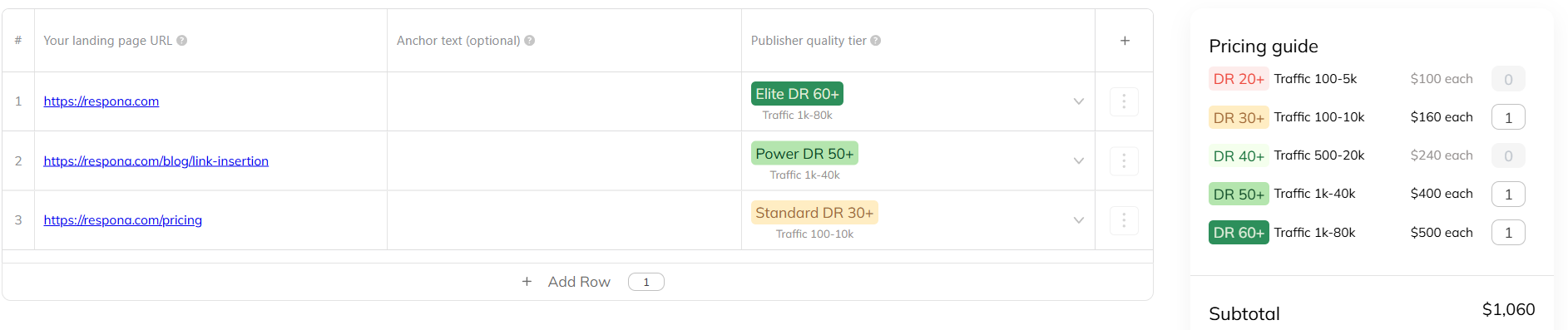
Respona combines an internal publisher database with real outreach to secure placements on relevant, authoritative websites.
That means your link bait doesn’t just sit there waiting for backlinks, it gets actively promoted where it matters.
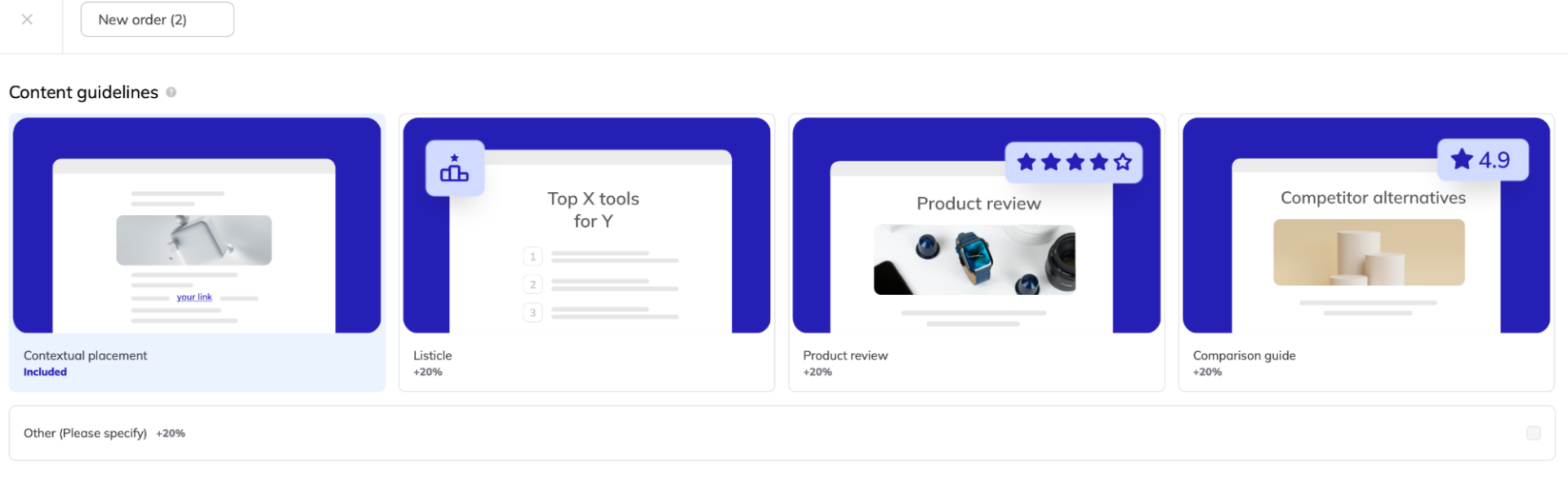
You still stay in control.
You can review and approve or reject placements before they go live, which helps maintain link quality and keeps your backlink profile clean.
On top of that, the campaigns feature gives you a clearer picture of where your visibility is coming from in AI searches, not just Google.
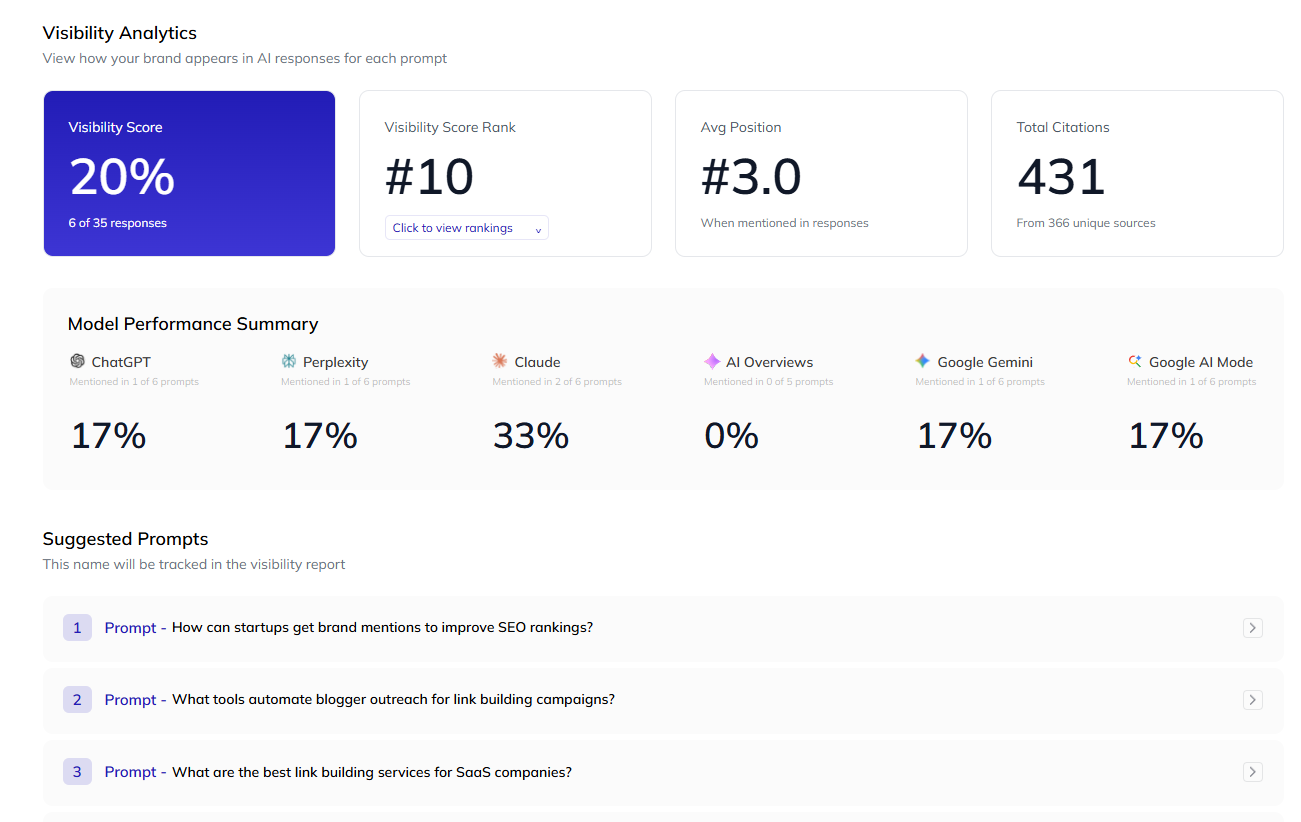
It tracks how your content performs across multiple answer engines and helps identify high-intent opportunities where your links can be placed for maximum impact.
So while link bait can work on its own, outreach is what turns it into a real link building strategy.
Without it, you’re waiting.
With it, you’re building.
Link building cheat sheet
Gain access to the 3-step strategy we use to earn over 86 high-quality backlinks each month.
Now Over To You
Link bait works.
But on its own, it’s slow.
You can publish great content and wait months for a handful of backlinks… or you can speed things up.
Instead of handling outreach yourself, you just place an order, choose your link tier and placement type, and let the team handle everything.
They find opportunities, secure placements on relevant websites, and build high quality backlinks to your pages.
You can review and approve every link before it goes live.
If you already have link bait, don’t let it sit there.
Place an order and turn it into actual links.
Frequently Asked Questions (FAQ)
What is link bait in link building?
Link bait is content specifically created to attract backlinks naturally. This can include free tools, templates, listicle posts, or any type of content that people find useful enough to link to without being asked.
Does link bait still work for SEO?
Yes, but it works best when combined with outreach. While link bait can attract backlinks passively, most pages need some level of promotion to build enough links to impact ranking.
What types of content work best as link bait?
The most effective types include free tools, templates, blueprints, and curated listicle posts. These formats tend to attract backlinks because they provide immediate value and are easy to reference.
Do I need outreach if I have link bait?
Technically no, but in practice yes. Without outreach, link bait can take months or years to accumulate backlinks. Outreach helps speed up the process and improves the effectiveness of your link building strategy.
How do I build backlinks faster with link bait?
You can speed things up by combining link bait with a done-for-you link building service. Instead of managing outreach yourself, you can place an order and have a team secure placements on relevant websites for you.
What should I look for in a backlink?
A good backlink comes from a relevant, authoritative website, is placed naturally within content, and uses appropriate anchor text. High quality backlinks are more valuable than a large number of low quality links.
Is link bait better than traditional link building?
Link bait and traditional link building work best together. Link bait creates opportunities for backlinks, while outreach ensures those opportunities actually turn into links.