Plus: Paramount promises ‘editorial independence’ for CNN; Anthropic’s CEO apologizes for internal memo.
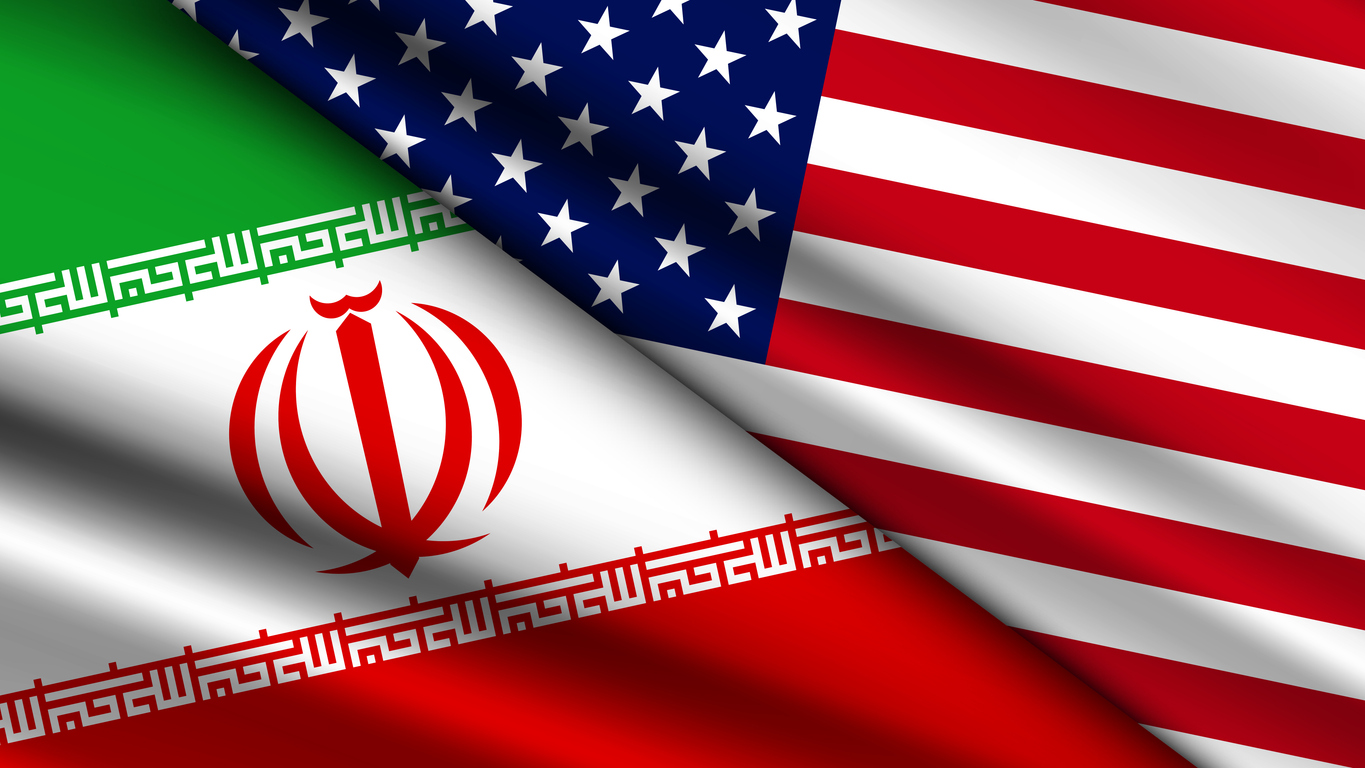
Less than a week after it began with a weekend strike that killed Ayatollah Ali Khameni, the war in Iran is already taking a humanitarian toll. More than 1,000 people have already been killed as a result of joint American-Israeli airstrikes.
There are also business consequences as a result of the war that could impact the world for months or years to come. President Donald Trump has said that while the attack was planned to last four or five weeks, “we have the capability to go far longer than that.”
The first and most obvious impact is on the oil and gas market. The average price of a gallon of gas in the United States jumped 27 cents to $3.25, about on par with the impact of the 2022 invasion of Ukraine by Russia, CNBC reports. Oil is up 28% to $86 a barrel, and that number could go higher.
The issue centers around the Strait of Hormuz, the only pathway for tankers to enter or exit the oil-rich Persian Gulf. About one-third of the world’s oil passes through the narrow strait, which Iran has declared closed and waged attacks against some ships.
Trump said that tankers could receive U.S. naval escorts to protect them in the area, but some are skeptical of the plan, questioning whether there are enough naval ships to help the 400 ships currently stranded in the Gulf.
Outside of oil, the stock and mortgage markets have also seen hits as investors and economists worry whether the war will reignite inflation in the United States.
Why it matters: Outside of a few key industries, wars are rarely good for business. Beyond the concrete disruptions in supply chains and oil prices, they introduce uncertainty into a world that was already feeling mighty uncertain.
Consumers were already feeling frustrated and stretched thin by rising prices on everything from beef to electricity. Paying more at the pump on top of everything could add to angry consumer sentiment — to say nothing of increased prices caused by higher oil prices.
Ultimately, most reasonable people understand that businesses aren’t to blame for the war. But they’ll still react with belt-tightening and price sensitivity.
Communications can help by simply being honest about the reasons for price increases or delays. The earlier, more frequently, and more clearly you can share the reasons for price hikes or late deliveries, the better.
Stay empathetic, stay curious and stay safe.
Editor’s Top Reads:
- One of the largest questions amid Paramount Skydance’s proposed acquisition of Warner Bros. Discovery has been what will happen to CNN. Paramount CEO Brett Ellison has publicly addressed the matter for the first time: “Editorial independence will absolutely be maintained,” he said. He continued: “And, really, who we want to talk to is the 70% of Americans and really around the world that identify as center-left, as center-right. And we want to be in the truth business.” While this sounds reassuring, Ellison also said that CBS News’ editorial independence has been maintained — while it may be technically true, it does not reflect the profound changes in the organization since Bari Weiss took over editorial operations. Ultimately, Ellison’s statements raise more questions than they answer and are certain to incite unease among the CNN newsroom and viewers.
- Anthropic was formally named a supply chain risk to America’s national security by the Department of War. CEO Dario Amodei issued a lengthy statement explaining where the AI company currently stands, what comes next and even an apology. Amodei said that the designation would have a limited impact on business customers, as it only affects work directly performed for the Department of War. He also said that conversations with the Department are ongoing and productive — so there may still be a solution in sight. Perhaps most interestingly, he apologized for comments leaked Friday from an internal channel where he criticized both the Trump administration and rival OpenAI. “It was a difficult day for the company, and I apologize for the tone of the post,” he wrote. “It does not reflect my careful or considered views. It was also written six days ago, and is an out-of-date assessment of the current situation.” It’s a clear and unequivocal apology that also puts the statement into its chronological timeline. Will it change anything? We’ll see.
- McDonald’s CEO Chris Kempczinski went viral earlier this week for his awkward burger eating and insistence on calling the Big Arch a “product” instead of, you know, a burger. But after an initial backlash, both McDonald’s and the broader fast food industry have been making lemons into lemonade. McDonald’s poked fun at itself with a social media post urging people to “take a bite of our new product.” The top comments alongside the post were pile-ons from competitors, written in all-lowercase letters. “your CEO reads this as a threat,” wrote Wendy’s. “from one CEO to another: eat your product,” Jack in the Box added. Meanwhile, Burger King’s CEO put his money where his mouth is and took massive bites of a newly retooled Whopper — a stark contrast to Kempczinski’s timid nibbles. Overall? Everyone comes out ahead here. McDonald’s showed self-awareness and humility and earned a playful second round of media coverage for its troubles. Burger King in particular became part of the narrative. The others got their jabs in. Overall, the incident is unlikely to dent McDonald’s reputation and certainly made people aware of the new Big Arch, far more than a successful CEO tasting video would have.
Allison Carter is editorial director of PR Daily and Ragan.com. Follow her on LinkedIn.
The post The Scoop: The war in Iran’s impact on consumers, businesses appeared first on PR Daily.