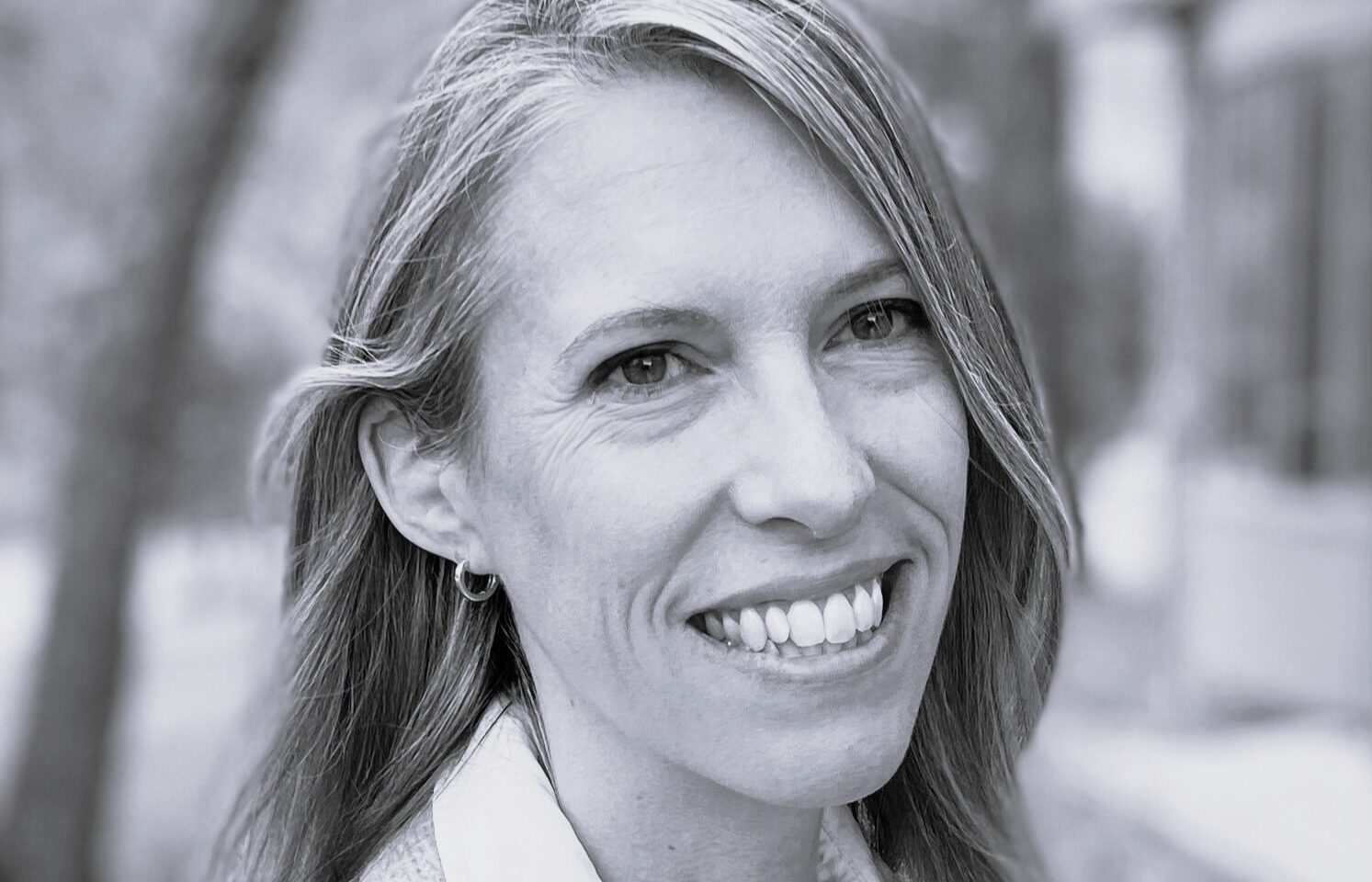
Elizabeth Cook of FleishmanHillard shares why certainty is risky in a crisis and how spokespersons build trust by focusing on action over explanation.
Elizabeth Cook, a senior partner at FleishmanHillard, has over 20 years of experience helping leaders and organizations navigate high-stakes issues, crises and public affairs challenges. Cook has advised Fortune 100 companies, government agencies and nonprofits on everything from cybersecurity and public safety to geopolitical and workforce issues.
As a leader on the firm’s U.S. corporate affairs team, she also helps shape executive visibility strategies and the firm’s point of view across media, events and digital platforms.
You’ve spent more than two decades advising Fortune 100 companies, government agencies and NGOs through high-stakes moments. Looking back, what early career experience most shaped how you approach crisis leadership today?
In the early 2010s, I spent six months onsite during a client crisis as chief of staff in the war room. Not only did it encompass nearly every ingredient of a major crisis response — huge media attention, hearings, settlements and recovery programs — but it also included leaders who were determined to do the right thing every step of the way. There were instances where we recommended, and saw executed, programs that went far above and beyond legal requirements, to the point that even the regulators involved came to understand gaps in their guidelines and approach. It taught me that if you’re willing to be bold, you can create lasting good out of every situation.
You’ve worked both in-house and on the agency side. How has that dual perspective changed the way you coach executives who are in the spotlight during a crisis?
When you’re in-house, you have so much context, background and extra detail that you may think could turn perception around; it’s easy to get stuck cycling on “If I could just say this,” or “If they only knew that,” believing everyone would understand you’re not the bad guy. Ultimately, that’s counterproductive — very few reputations are saved by re-litigating how you got here, and the time is much better spent outlining how you’re going to contribute to the solution. It’s much easier to be clearheaded about that from the outside, able to hear the background and context, take what’s actually helpful, and move everyone toward the action plan.
AI-driven misinformation and deepfakes have raised the stakes for crisis response. How should executives rethink preparedness in a world where credibility can be undermined in seconds?
In a word, vigilance. And it’s not one team’s responsibility — every tool and team has blind spots, so it takes organization and coordination across social media managers, community managers, social care teams and issues and crisis monitoring, with everyone bringing a “see something, say something” mindset. From there, it’s about making sure you can move fast through the playbook — verify the facts, work with the platforms, push your statement and don’t neglect the human stakeholders involved.
Is there a moment in your career when a crisis response didn’t go as planned, but ultimately made you a better counselor? What did it teach you?
I was working with a client on a long-term environmental cleanup, and everyone involved was absolutely certain that a particular parcel had been cleared. Long story short, all were surprised when residual contamination was found. It reinforced that the concept of “certainty” in a crisis is very risky, and it’s a reminder to always test your plans against the what-ifs to see if there’s a way to move forward without boxing yourself in if things change.
What skills or traits do you believe will define an effective crisis spokesperson in the years ahead?
FleishmanHillard just published very comprehensive research that looks at the difference in how engaged consumers and executives feel about today’s environment and how businesses are communicating. One of the big takeaways was that leaders are giving themselves a much higher grade than they’re receiving from stakeholders when it comes to communicating through uncertainty and change in this era. Stakeholders want honesty, accountability and transparency, and spokespeople who really think about each stakeholder group, what they care about and how to reach them have the best chance to close that gap instead of assuming that a single interview or appearance can break through.
When you’re not advising executives or preparing leaders for crises, what helps you reset or recharge?
It’s winter in Michigan so we’ve been doing a LOT of sledding. It’s really fun when you see your kids go from fear about moving up to “the big hill” to hardly being able to tear them away.
Join Ragan’s Crisis Communications Virtual Conference on Wednesday, Jan. 28, to learn how to prepare executives to lead with credibility in moments of crisis. Elizabeth Cook, senior partner at FleishmanHillard, will share how to train leaders to communicate with clarity, empathy and confidence amid AI-driven misinformation and constant scrutiny. Register here.
Isis Simpson-Mersha is a conference producer/ reporter for Ragan. Follow her on LinkedIn.
The post FleishmanHillard senior partner on the new rules of crisis spokespersonship appeared first on PR Daily.