
SEO over-optimization is one of those things you don’t notice while you’re doing it.
You’re just “being thorough.” Tweaking headings. Adding more keywords. Fixing anchors. Running another optimization pass because a tool told you to.
And then somehow the page gets worse.
It reads weird. Rankings stall. Or you end up with five near-identical articles fighting each other in the SERPs.
I’ve seen it happen a lot, and I’ve done it myself.
In this article, I’ll break down 7 common SEO over-optimization traps to avoid, what they look like in real life, and what I do instead when I want better rankings without turning a page into an SEO experiment.

Link building cheat sheet
Gain access to the 3-step strategy we use to earn over 86 high-quality backlinks each month.
Does Over Optimization Actually Hurt Your SEO?
Most of the time, over-optimization doesn’t “hurt” your site in a dramatic way.
It’s not like you add one extra keyword and Google nukes your rankings.
What over-optimization usually does is way more boring: it wastes your SEO efforts.
You spend hours tweaking things that don’t matter. The end result is a page that stays stuck, not because it’s broken, but because you never focused on producing the right content or making the right improvements.
The only time I’ve seen over-optimization actually hurt is when someone takes a page that already ranks and starts messing with it too aggressively.
They rewrite sections that are fine as they are, force new keywords in, change headings for no reason, or “optimize” the copy until it stops matching the original intent.
That’s when you can lose rankings.
Common Over Optimization Examples
Keyword Stuffing
Keyword stuffing is the most obvious optimization mistake, and somehow people still do it.
Usually, it starts with good intentions. You want to make sure Google understands the topic, so you repeat the keyword a few extra times. Then you add a couple more variations. Then you reread the paragraph, and it sounds like a robot wrote it.
At that point, you’re not optimizing. You’re making a keyword soup.
The annoying part is that most keyword stuffing happens because people try to “eyeball” optimization.
You don’t need to mention a keyword 50 times per page for Google to notice it.
About 10 mentions of the main topic throughout the whole page, along with a bunch of relevant keywords and related topics, is just fine. Producing quality content that naturally covers the subject will do more for you than repeating any single term.
How do you know when enough is enough? Tools like MarketMuse and SurferSEO.
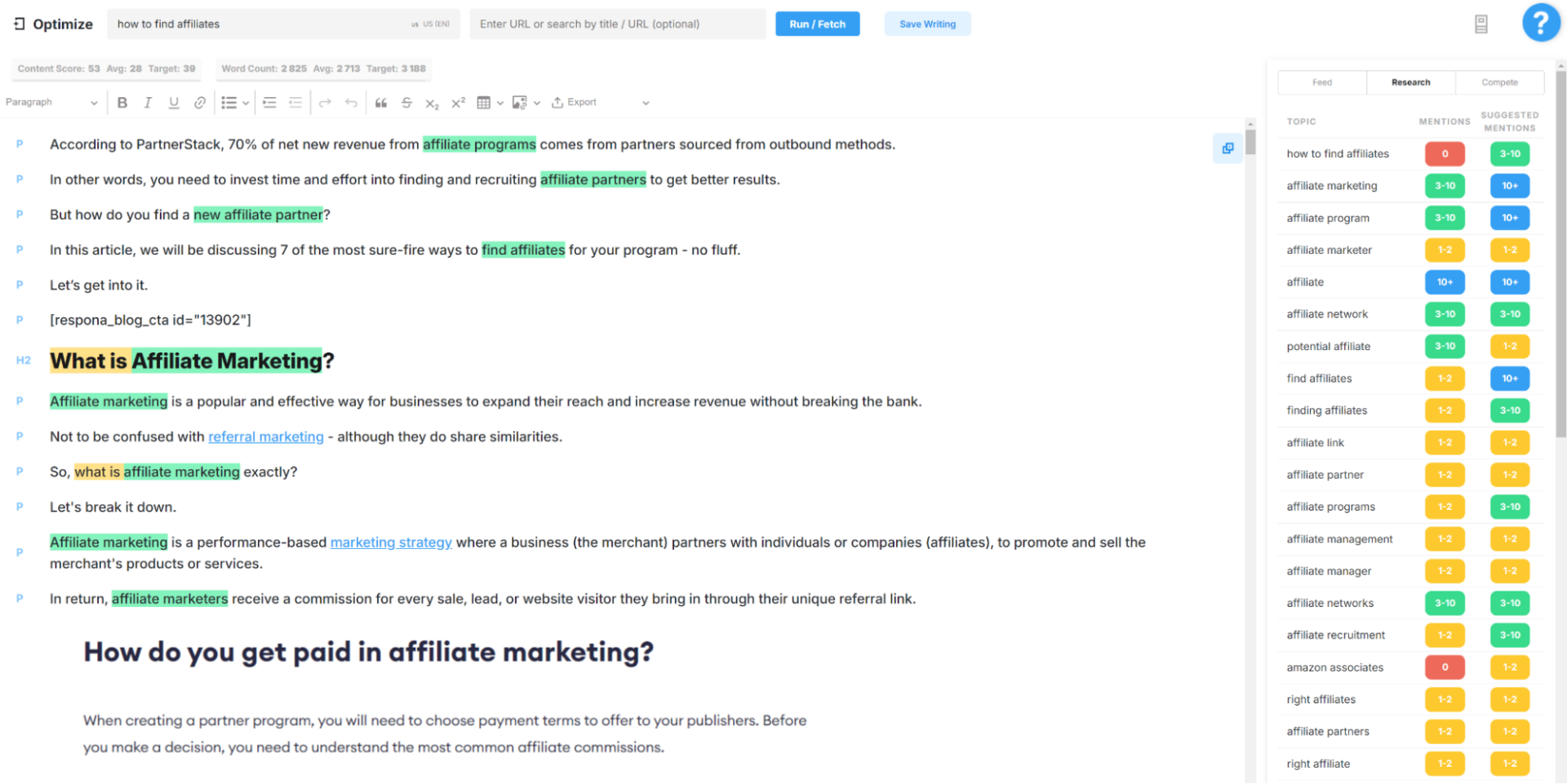
Instead of guessing, you can see exactly what terms are missing, what you’ve overused, and whether you’re naturally covering the topic.
I’ll run the content through one of those tools, make small adjustments, and stop there. If the page reads clean and answers the query properly, I’m done.
Exact Match Link Anchors Every Time
Using exact match anchors on every link is one of the easiest ways to make your link profile look unnatural.
I get why people do it. It feels logical. If the page is trying to rank for “email outreach templates,” then every link should say “email outreach templates,” right?
Not really.
Partial match anchors are completely fine, and honestly, they’re usually better. They read more naturally, and they help you rank for more variations, including long tail keywords.
If you think about it, you don’t only want to rank for one exact keyword anyway. You want to rank for the entire cluster around it.
So instead of forcing the same anchor text every time, I mix it up with things like:
- partial matches
- branded anchors
- natural phrases that fit the sentence
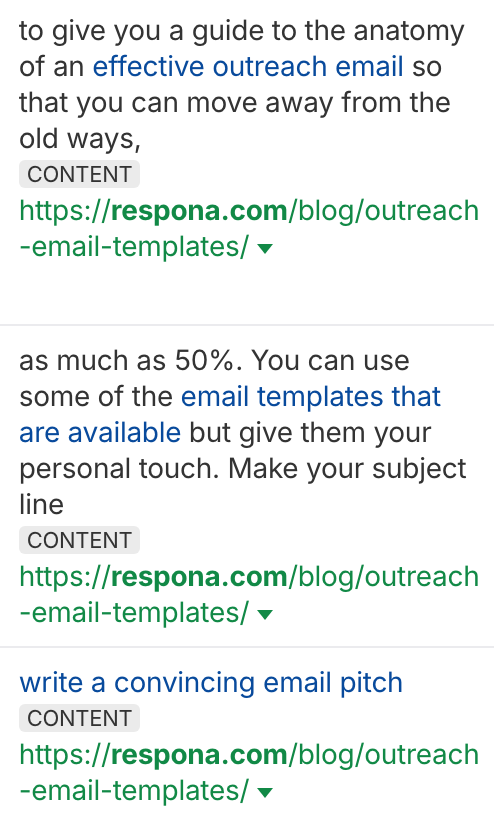
The page still gets the signal, but it doesn’t look manufactured.
And you often end up improving your search engine rankings for more than just the one target keyword because the anchors widen the semantic coverage.
Spammy Link Building
Spammy link building is the fastest way to waste money and end up with backlinks that don’t do anything.
The most common version of this is getting links from pages with zero organic traffic. Sites nobody reads, pages that don’t rank for anything, and posts that exist for one reason: to sell links.
The second version is worse. Link farms. Networks. “Guest post sites” that publish anything for $50. They look fine at a glance, but they’re not real businesses, and Google’s algorithm has seen this pattern a million times.
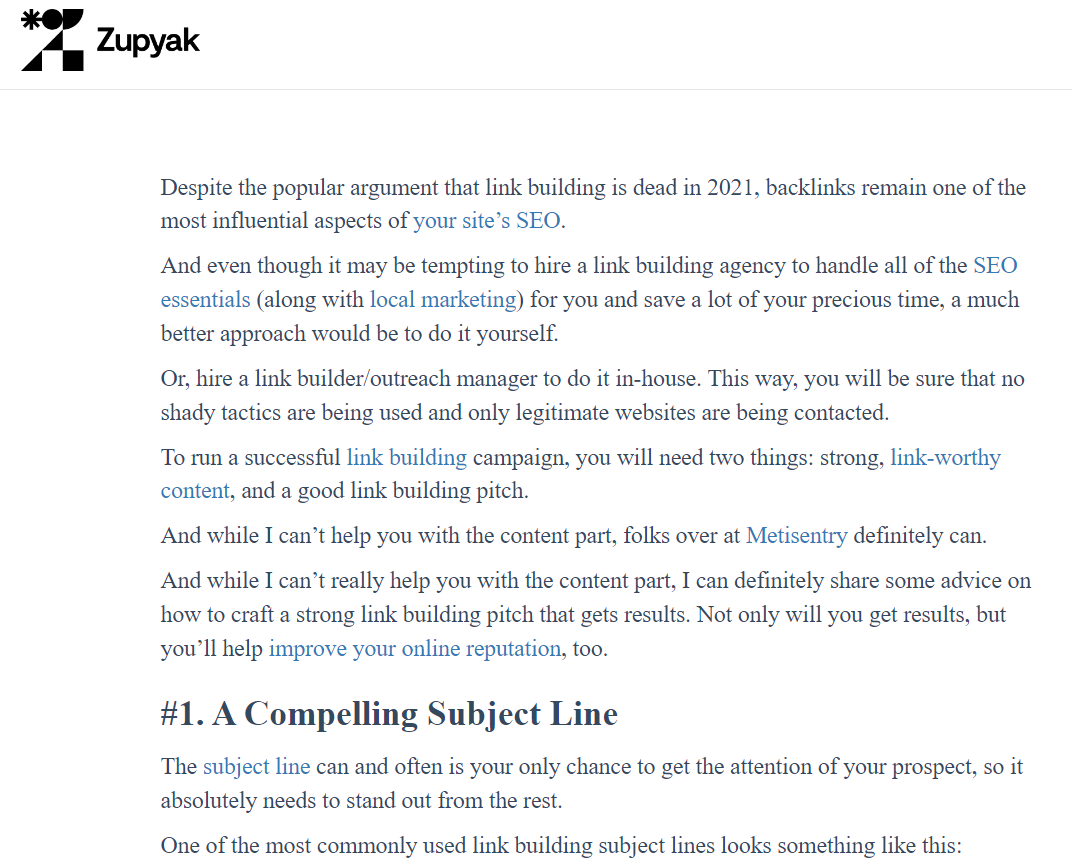
If I’m building links, I want them on real sites people actually visit. Real business blogs. Real publications.
Real industry pages. And, ideally, listicle placements that already get traffic, because those links don’t just help with rankings.
Like this one:
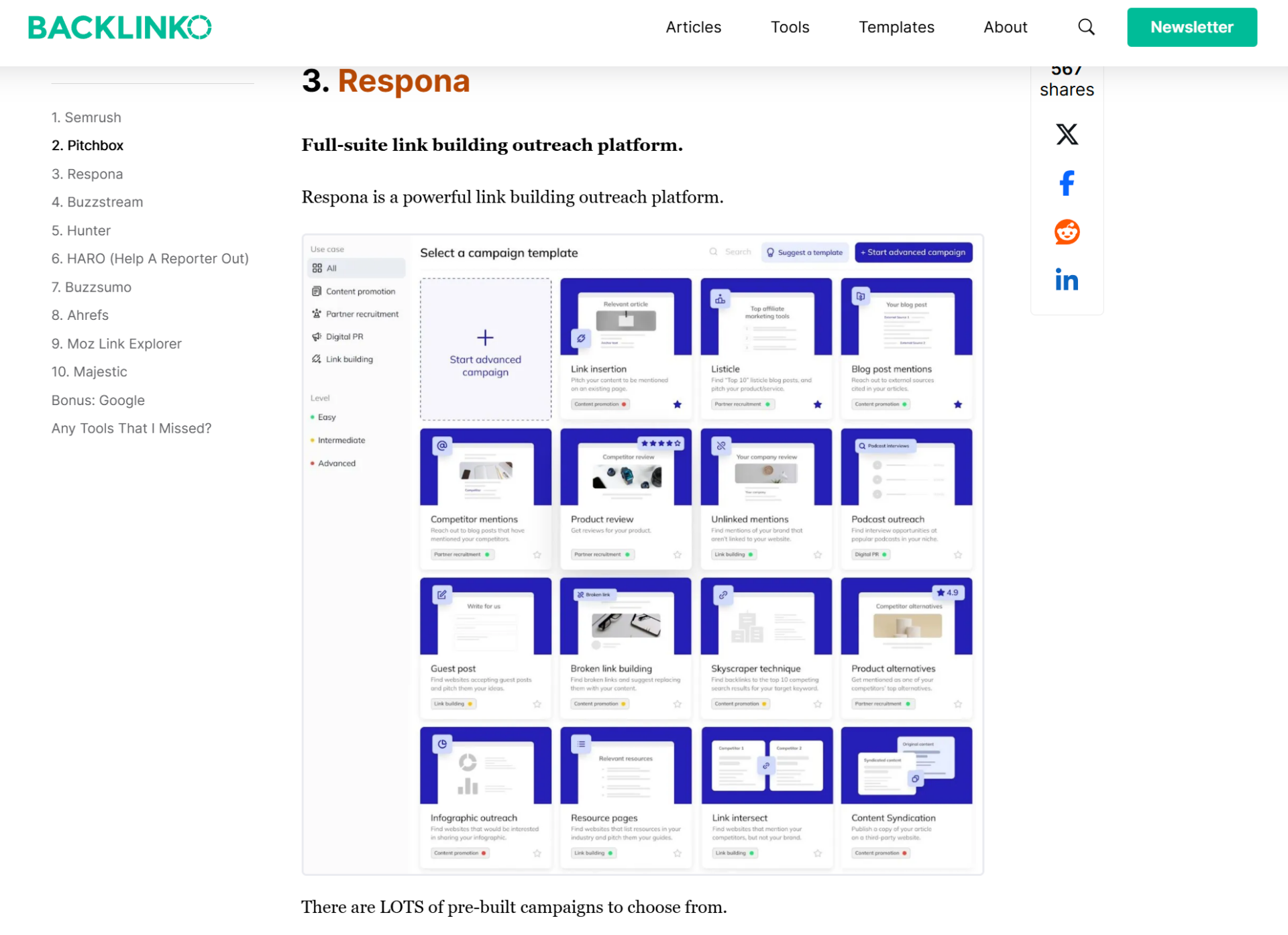
They can bring in visibility directly, and they’re also the kind of mentions AI platforms are more likely to pick up.
That’s exactly what we focus on.
If you want links that actually move the needle, sign up for our done-for-you link building and we’ll handle the placements for you.
Content That Serves No Purpose Besides Covering a Keyword
This is one of the most common optimization traps, especially when you’re scaling up your content creation.
You find a keyword, you write a page for it, and the entire purpose of the page is “exist so we can rank.”
Not to help the reader. Not to answer something properly. Just to cover the term.
That creates thin content.

The page ends up being 800 words of generic explanations, no real examples, no unique point of view, and nothing that makes it the best result. It’s technically optimized, but it’s not useful.
And it often leads to duplicate content issues and cannibalization.
Instead of one strong page ranking well, you end up with multiple similar pages targeting slight keyword variations. They compete with each other in the search results, rankings bounce around, and none of them reach their full potential.
Building Links to Pages That Already Perform
More links are not always the answer.
If a page is already ranking well, dumping more and more links into it usually has diminishing returns. You might see a small lift, but you’re often spending effort where it matters least.
A better use of links is pushing pages that are close, and making sure your internal links are pointing to them to support them.
If something is sitting on page 2, that’s where links can make a real difference. Those pages already have relevance, they’re already in the conversation, they just need a shove to break into the top 10.
So instead of over-investing in your winners, I like spreading links toward the pages that are almost winning. That’s how you grow overall visibility faster.
Spending Too Much Time on Meta Titles and Descriptions
Meta titles and descriptions matter, but they’re not where I want to burn hours. These are part of the technical SEO basics: get them right once, then move on.
I’ve seen people rewrite the same meta tag twenty times like it’s going to unlock rankings. Most of the time, it doesn’t. If the page isn’t ranking, it’s usually not because the meta description wasn’t “catchy” enough.
My rule is simple: be straightforward.
Include the target keyword once, make it clear what the page is about, and write it like a normal person would want to click it. That’s it.
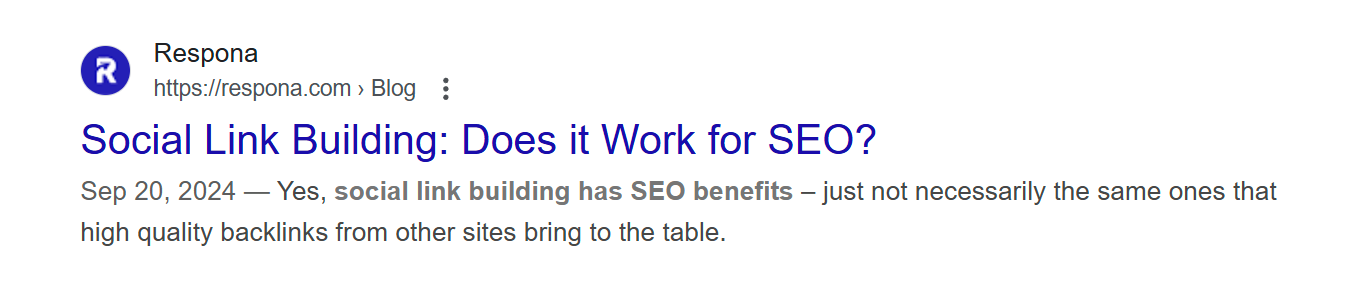
Same goes for URLs. I don’t try to be clever. I keep them short, readable, and include the keyword once. No stuffing, no weird formatting, no turning it into a sentence.
If you want to optimize something, optimize the content and the links. That’s where the real movement comes from.
Writing for AI Over People
AI Overviews are real, and yes, it’s smart to make your content easy to extract.
The funny part is that this usually backfires.
It’s easy to fall into the trap of rewriting entire articles like you’re trying to win a snippet instead of help a reader. Everything becomes short, robotic, and overly structured. The page ends up feeling like a collection of answers, not something a human would actually enjoy reading.
That’s a user experience problem as much as it is a content problem.
If you over-optimize for AI, you often remove the exact things that make content rank in the first place: clarity, examples, opinions, and actual usefulness.
That’s why algorithm changes in this space keep pushing toward authenticity. Machine learning models favor pages that genuinely serve the reader, not pages that just look optimized on the surface.
What I do instead is simple. I keep the article written for people, and I add a few AI-friendly blocks where it makes sense. Short definitions after headings. Clean lists. Direct answers when the query calls for it.
Link building cheat sheet
Gain access to the 3-step strategy we use to earn over 86 high-quality backlinks each month.
Now Over To You
Most optimization mistakes aren’t dangerous. They’re just distracting.
They keep you busy tweaking things that don’t matter, while the pages that could be ranking higher stay stuck. A solid SEO strategy isn’t about optimizing everything. It’s about doing the few things that actually move the needle and stopping there. That’s real efficiency.
And if you want the fastest, most reliable lever for pushing pages up, it’s still links.
If you’re tired of guessing and want real placements that help your content climb, sign up for our done-for-you link building, and we’ll handle it for you.
Frequently Asked Questions (FAQ)
What is SEO over-optimization?
It’s when you push optimization so far that it starts hurting readability, intent match, or overall performance. It’s usually not a penalty situation. It’s just wasted effort and worse content. A quick site audit can reveal where you’re overdoing it.
Can This Actually Hurt Rankings?
Sometimes, but it’s rare. The bigger risk is taking a page that already ranks and “optimizing” it into something worse, which can drop positions. Premature optimization of content that’s already performing is one of the most common mistakes SEO specialists make.
Is This Kind of Mistake Still a Problem in 2026?
Yes, just in a more subtle form. People don’t always repeat the exact same phrase, but they force awkward variations into sentences and headings until the page reads unnatural.
Running your content through Google Search Console and a tool like SurferSEO can help you spot these issues before they compound.
What’s the safest way to optimize without overdoing it?
Optimize for clarity first, then use tools like SurferSEO or MarketMuse to spot gaps instead of guessing. Focus on producing relevant content that genuinely answers what people are searching for. If the page reads well and matches intent, stop tweaking.
How do I know if I’m building spammy links?
If the linking site has no real traffic, no real audience, and exists mostly to publish paid posts, it’s probably not worth it. Prioritize links and listicle placements on real sites people actually visit. This is a core part of any digital marketing strategy that wants to build lasting search engine optimization results.