
SEO automation matters a lot more now because modern SEO involves an absurd amount of repetitive work once a site starts scaling.
Keyword research, technical SEO audits, internal linking, reporting, search console analysis, outreach, content optimization, there are dozens of moving parts across a single SEO workflow.
A lot of these SEO tasks are not necessarily difficult. They just become incredibly time-consuming when handled manually across hundreds or thousands of pages.
That’s also why newer automation tools are getting much more specialized.
Some focus heavily on technical SEO and automated site audits.
Others help with content creation, keyword clustering, internal links, outreach automation, or AI-assisted content optimization.
And recently, more SEO automation platforms have started blending AI workflows directly into their automation systems too.
In this guide, we’ll go through 20 SEO automation tools actually worth using in 2026.
Not just the giant SEO tools everybody already knows about, but platforms that genuinely help automate SEO tasks, simplify workflows, and save time across day-to-day SEO operations.
Key Takeaways:
- SEO automation tools help reduce repetitive manual work across keyword research, technical SEO, reporting, outreach, and content optimization.
- The best SEO automation tools do not replace strategy. They help teams execute SEO tasks much faster and more efficiently.
- Modern automation tools now cover everything from internal linking and technical audits to AI-assisted content creation and AI visibility tracking.
- Automated SEO works best when combined with strong human oversight, good content, and a clear SEO strategy.
- In 2026, SEO automation is shifting heavily toward AI-assisted workflows instead of purely rule-based automation software.

Link building cheat sheet
Gain access to the 3-step strategy we use to earn over 86 high-quality backlinks each month.
Respona
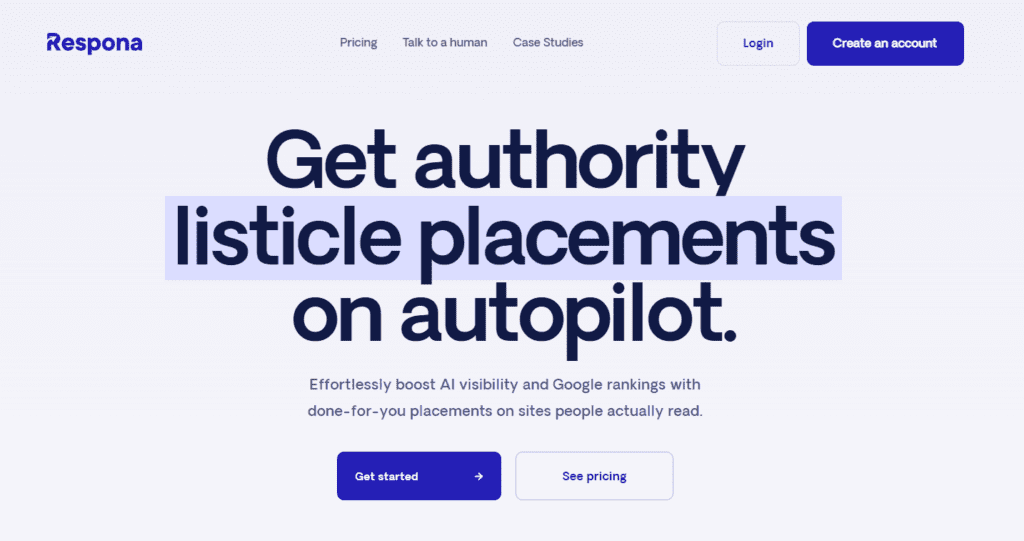
Respona stands out from most SEO automation tools by focusing on execution, not just analysis.
A lot of SEO tools help with keyword research, technical SEO, reporting, search console analysis, or content optimization.
Respona helps turn those insights into actual placements through fully managed outreach and link building.
Instead of stopping at analytics and recommendations, the platform connects your SEO workflow directly to placements on content already performing well in search results.
What sets Respona apart
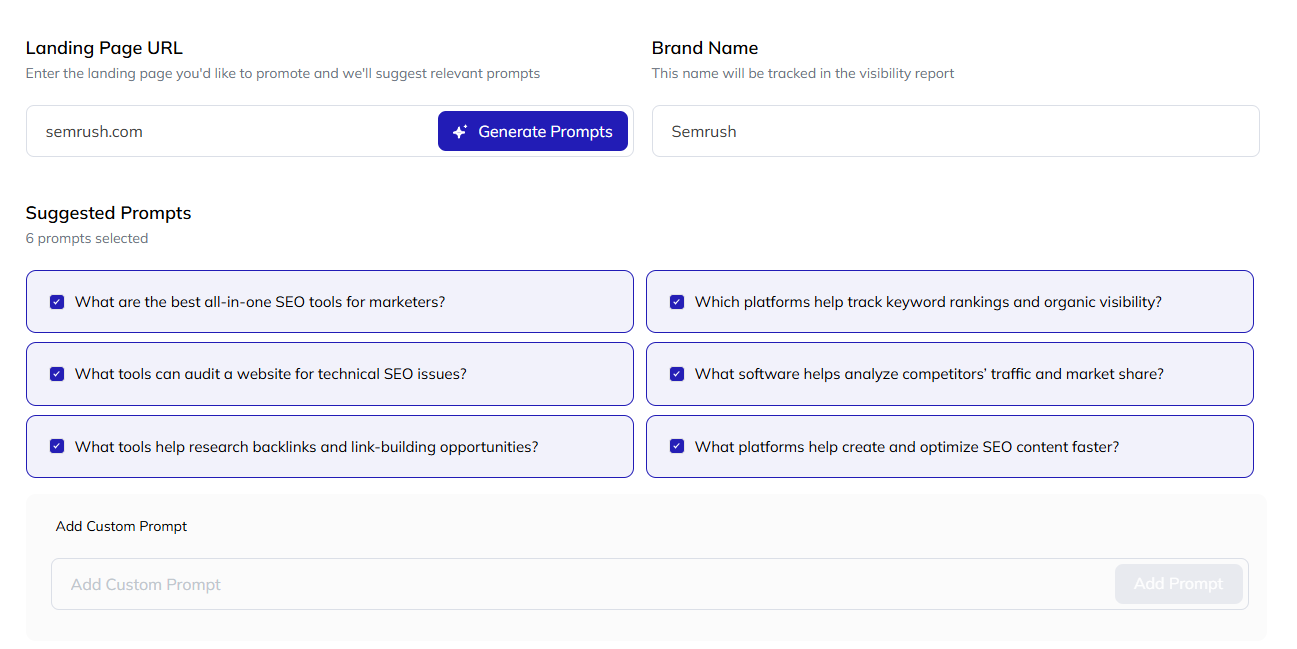
One of Respona’s biggest advantages is the Campaigns feature.
You enter the keywords and prompts you care about, and the platform identifies the exact pages already ranking in Google and already appearing inside AI-generated answers and AI Overviews for those searches.
From there, the tool analyzes which articles are actively driving visibility and secures placements on content that already has authority and existing traffic.
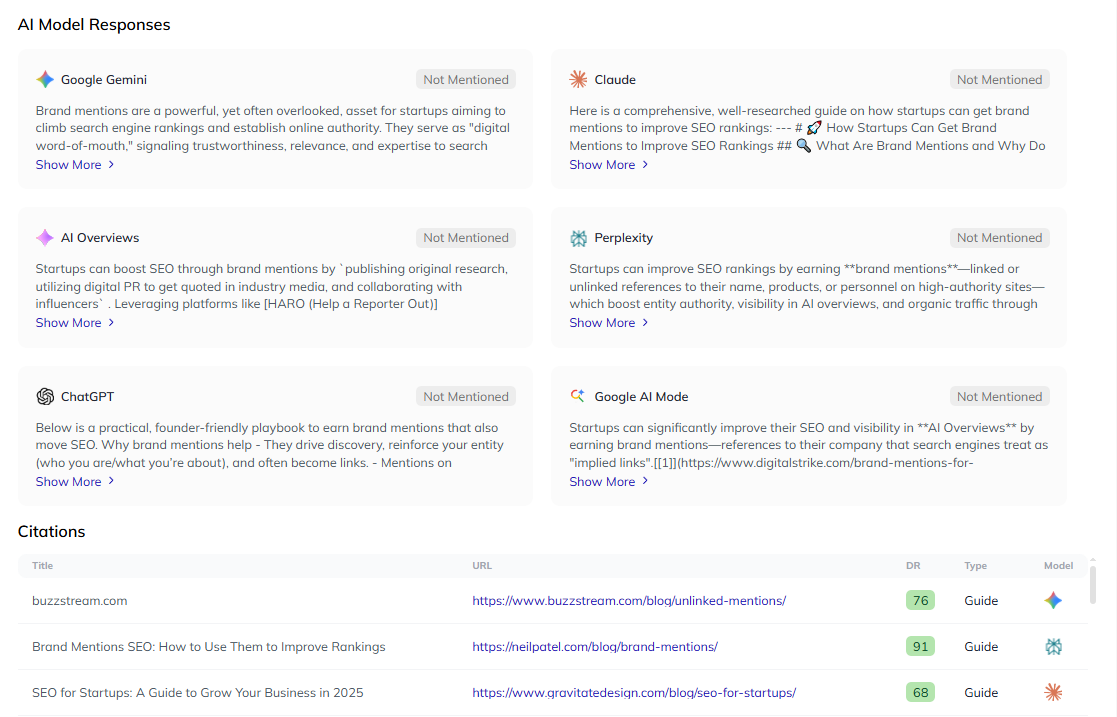
So you are not just relying on keyword research or search volume estimates.
You are getting placements on pages where visibility already exists.
You simply define your goals, review opportunities directly inside the platform, and place an order.
From there, the team handles the prospecting, outreach, negotiations, relationship building, and placements for you.
You just pay for results and monitor your visibility improve over time.
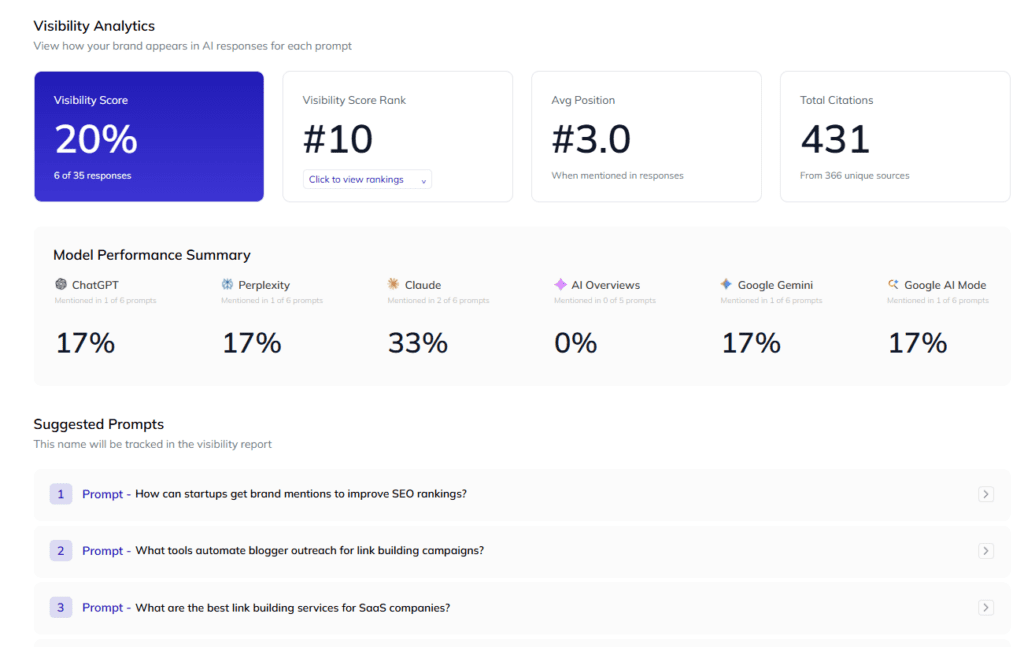
Built for modern SEO workflows
Modern SEO involves much more than rankings alone.
Teams now have to manage:
- content creation
- outreach
- AI visibility
- brand mentions
- technical SEO
- reporting
- placements across authoritative websites
Respona fits into that workflow by helping automate the outreach and execution side of SEO campaigns without forcing teams to manage the operational side themselves.
Instead of juggling multiple automation tools for prospecting, follow-ups, and campaign management, you get a much more streamlined workflow centered around actual execution.
Why marketers choose Respona
- Fully managed link building with no manual outreach required
- Placements on content already ranking in search engines
- Campaigns built around real keyword performance and AI visibility
- Supports SEO, content marketing, and broader digital marketing workflows
- Clear visibility into opportunities and placements before campaigns launch
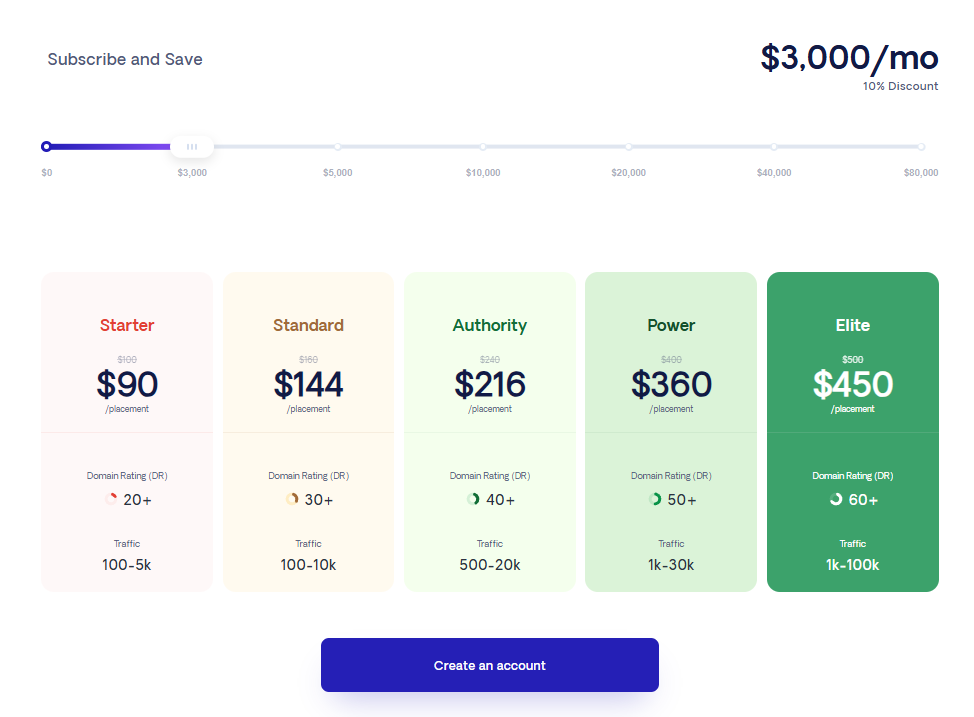
Pricing: starts at $100/placement, with bulk discounts.
Linkee
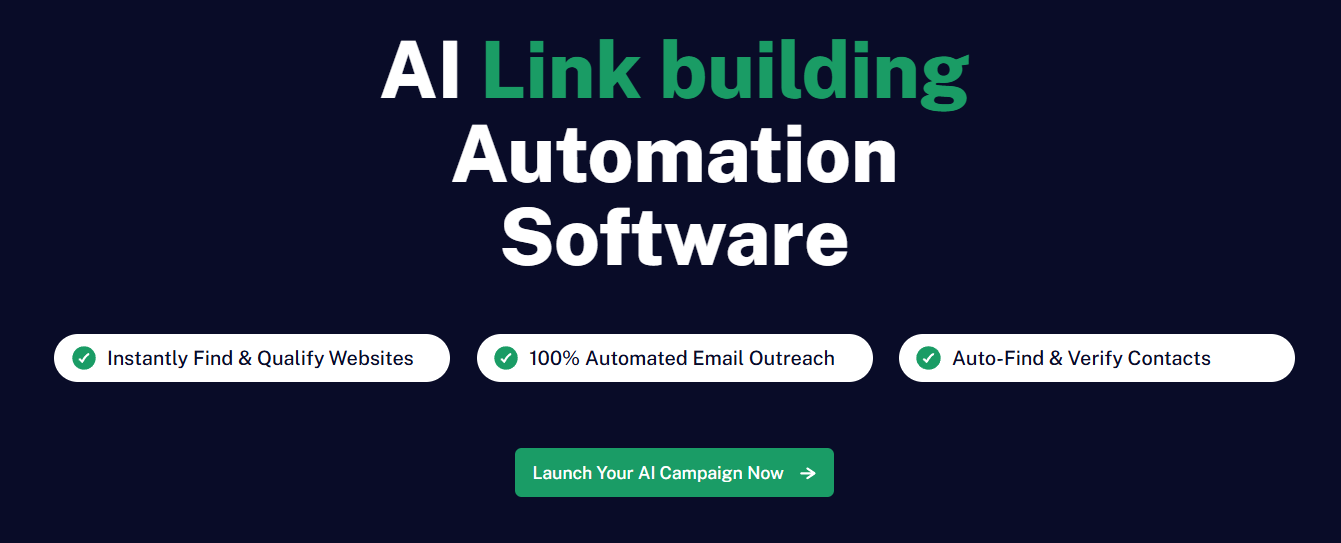
Linkee is a lightweight SEO automation tool focused mostly on outreach prospecting and link opportunity discovery.
The platform helps automate a lot of the repetitive SEO tasks involved in manual link building campaigns, especially when you are sorting through large search results looking for relevant placement opportunities.
It is not trying to be an all-in-one SEO automation platform.
Instead, it focuses specifically on simplifying prospecting workflows and helping teams move through outreach campaigns much faster.
That makes it useful for SEO agencies, freelancers, and in-house teams running high-volume outreach campaigns where manually qualifying websites becomes a bottleneck pretty quickly.
LinkBoss
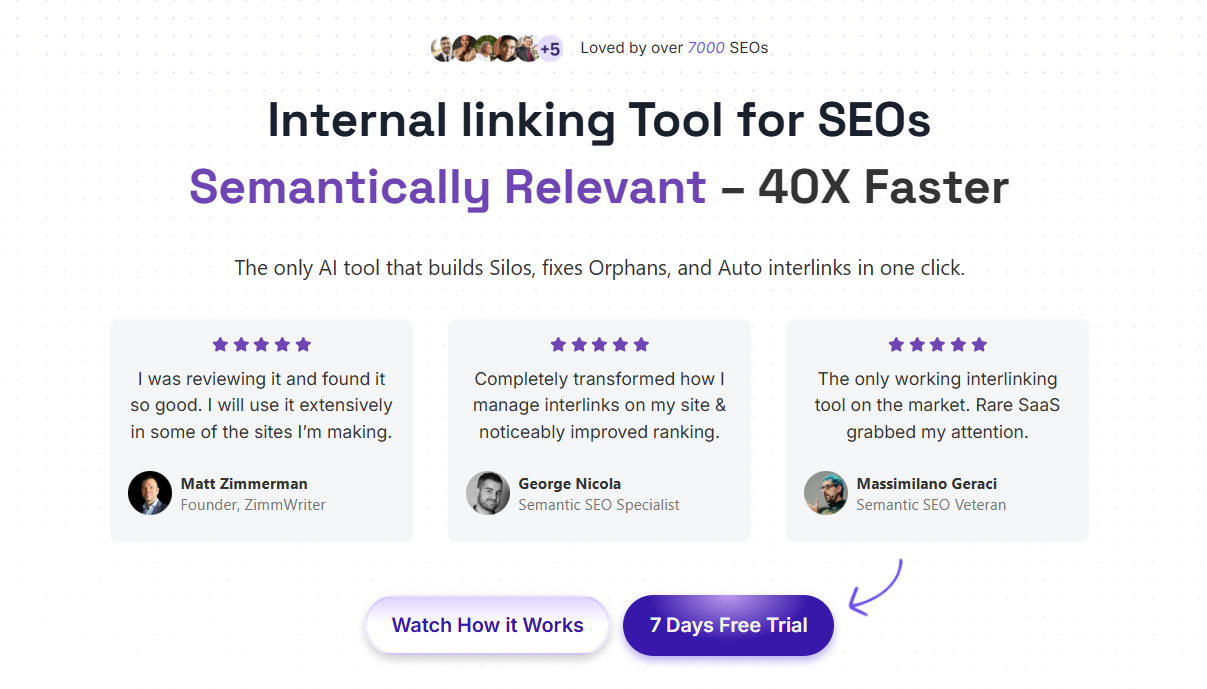
LinkBoss focuses heavily on internal linking automation.
And honestly, this is one of the SEO tasks most people massively underestimate once websites start scaling.
Manually managing internal links across hundreds or thousands of pages becomes almost impossible without some type of automation software helping organize the workflow.
LinkBoss analyzes your content, keyword relationships, and existing site structure to recommend internal linking opportunities automatically.
It is especially useful for larger sites running programmatic SEO campaigns or publishing content at scale where internal link optimization becomes difficult to manage manually.
The platform will not replace a full SEO strategy on its own, but it can remove a huge amount of repetitive work from technical SEO workflows.
Ontolo
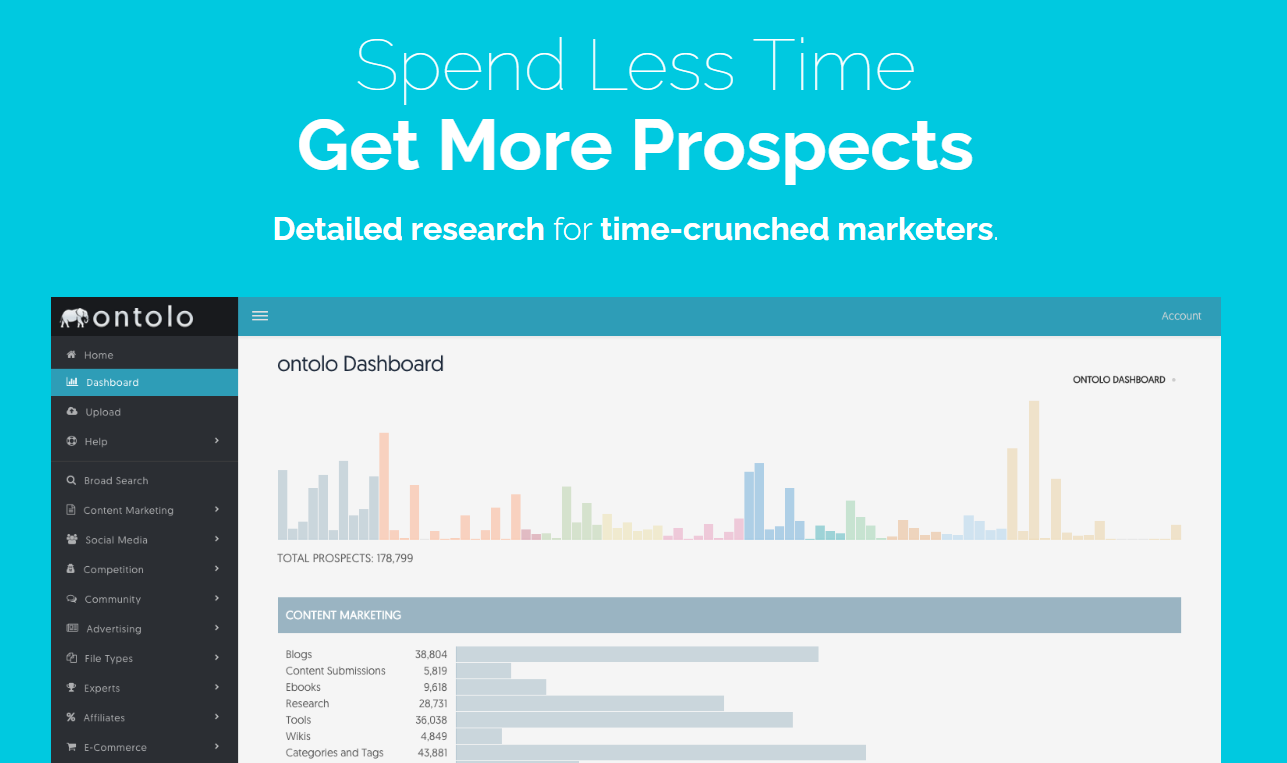
Ontolo has been around for a long time, but it is still one of the more powerful automation tools for advanced link prospecting.
The platform essentially acts like a massive prospecting engine that pulls together link opportunities, outreach targets, and searchable prospect databases from across the web.
Compared to newer SEO tools, Ontolo definitely feels more technical and less polished visually.
But for SEO specialists doing heavy outreach, it is still extremely useful because of how much prospecting data it can surface automatically.
If your SEO workflow involves a lot of manual prospecting and search engine research, Ontolo can save an absurd amount of time.
Linkody
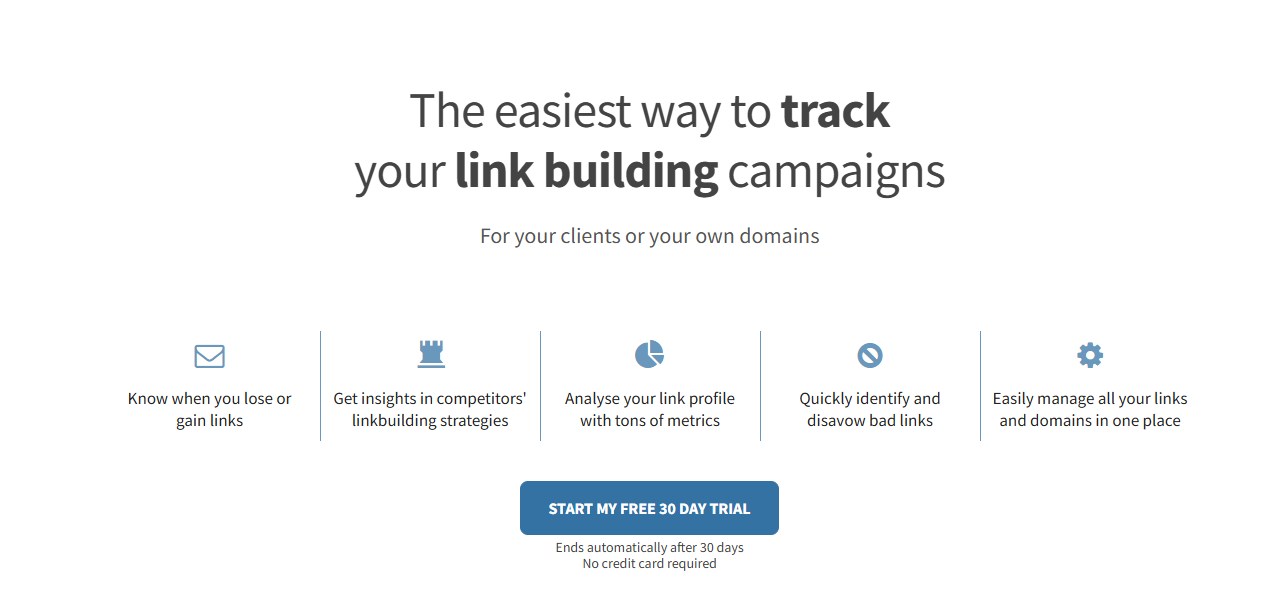
Linkody is one of the simpler SEO tools on this list, but that is also part of the appeal.
The platform focuses mostly on backlink monitoring, SEO performance tracking, and basic SEO audit functionality without becoming overly complicated.
You can track backlinks, monitor referring domains, spot lost links, and connect Google Search Console data directly into the platform.
For smaller teams that do not need massive enterprise-level automation tools, Linkody gives you a much cleaner way to monitor backlink health and search results without a huge learning curve.
It is especially useful for keeping an eye on ongoing SEO campaigns without constantly bouncing between different reporting dashboards.
Alli AI
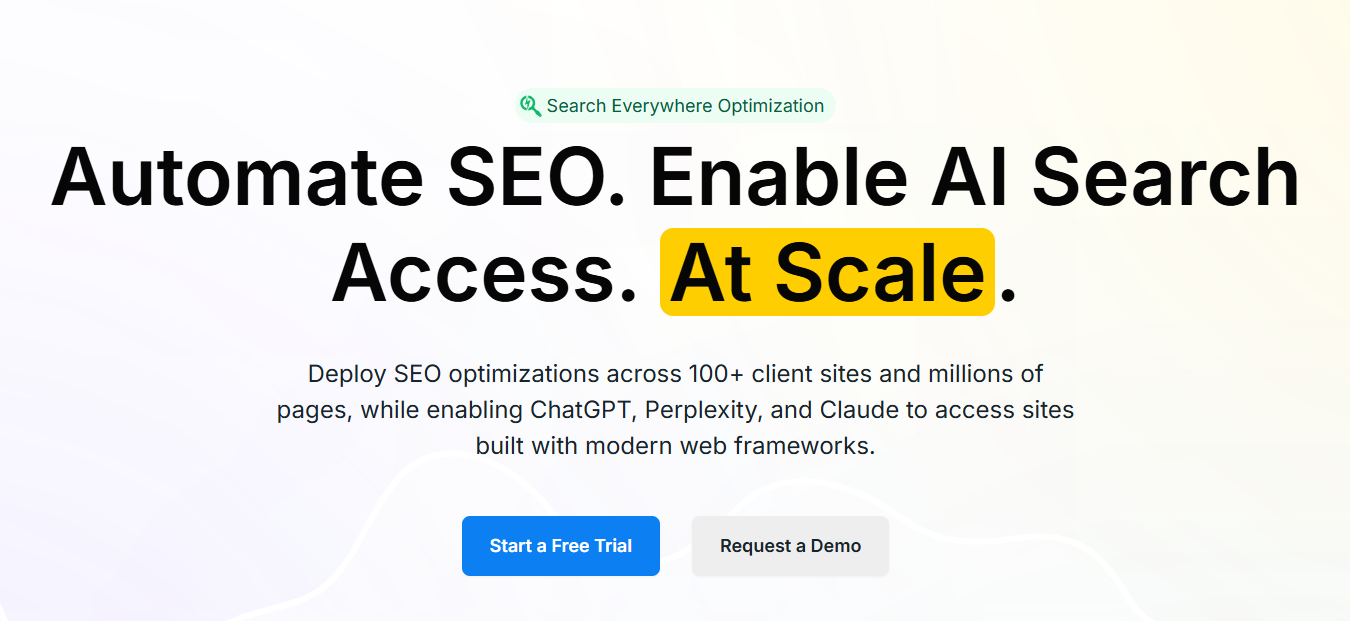
Alli AI is one of the more interesting AI SEO tool platforms right now because it focuses heavily on automating on-page SEO changes directly on the website itself.
Instead of just identifying SEO issues, the platform helps deploy updates across pages automatically.
That includes things like:
- title updates
- schema changes
- internal links
- content optimization recommendations
- technical SEO adjustments
This type of automated SEO software becomes much more useful on large websites where manually pushing SEO changes through developers can slow down the entire workflow.
It is definitely more geared toward teams handling larger-scale SEO operations rather than smaller sites with only a handful of pages.
SEOTesting
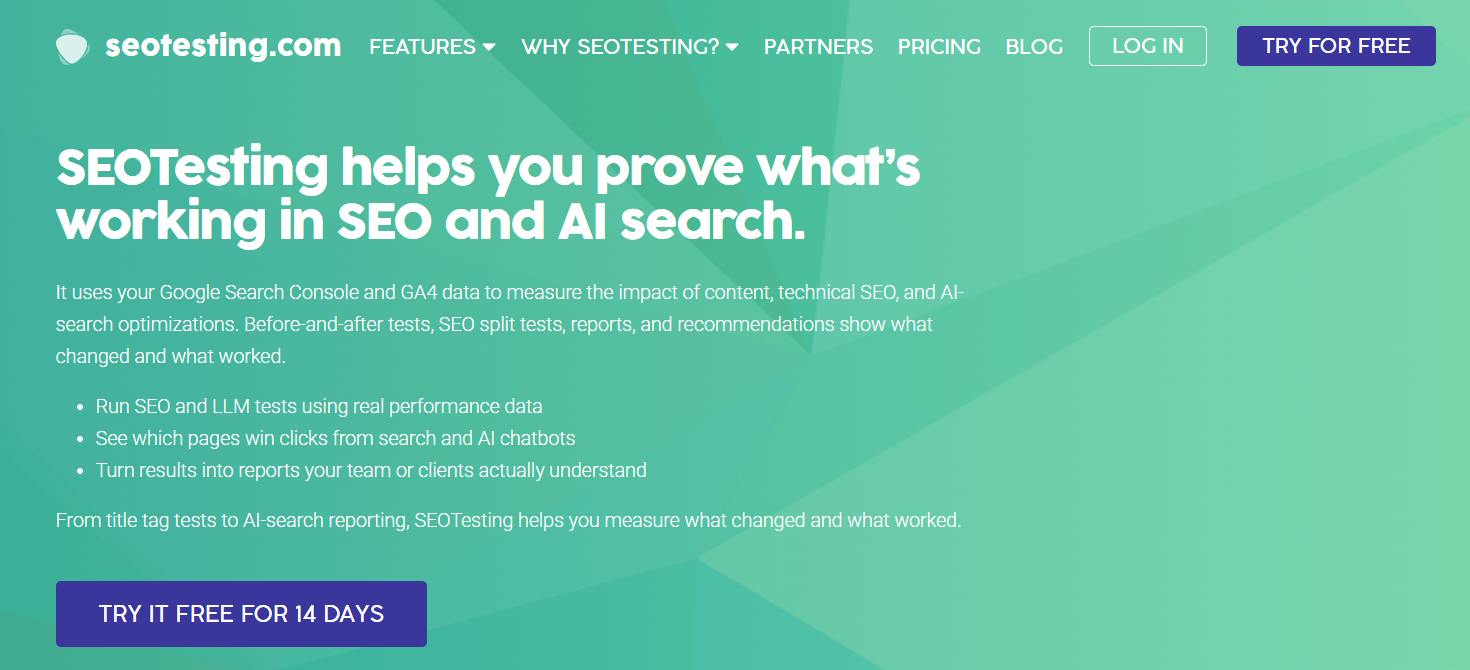
SEOTesting is built around Google Search Console data.
The platform helps analyze search console trends, compare SEO changes over time, and measure how different updates affect search results and SEO performance.
One of the more useful parts of the tool is how it structures SEO testing workflows.
Instead of making random optimization changes and hoping rankings improve, you can track specific updates against actual Google Search Console and Google Analytics data to see what moved the needle.
For teams heavily focused on content optimization, SEOTesting makes ongoing search engine optimization experiments much easier to manage over time.
Content Harmony
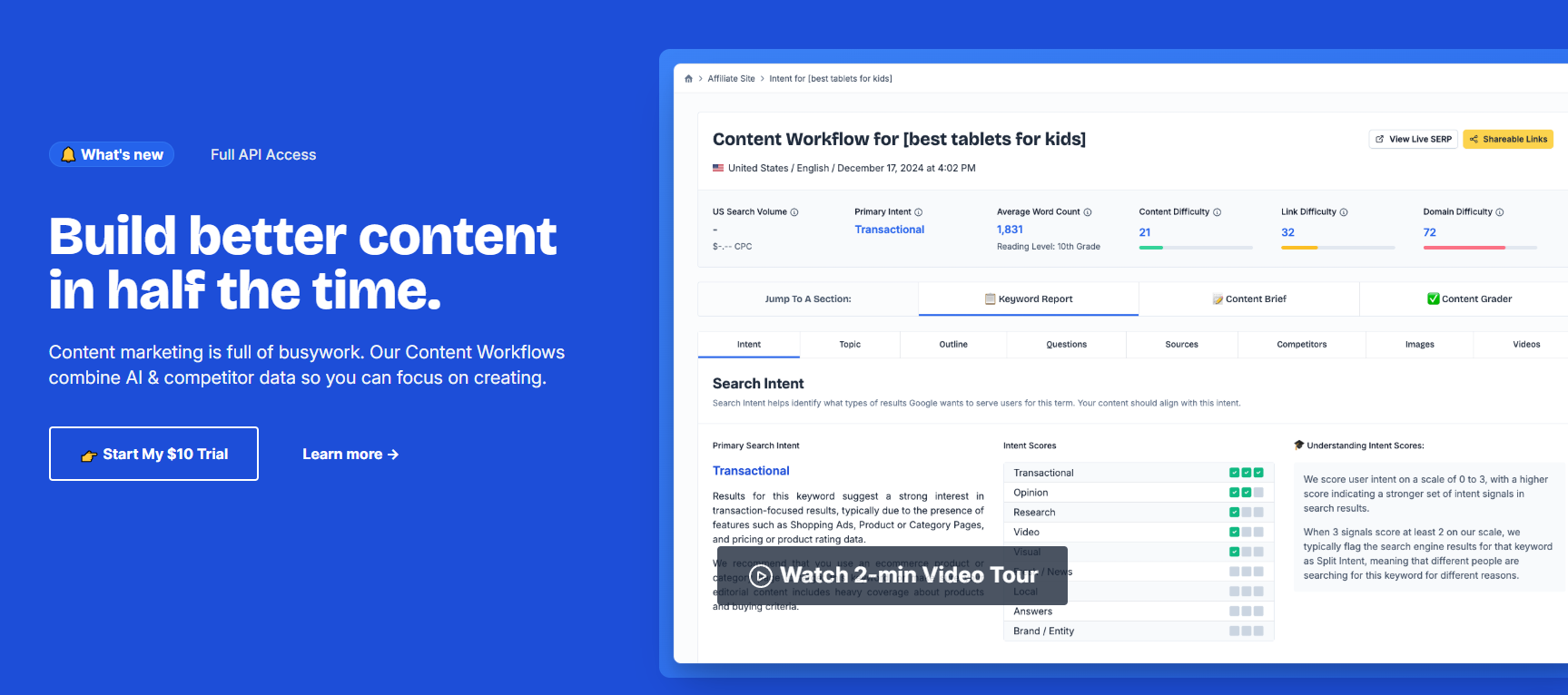
Content Harmony is built mostly around content planning and content optimization.
The platform helps automate a big part of the research workflow by pulling together keyword data, search intent analysis, SERP research, competitor outlines, and content brief generation into one place.
That becomes really useful once content creation starts scaling because manually building briefs for every article becomes incredibly repetitive.
Instead of spending hours jumping between SEO tools, search results, and keyword research platforms, Content Harmony organizes most of that workflow automatically.
It is especially useful for teams publishing a lot of long-form SEO content consistently.
Nightwatch
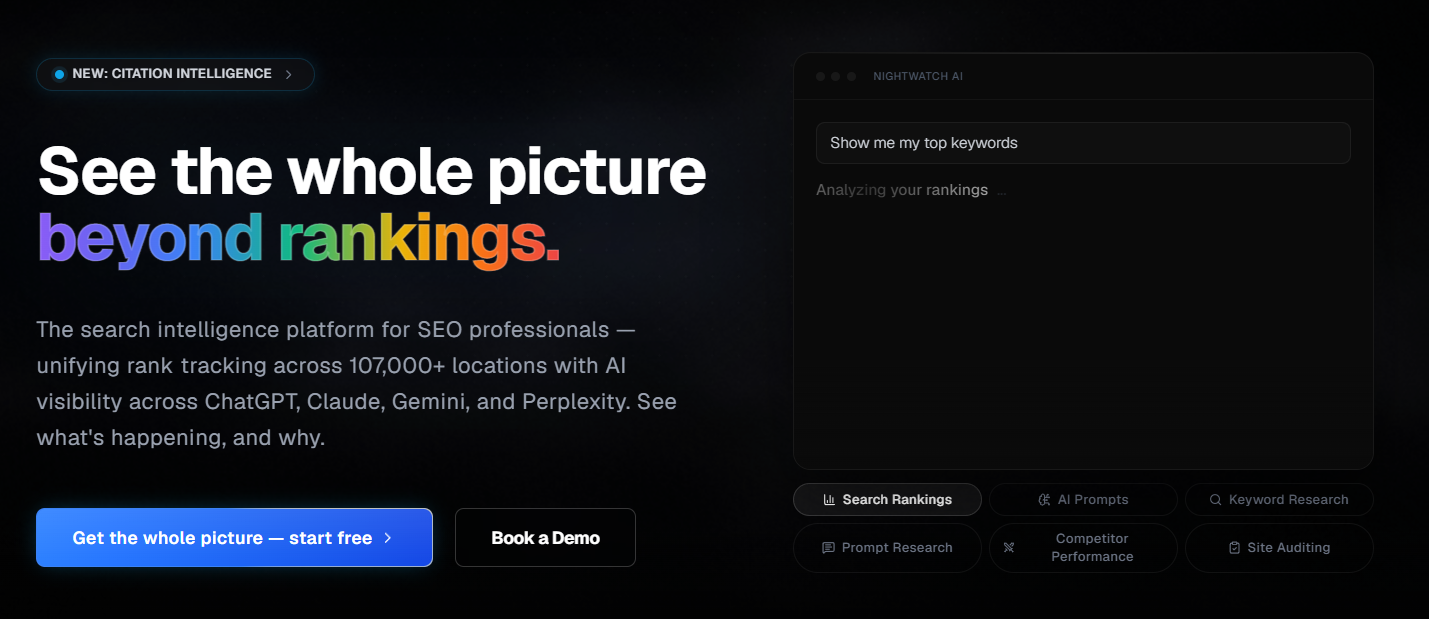
Nightwatch is one of the cleaner rank tracking tools available right now.
The platform focuses heavily on monitoring keyword rankings, local SEO visibility, and search results across multiple locations and devices.
One thing it does particularly well is tracking visibility changes over time without overcomplicating the reporting side.
For businesses managing local SEO campaigns or tracking Google Business Profile visibility, that becomes pretty valuable because rankings can shift a lot depending on location.
The reporting dashboards are also much easier to work with than a lot of older SEO automation tools that feel overloaded with unnecessary features.
Grepwords

Grepwords is mostly a keyword research and autocomplete mining tool.
It pulls keyword suggestions directly from search engines and autocomplete data sources, which makes it useful for finding long-tail keywords, question-based searches, and niche search intent variations people often miss in larger SEO tools.
It is not trying to replace a full SEO automation platform.
The value comes more from quickly generating large keyword datasets for content planning, Google Ads campaigns, topical clustering, and SEO research workflows.
Especially if you are building content hubs at scale, tools like this save a massive amount of manual research time.
Screpy

Screpy combines several technical SEO workflows into one monitoring dashboard.
The platform handles things like:
- site audit monitoring
- Pagespeed Insights analysis
- uptime tracking
- technical audit reporting
- SEO issues detection
A lot of technical SEO tools become overwhelming pretty quickly because they dump huge amounts of raw data on you.
Screpy is much more focused on simplifying the workflow and surfacing the issues that actually need attention first.
That makes it a solid automation tool for smaller teams that still need ongoing technical SEO monitoring without managing enterprise-level software.
Hexometer
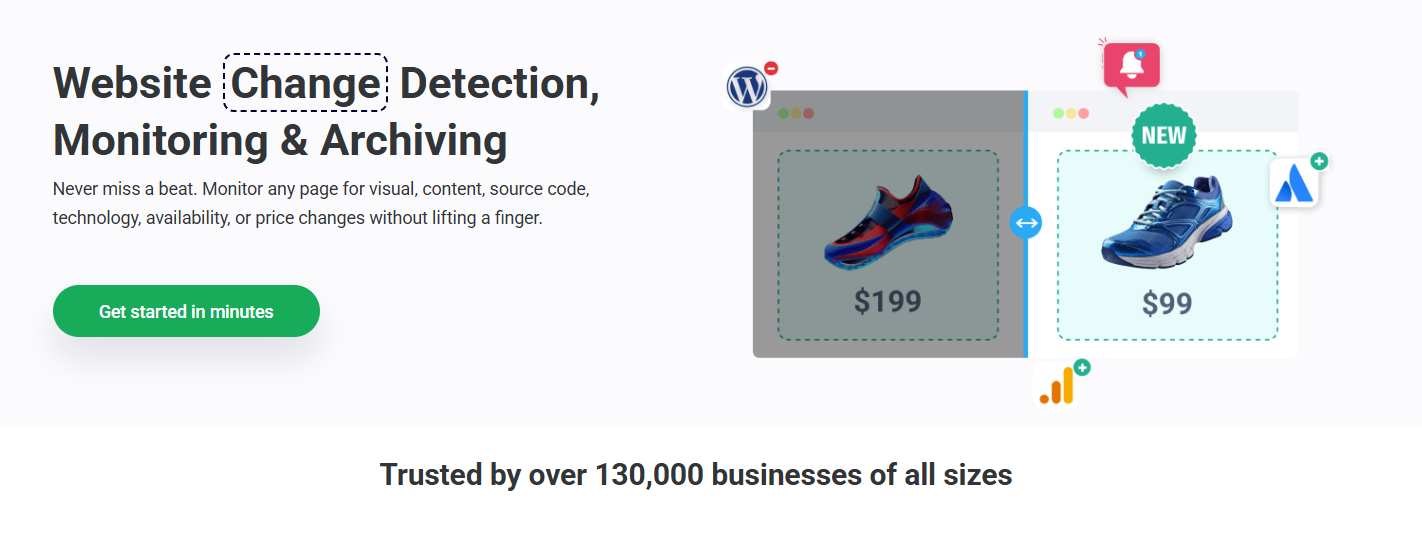
Hexometer focuses heavily on continuous website monitoring and automation.
Instead of running one-off audits occasionally, the platform constantly checks websites for technical SEO issues, broken pages, performance problems, uptime failures, indexing issues, and other technical problems that can quietly hurt SEO performance over time.
This becomes especially useful on larger websites where small technical problems can go unnoticed for weeks if nobody is actively monitoring them.
The platform also leans pretty heavily into automation alerts, so teams can catch problems early instead of discovering them after rankings start dropping.
NeuronWriter

NeuronWriter is an AI-assisted content optimization tool built around NLP analysis and SERP data.
The platform analyzes search results, competitor pages, keyword relationships, and topical coverage to help improve content optimization workflows.
Like most AI SEO tools, it works best as an assistant rather than a replacement for actual writing.
It is useful for identifying missing subtopics, improving topical coverage, and tightening on-page optimization without manually reviewing dozens of competing pages yourself.
For content teams publishing large amounts of SEO content, tools like NeuronWriter can speed up optimization quite a bit as long as somebody still reviews the output carefully before publishing.
Keyword Insights

Keyword Insights is built around keyword clustering and topical mapping.
Instead of manually sorting thousands of keywords into content groups yourself, the platform automatically organizes related search terms based on actual search results overlap.
That saves a huge amount of SEO effort once websites start scaling content production.
It is especially useful for planning topic clusters, avoiding keyword cannibalization, and building cleaner content structures around search intent instead of chasing isolated keywords one by one.
For teams doing large-scale content creation, this type of SEO automation becomes almost mandatory eventually.
WriterZen
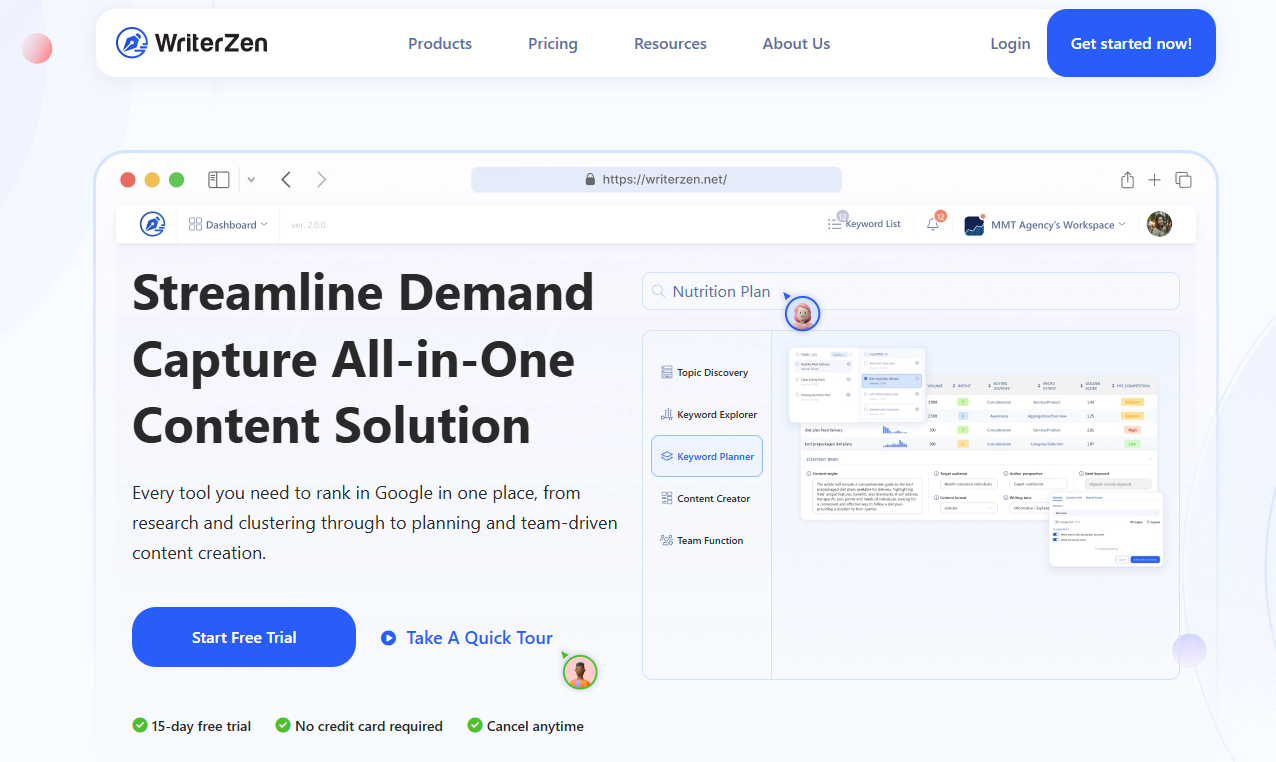
WriterZen combines keyword research, content optimization, and topic discovery into one workflow.
The platform is especially good at helping teams find low-competition keyword opportunities and organize content ideas around broader topical authority instead of individual keywords alone.
Compared to some heavier SEO tools, WriterZen feels much simpler to use, which honestly makes it easier for smaller teams and solo marketers to move quickly.
It also overlaps a bit with platforms like Search Atlas and other AI-assisted SEO tools focused on content planning and optimization.
ClusterAI
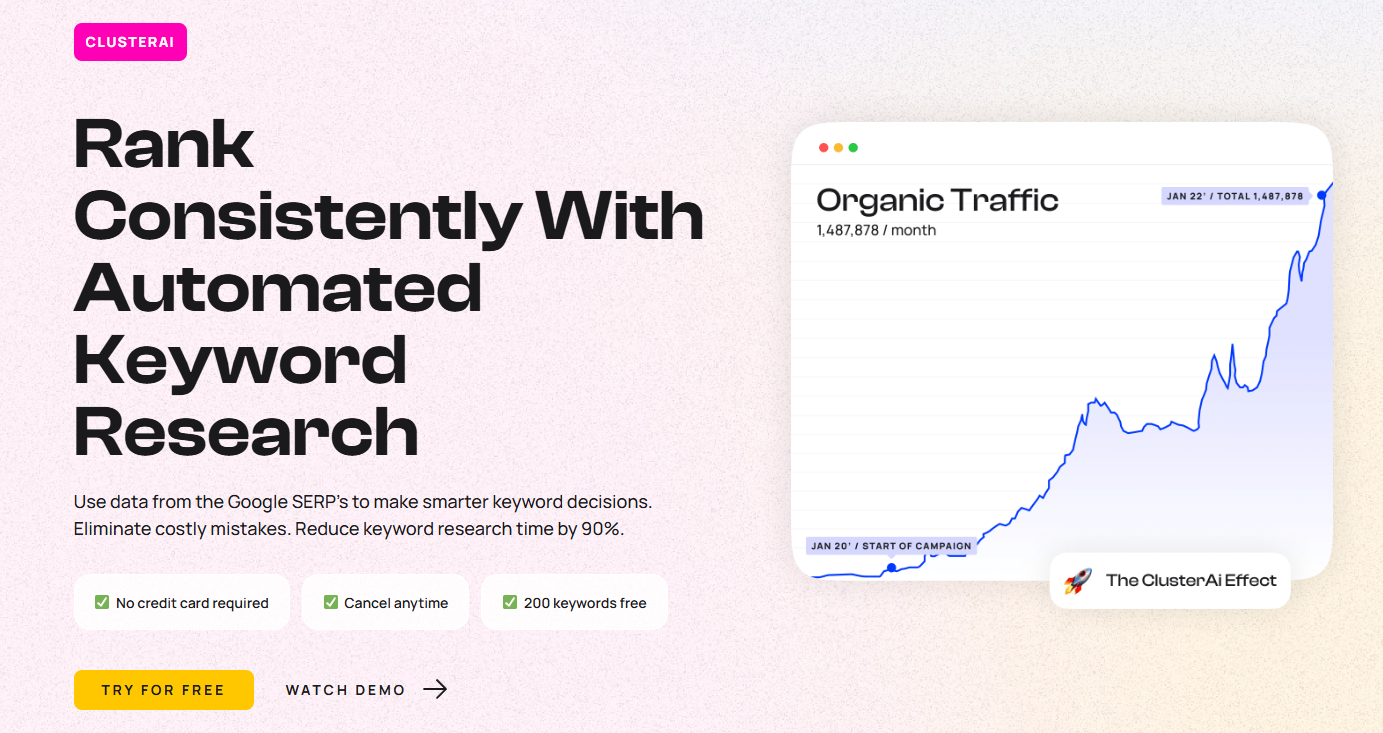
ClusterAI focuses heavily on automation around keyword grouping and topical clustering.
This becomes really useful for programmatic SEO workflows where manually organizing keyword relationships becomes impossible once datasets get large enough.
Instead of sorting everything manually inside spreadsheets or Google Sheets, the tool automatically groups related keywords based on search behavior and SERP similarity.
For SEO teams building large content hubs or scaling AI-assisted content workflows, that removes a huge amount of repetitive organizational work.
SiteGuru
SiteGuru is one of the more beginner-friendly technical SEO tools on this list.
The platform focuses mostly on simplifying site audits and surfacing SEO issues without overwhelming users with massive amounts of technical jargon.
It pulls together data from Google Search Console, crawls your website, and prioritizes problems based on what is actually likely to affect SEO performance.
That makes it especially useful for smaller businesses, content teams, and marketers who want actionable technical SEO recommendations without needing a dedicated SEO specialist for every issue.
Page Optimizer Pro
Page Optimizer Pro focuses heavily on on-page content optimization.
The platform analyzes top-ranking pages for a target keyword and compares your content against what is already performing well in search results.
That includes things like:
- keyword usage
- topical coverage
- heading structure
- content depth
- optimization gaps
Like most optimization tools though, it works best when used as guidance instead of blindly following every recommendation word-for-word.
Otherwise content starts sounding robotic pretty quickly.
For SEO specialists handling large-scale on-page optimization, it is still a very useful workflow tool.
Internal Link Juicer
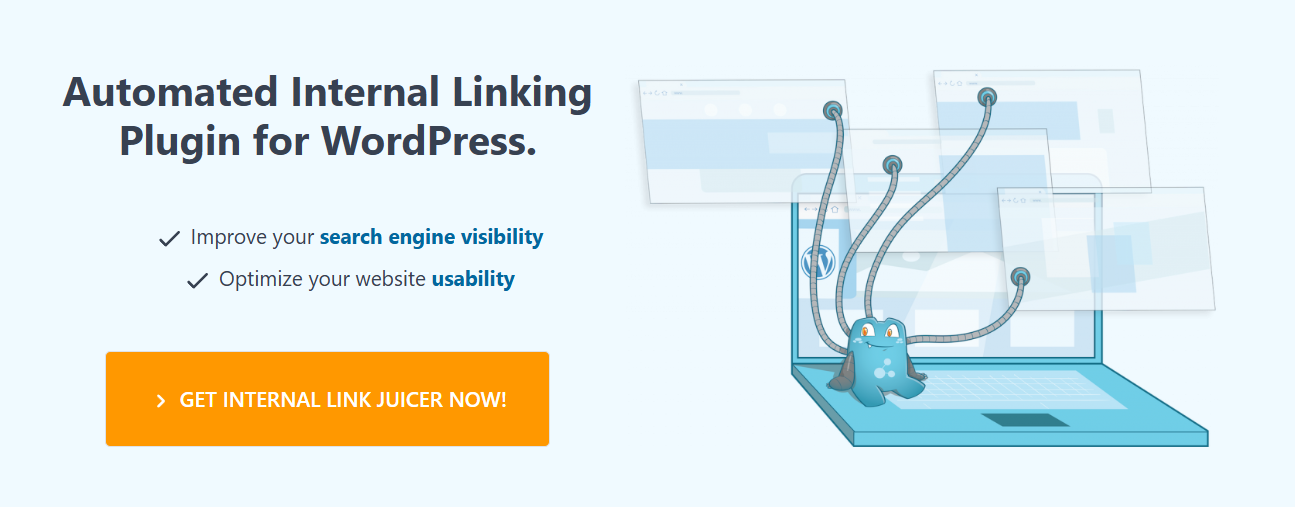
Internal Link Juicer does exactly what the name suggests.
It automates internal linking across WordPress websites by dynamically adding internal links based on predefined keywords and rules.
This solves one of the most repetitive SEO tasks for content-heavy websites.
Because once sites start publishing hundreds of pages, manually maintaining internal links becomes extremely difficult.
The tool is especially useful for larger blogs, niche sites, and automated SEO workflows where keeping pages interconnected matters for crawlability and rankings.
Rankability
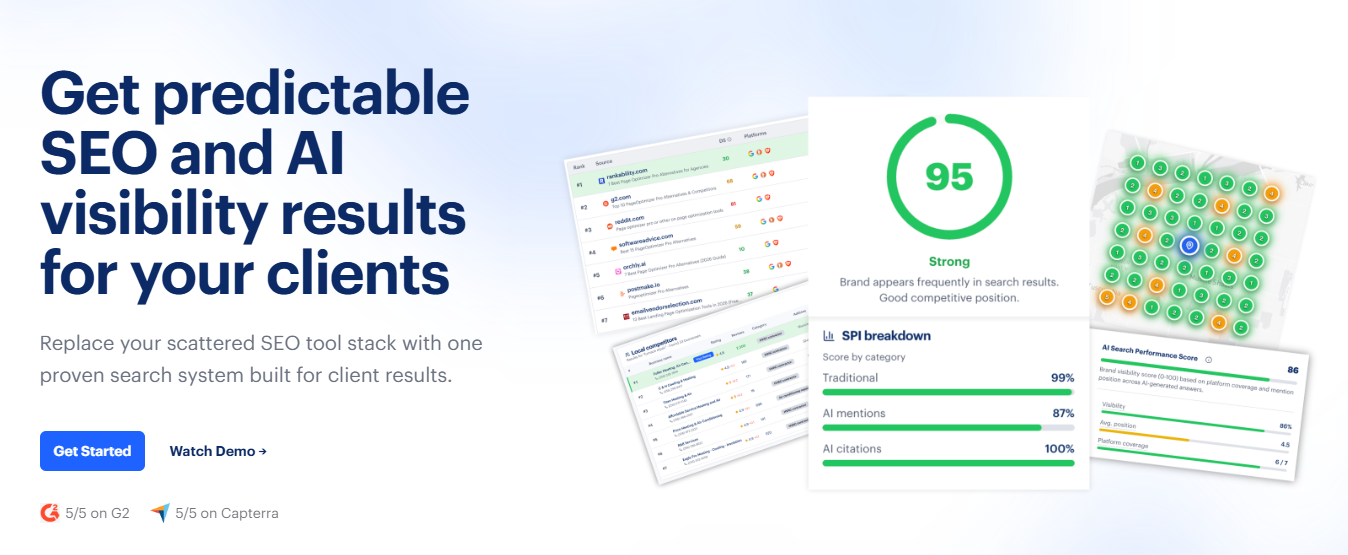
Rankability focuses heavily on AI-assisted content scoring and optimization.
The platform analyzes search results, content structure, topical coverage, and ranking patterns to help improve content creation workflows before pages go live.
Compared to traditional SEO automation software, Rankability leans more heavily into AI-assisted recommendations and predictive optimization rather than purely technical analysis.
It is particularly useful for SEO agencies and content teams trying to streamline optimization workflows without manually auditing every page themselves.
Link building cheat sheet
Gain access to the 3-step strategy we use to earn over 86 high-quality backlinks each month.
Now Over to You
SEO automation is not really about replacing strategy.
It is about removing the repetitive operational work that starts slowing teams down once websites, content, and SEO campaigns begin scaling.
Keyword research, technical audits, outreach, reporting, internal linking, content optimization, there are just too many moving parts now to manage everything manually forever.
That’s why the best SEO automation tools are the ones that actually simplify execution instead of just generating more dashboards nobody looks at.
And honestly, that becomes even more important now that AI-assisted workflows are getting integrated into modern SEO operations too.
If you want help automating the outreach and link building side of SEO specifically, you can simply place an order and let Respona handle the prospecting, outreach, negotiations, and placements for you.
Frequently Asked Questions (FAQ)
What are SEO automation tools?
SEO automation tools help automate repetitive SEO tasks like keyword research, reporting, technical audits, internal linking, outreach, content optimization, and monitoring rankings.
What is the best SEO automation tool?
That depends on the workflow you are trying to automate.
Some automation tools focus heavily on technical SEO, while others specialize in outreach, content optimization, reporting, or AI-assisted content workflows.
Can SEO automation replace SEO specialists?
No.
SEO automation works best when it removes repetitive manual work, but strategy, decision-making, content quality, and prioritization still require experienced SEO specialists.
Are automated SEO tools worth using?
Yes, especially once websites start scaling.
Automated SEO software can save huge amounts of time across repetitive workflows that would otherwise require constant manual effort.
What is the difference between SEO automation software and AI SEO tools?
Traditional SEO automation software usually relies more on rule-based workflows and predefined systems.
AI SEO tools lean more heavily into AI-assisted recommendations, content generation, optimization suggestions, and predictive analysis.
Can SEO automation help with technical audits?
Definitely.
Many SEO automation platforms now automate site audits, technical audits, crawl monitoring, Pagespeed Insights analysis, and ongoing SEO issue detection.
Are SEO automation tools useful for local SEO?
Yes.
A lot of automation tools now support local SEO workflows, including Google Business Profile monitoring, local rank tracking, and location-based search result analysis.
Can SEO automation help with Google Search Console reporting?
Yes.
Many platforms connect directly to Google Search Console and automatically organize reporting, keyword trends, SEO performance tracking, and search analytics data.
Do SEO agencies rely on automation tools?
Absolutely.
Most SEO agencies use automation tools heavily because manually managing outreach, reporting, keyword tracking, technical SEO, and content workflows at scale becomes unrealistic otherwise.
What is programmatic SEO?
Programmatic SEO is a workflow where large numbers of pages are generated and optimized automatically using templates, structured data, keyword groupings, and automation systems.
Can SEO automation improve content optimization?
Yes, but it still needs human oversight.
Automation tools can speed up content optimization workflows significantly, but blindly following every recommendation usually leads to over-optimized content that sounds unnatural.
Are SEO automation platforms replacing traditional SEO?
Not really.
Search engine optimization still depends heavily on strategy, content quality, authority, and execution. Automation simply helps teams handle larger workloads much more efficiently.