The technology is evolving so fast that now we have multiple healthcare apps that are making our work as customers and their work as a hospital easy. But what’s the future of it? Are we going to experience a hospital-like setup and consult from home? Or has this already happened in the market? Let’s talk about it in detail.
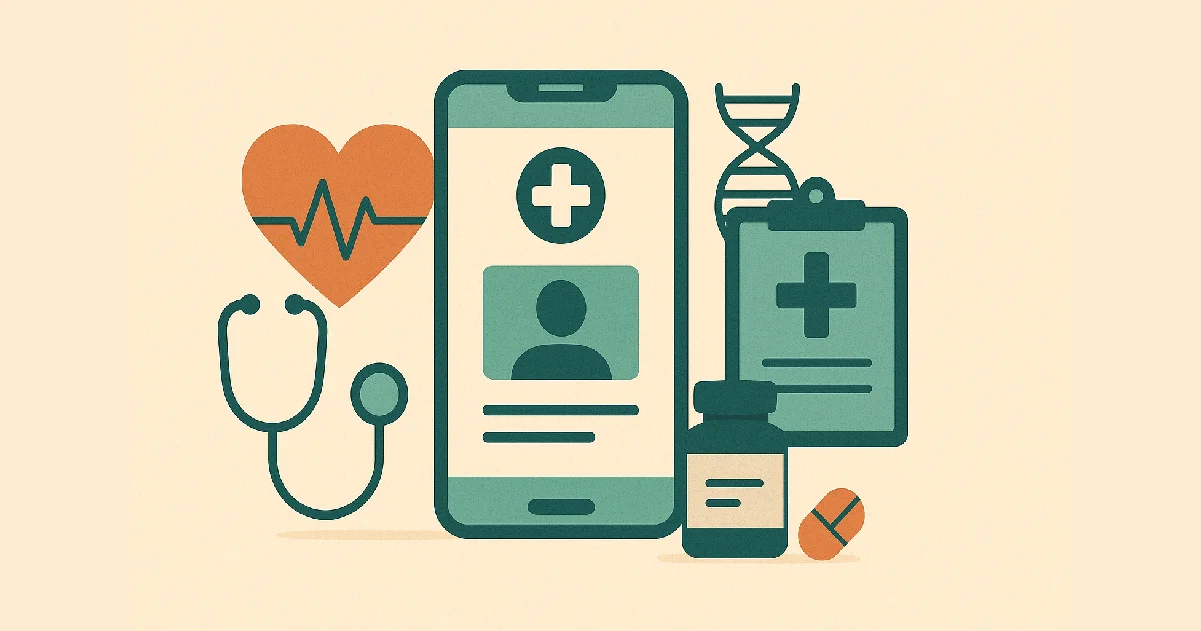
Most people believe healthcare apps are just online consultation tools, but the reality is that they’re quietly evolving into a full-scale digital ecosystem, and they are capable of replacing several in-person medical services. Now, these healthcare apps are not just about telemedicine; they are working on AI-led diagnostics, automated treatment plans, real-time patient monitoring, medical IoT integration, and even preventive predictive care.
The trend of healthcare apps is not just about convenience now, but it’s a necessary step, and it’s being forced by overloaded hospitals, growing chronic illness cases, rising medical costs, and the global shortage of healthcare workers. The tech hubs of our country, like the healthcare app development in Bangalore, are not just building “apps,” but they’re building virtual hospitals that operate without beds, waiting rooms, or paperwork, using tools like AI chatbots, wearables, digital prescriptions, and remote disease management systems.
In this blog, we will not just talk about whether healthcare apps will change medical care, but also how fast they will turn into the primary gateway for accessing doctors, treatments, diagnoses, and preventive care worldwide.
Why On-Demand Healthcare Apps Are Becoming Unstoppable

Overcrowded Hospitals
In many areas, especially rural ones, hospitals operate beyond capacity; the situation forces patients to wait for hours, or they have to face weeks-long appointment delays that physically strain both patients and doctors. This tech world is running so fast that the slow pace of offline systems, token queues, paperwork, multiple checkups, and fragmented departments increases treatment time even for basic conditions.
Dedicated on-demand apps erase the entire physical dependency because they offer direct online consultations, digital reports, and remote triage, and they allow faster medical attention without logistical chaos. These apps are so important for non-emergency cases, like fever, skin issues, follow-ups, and mental health. Digital care is actually more efficient because it cuts travel, unnecessary tests, and waiting-room exposure.
Global Doctor Shortage Is Forcing a Digital Shift
According to the WHO, millions of additional doctors and nurses are required worldwide, and population growth is accelerating faster than medical hiring. If we talk about a rural area or any low-income region, people are lacking specialists; all the specialists, like neurologists, cardiologists, and dermatologists, are almost inaccessible, pushing innovation toward tele-specialisation, where top doctors can treat remotely. If you are thinking, how is it even possible that an app can replace doctors? Yes, they can’t, because on-demand apps aren’t replacing doctors; they’re replacing the need for physical presence, using AI pre-assessment, symptom checkers, and medical chatbots to reduce doctor workload.
Chronic Diseases Demand Continuous Monitoring
Many lifestyle diseases are so common nowadays in almost every house, like diabetes, hypertension, and obesity; they require daily monitoring, but patients rely on occasional checkups that miss warning signals between visits. Now we have wearable links in the market with apps that can track vital signs 24/7, sending automated alerts, lifestyle reminders, medication notifications, and personalised recommendations based on live analytics. These apps don’t wait for the problem to get worse; they provide preventive care, warning users of abnormal readings before a hospitalisation becomes necessary.
How Healthcare Apps Will Work in the Future

AI Becomes the Primary Healthcare Gatekeeper
In the future, people won’t start hospitals, have long hospital lines, and spend thousands of rupees on checking fees, but they will begin with AI medical assistants that scan symptoms, voice tone, facial stress, and wearable stats to generate instant medical profiling. Those apps will categorise cases into three stages, that too without human involvement. And the cases will be like A) Self-manageable (handled by AI), B) requiring a remote doctor, or C) emergencies requiring a hospital visit. AI will handle all the questions, report checking, basic diagnosis, risk scoring, triage level, and lifestyle guidance, and only the final decision goes to a doctor.
Digital Healthcare Will Be Predictive
We all usually say that health should be our first concern, but whenever we feel a bit low, we wait for the weekend or for a partner to go with; we feel lazy, and slowly we forget that we had chest pain last week. But with an app, you can just talk and share your symptoms in seconds, from your bed, and you will get the reports at the blink of an eye. So you can start the treatment before symptoms worsen, using real-time analytics from sleep, diet, activity, sugar, stress, oxygen, heart rhythm, and gut data from smart wearables. Apps will automatically change your diet plans, exercise routines, and medication reminders based on predicted risk spikes.
Automated Medicine Delivery
With the help of apps, you will get smart prescriptions because it’s not just a list of drugs, but they’ll follow dosage tracking, timing alerts, drug interaction checks, and refill automation. The AI in the app will listen & understand your problem and will suggest medicines to you accordingly, then you can just get those medicines from the store, or you can just order them through the same app. With this technology, medication errors will drop because apps will warn if drugs clash with your allergies, genetic profile, or previous prescriptions.
Conclusion
Healthcare is the most important part of everyone’s life. And it’s not demanded by hospitals; it’s demanded by users. People have stopped tolerating slow appointments, unnecessary travel, and unclear reports. If a hospital doesn’t offer a digital experience, users instantly shift to platforms that do. This user-driven shift is exactly why healthcare app development in Bangalore is exploding, because providers want to avoid becoming obsolete.
Everyone believes the chances of human error are way more possible than AI error, and it’s true. Patients are asking for digital proof, like prescription history, doctor ratings, treatment transparency, real-time updates, and secure record storage. Clinics without digital proof look unreliable, and they can’t be trusted. With accurate data and robust systems built through doctor app development in Bangalore, trust is shifting from a doctor’s word to verified digital records. The world is becoming techy, and healthcare is becoming a part of it.