
I didn’t notice LLM SEO was a thing at first.
What I noticed was something more annoying.
Our pages were ranking. Traffic looked fine. The SEO dashboard was green across the board. And yet, when people asked ChatGPT or Perplexity AI for tools in our space, we were nowhere to be found.
Competitors we outranked were getting named. Sometimes recommended. Sometimes quoted outright.
That was the moment it clicked.
The rules hadn’t changed everywhere. They’d split.
Traditional SEO was still doing its job. But large language models were playing a different game entirely. They weren’t looking for the “best page.” They were looking for the most obvious brand.
That’s what this article is about.
What still matters from normal SEO when LLMs are involved and what quietly stopped working.

Link building cheat sheet
Gain access to the 3-step strategy we use to earn over 86 high-quality backlinks each month.
What I Mean by “Normal SEO” vs “LLM SEO”
When I say “normal SEO,” I’m not trying to dismiss it.
It’s the version most of us grew up with. You pick a keyword. You create a page around it. You optimize the title, the headings, the internal links. Then you build backlinks until that page climbs the SERPs.
If it ranks, it works.
That mental model is still deeply ingrained in how most teams think about search. And to be clear, it’s not wrong.
Google still runs on pages. Clicks still matter.
But large language models and AI chatbots don’t experience the web that way.
They’re building an understanding.
AI models like ChatGPT, Claude, and Perplexity AI learn by absorbing information from across the web.
Articles. Listicles. Reviews. Comparisons. Product pages. Profiles. Mentions that barely feel important on their own.
To put it plainly:
- “Normal” SEO is page-centric.
- LLM SEO is context-centric.
With traditional search, success is obvious. Your page ranks, people click, traffic shows up in analytics. If you don’t rank, you’re invisible.
With LLMs and generative AI, there is no single page to win. You need mentions from all possible sources in order to improve AI visibility and get seen by these AI assistants.
What Still Matters (More Than People Think)
Brand Mentions
When LLM SEO comes up, the first reaction is usually technical. People ask about prompts, structured data, token limits, or whether there’s some hidden LLM optimization trick they’re missing.
That’s not where the leverage is.
What moved the needle for us was much more boring, and much more powerful: brand mentions in the right places.
Listicle posts, specifically, like this one:
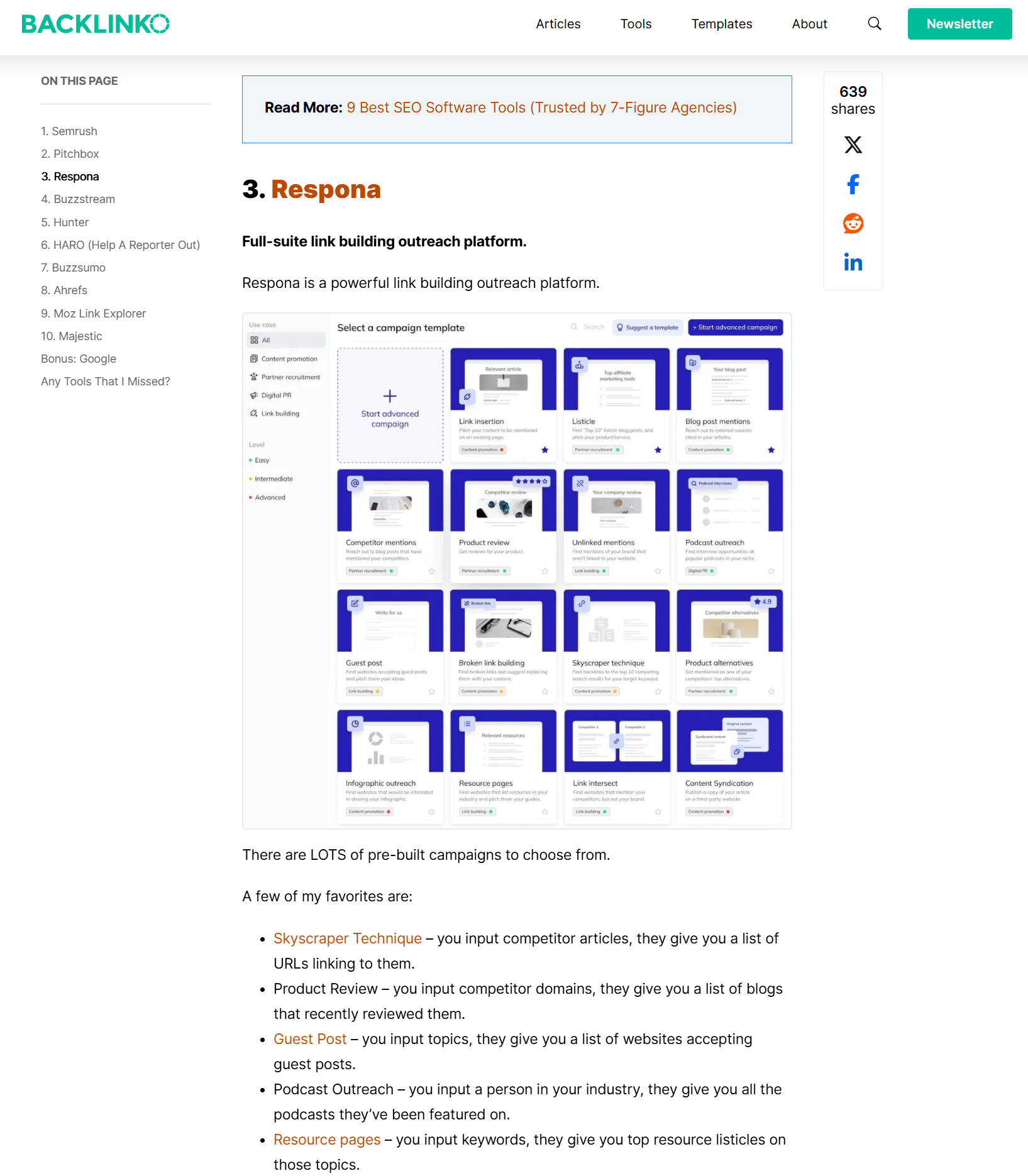
These placements were already the cream of the crop in terms of link building.
They drive highly targeted traffic that’s already researching solutions like yours. Now they’re even more important because of how LLMs and AI search platforms learn about you.
Listicles describe what a tool does, who it’s for, and how it compares to others. They repeat that information across dozens of sites, often using similar language and structure. For a large language model trying to learn the landscape of a niche, that’s gold.
This is exactly how we started seeing ChatGPT and other AI tools talk about us.
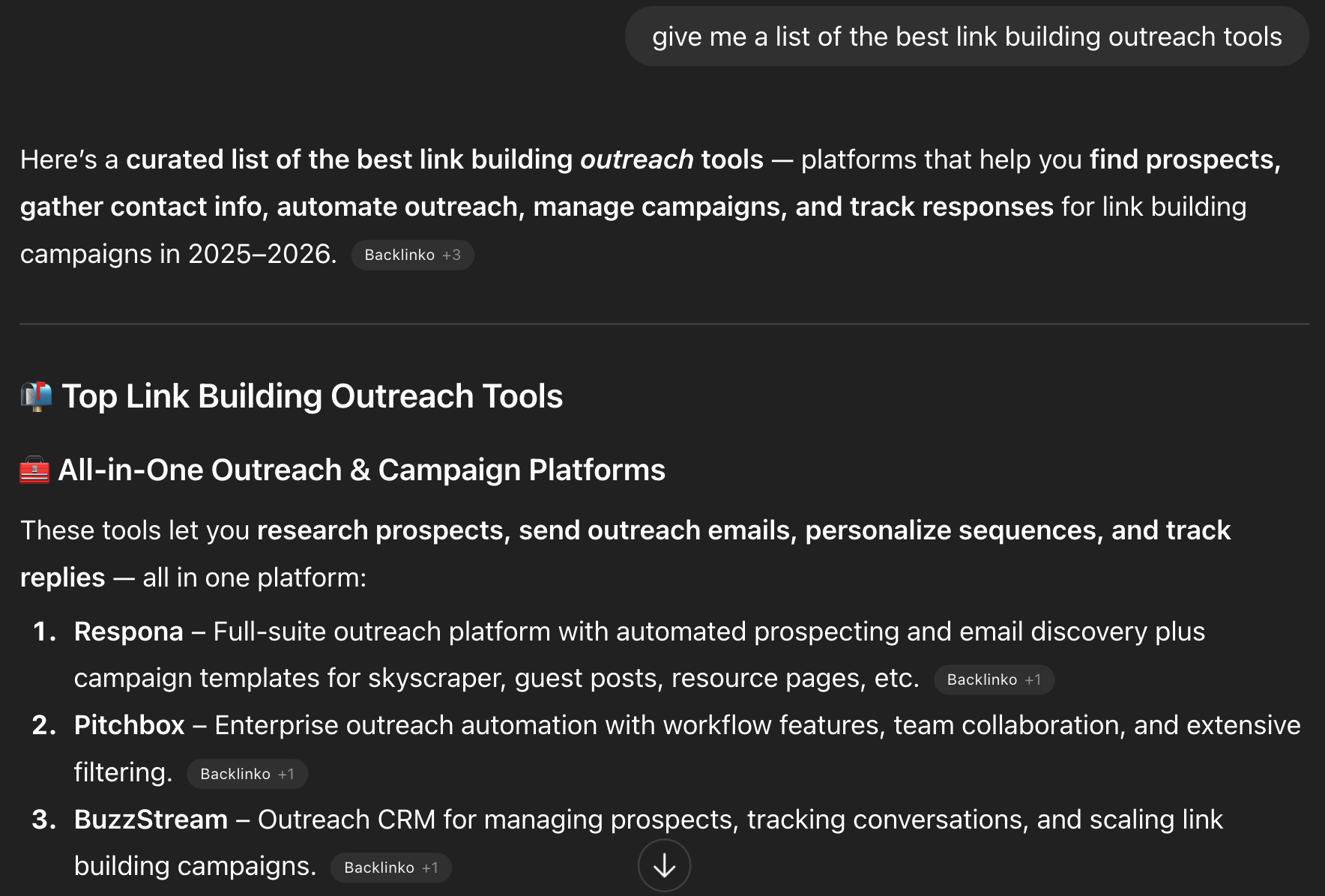
If you want to do this yourself, you can.
But this is also where most teams hit a wall.
Finding the right listicles. Figuring out who actually wrote them. Pitching your product without sounding like every other outreach email. Following up just enough to get an answer without burning bridges. Then doing it again, week after week, until those mentions start stacking up.
That work adds up fast.
This is exactly why we built our done-for-you link building service.
We secure high-quality brand mentions and listicle placements on sites that already get traffic. These are the same kinds of pages LLMs, Google AI Overview, and AI platforms consistently learn from.
You do not just get links.
You get positioned where AI systems and AI bots already look when deciding which brands to recommend.
Content
This is the part people overthink.
As soon as AI Overviews and LLMs enter the conversation, content strategy starts sounding complicated. People assume there must be a new format, a new length, or some secret prompt-friendly structure you have to follow.
In reality, the bar hasn’t moved up. It’s moved sharper.
LLMs don’t reward clever writing. They reward usable writing.
When an AI tool looks at a page, it’s not trying to be entertained. It’s trying to extract an answer it can confidently reuse. If your content makes that hard, it gets skipped, even if it ranks just fine.
I started noticing a pattern when we looked at pages that did show up in Google AI Overview and other AI generated answers.
They all did one thing really well.
They answered the question immediately.
The heading matched the query. The paragraph underneath actually explained it. No warm-up, no storytelling, no “let’s start with why this matters.” Just the answer, written the way you’d explain it to another person using natural language.
That structure survives the AI layer and improves LLM visibility. If your explanation is clear enough that it can stand on its own, AI systems can lift it cleanly.
And despite the common notion that artificial intelligence “steals” clicks, if your content is clean enough for the LLMs to quote directly with minimal edits, it often links to the source page as well through AI citation:
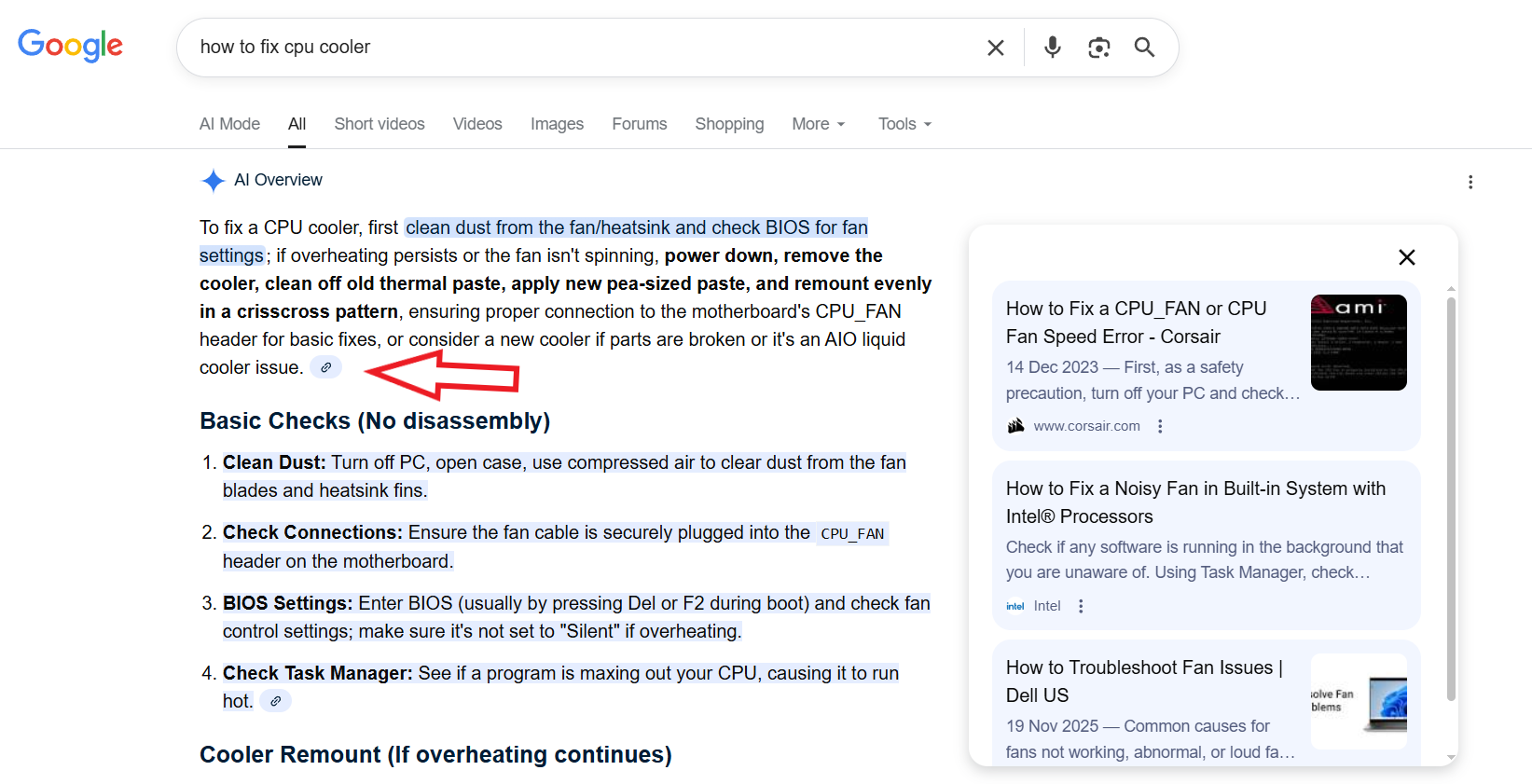
Lists help for the same reason. The same goes for simple tables.
Whenever a topic naturally breaks into steps, options, or comparisons, a clean list beats a long paragraph every time. AI systems don’t have to interpret structure; it’s already there.
If you’re comparing tools, features, or use cases, tables make your content easier to understand and harder to distort. LLMs don’t need to guess what relates to what. They can see it and build semantic relationships more effectively.
Technical SEO
Technical SEO did not stop mattering when LLMs showed up, though its role in your SEO strategy has evolved.
If your site is slow, broken, or difficult to crawl, AI systems never really get enough exposure to understand your content. Google still needs to index your pages. Content still needs to load reliably.
What has changed is what technical SEO actually gives you.
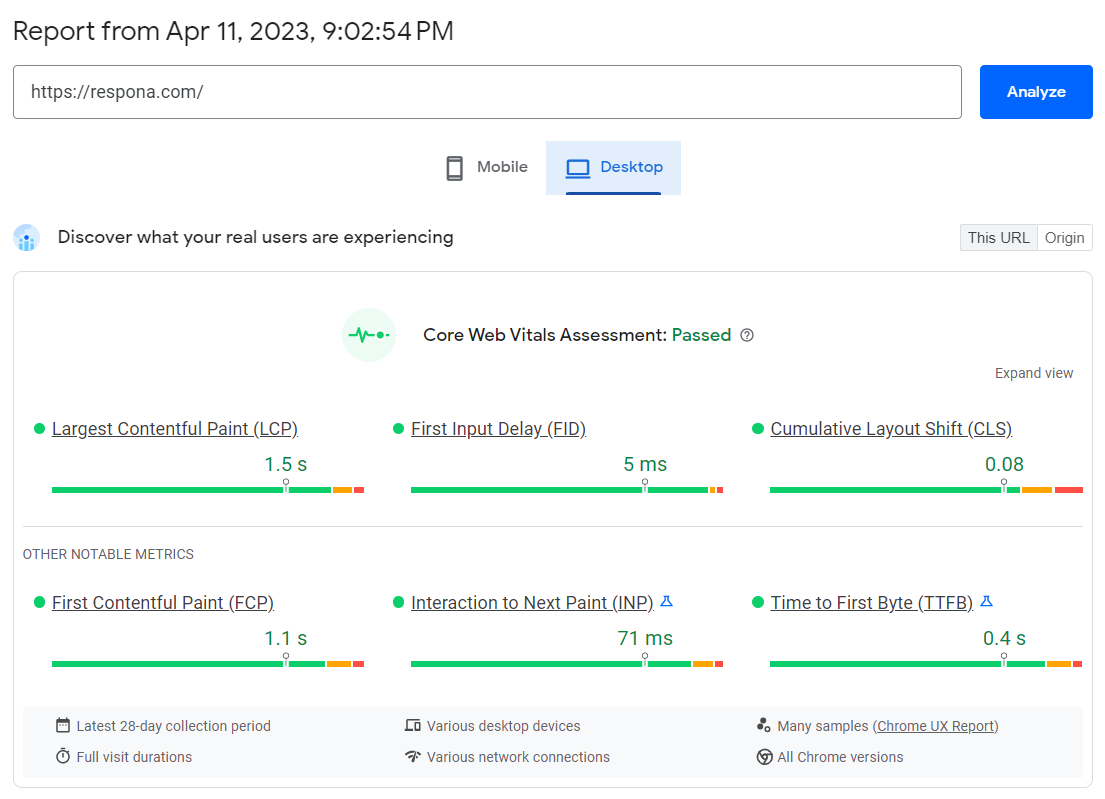
A clean, well-structured site does not cause LLMs to mention your brand. It simply ensures your content can be accessed and interpreted in the first place. It is a prerequisite, not a growth driver.
Clear headings, logical internal linking, and straightforward page layouts help machines extract information accurately.
Schema reduces ambiguity around entities and semantic relationships. These signals make it easier for both traditional search engines and LLMs to process your content, but they do not create visibility on their own.
What Matters Less (or Not at All) in LLM SEO
Being #1 in the SERPs
This is usually the hardest shift for people to accept.
For years, being number one was the goal. If you owned the top spot, you owned the traffic. Everything in SEO pointed toward that single outcome.
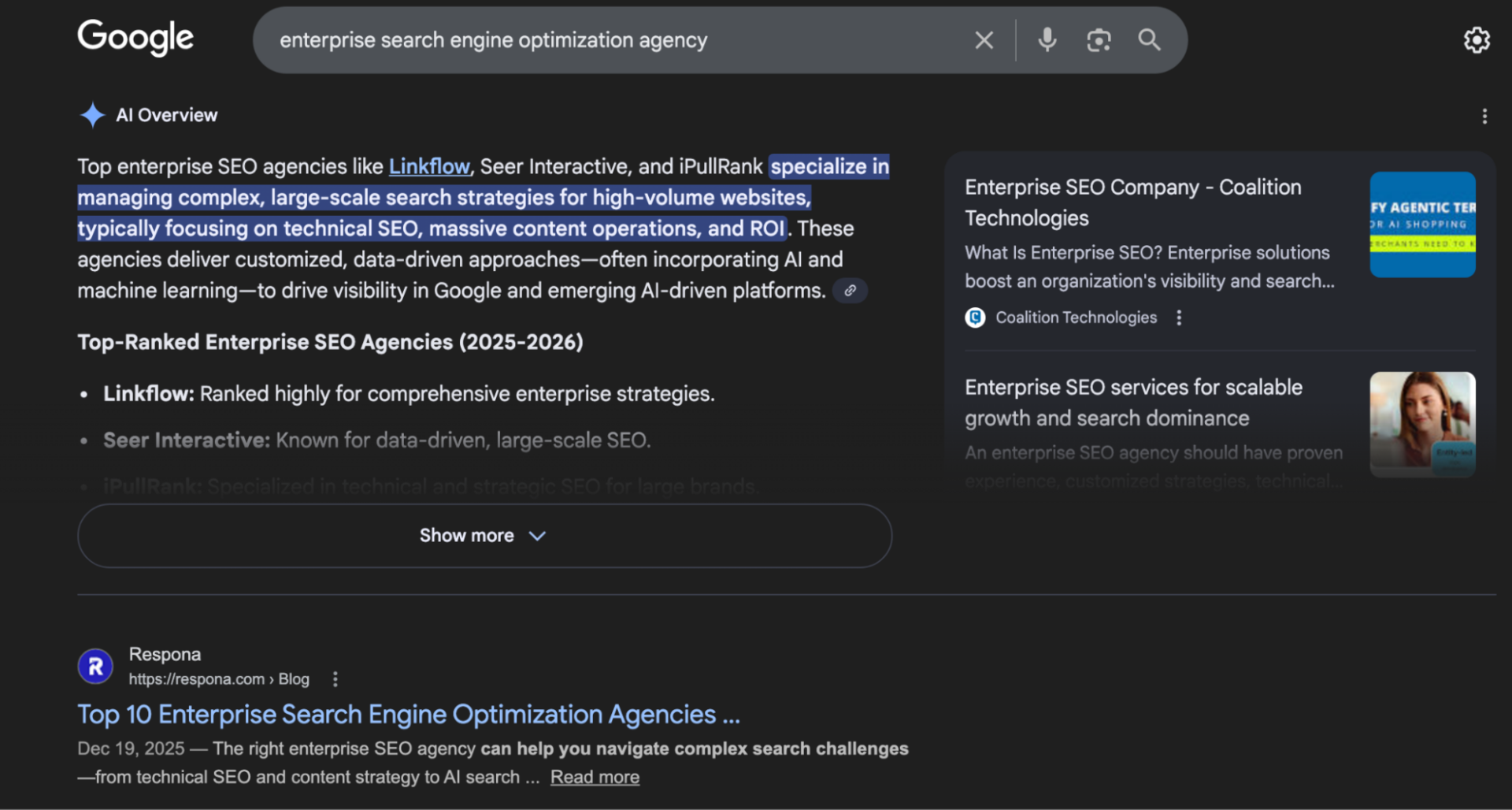
LLMs do not work that way.
When an AI assistant answers a question, it is not picking one winning page and ignoring the rest. It is pulling information from many sources and combining it into a single AI response. That changes what “visibility” even means.
I have seen brands get mentioned in AI answers and AI outputswhile ranking below competitors. I have also seen pages that rank number one never get referenced at all.
Once you look at enough examples and case studies, it becomes clear that rankings alone do not determine whether an LLM uses your content or provides LLM citation.
What matters more is whether your brand and your explanations appear across multiple relevant sources, improving your overall visibility and topical authority.
Page-Level Optimization Obsession
People still pour energy into perfecting one page. Tweaking title tags. Rewriting H1s. Adjusting keyword density. All of that can help a page rank, but it does very little to influence how LLMs see your brand.
Large language models do not build understanding page by page. They learn from repeated exposure across many sources.
One perfectly optimized article does not outweigh dozens of mentions elsewhere that describe you clearly and consistently.
Exact Keyword Targeting
Exact keyword targeting matters far less with LLMs and AI search than it does in traditional SEO.
Large language models do not think in terms of specific phrases.
They understand topics, semantic relationships, and intent. Whether you use the exact wording of a query or a close variation rarely changes how they interpret your content.
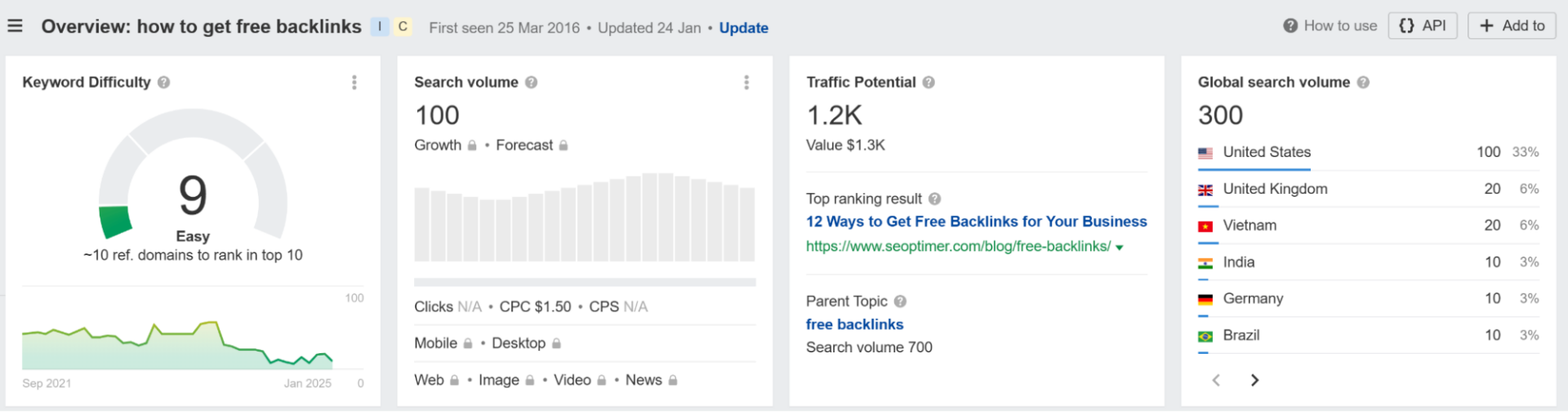
This is why obsessing over exact-match keywords often adds no real value.
Clear explanations beat precise phrasing. If your content answers the question in a straightforward way, LLMs can work with it. If it does not, repeating the keyword more often will not fix that.
Link building cheat sheet
Gain access to the 3-step strategy we use to earn over 86 high-quality backlinks each month.
Now Over to You
“Normal” SEO is still doing important work. It gets your pages indexed. It gets you traffic. It puts you in the places where AI systems can even notice you.
But LLM SE determines whether AI tools quote you, recommend you, or quietly ignore you while mentioning competitors you outrank.
That shift catches a lot of teams off guard because it is not about one page or one ranking win. It is about whether your brand feels obvious when AI search platforms and AI bots look across the web.
That visibility comes from repetition. From brand mentions. From listicles and comparisons that explain what you do in plain language, over and over again.
You can build that presence yourself, but it takes time and consistency most teams simply do not have.
That is exactly why we built our done-for-you link building service.
We secure high-quality brand mentions and listicle placements on sites that already get traffic and already influence how LLMs learn. Not vanity links. Not random placements.
Real visibility in the places AI systems, Google Gemini, and other AI platforms actually pull from.
Frequently Asked Questions (FAQ)
What is LLM SEO?
LLM SEO is the practice of optimizing your brand and content so large language models like ChatGPT, Claude, and Perplexity AI choose to mention or recommend you. Instead of focusing only on rankings, it focuses on how AI systems learn and associate brands with specific topics.
Is LLM SEO replacing traditional SEO?
No. LLM SEO builds on top of traditional SEO rather than replacing it. You still need solid technical SEO and content to be visible, but LLM SEO determines whether AI systems actually talk about you.
Do I need to rank number one to show up in AI answers?
No. LLMs pull information from many sources, not just the top-ranking page. Brands that appear consistently across relevant articles and listicles can be mentioned even without owning the top SERP position.
Why are brand mentions so important for LLM SEO?
LLMs learn from patterns across the web. When your brand shows up repeatedly in listicles, comparisons, and reviews, the AI model starts to associate you with that category. That association is what leads to AI recommendations.
Can link building influence ChatGPT and other AI tools?
Yes. Link building creates the brand mentions and contextual placements LLMs learn from. When done strategically, it helps AI systems understand who you are and when to suggest you, not just where you rank.
`