Plus: Polymarket plays it safe; the power of quirky backstories; the general public’s mistrust of AI in branded content.
Accusations of sexual abuse made against the late labor leader and civil rights activist Cesar Chavez have left many reeling.
The fallout has been swift.
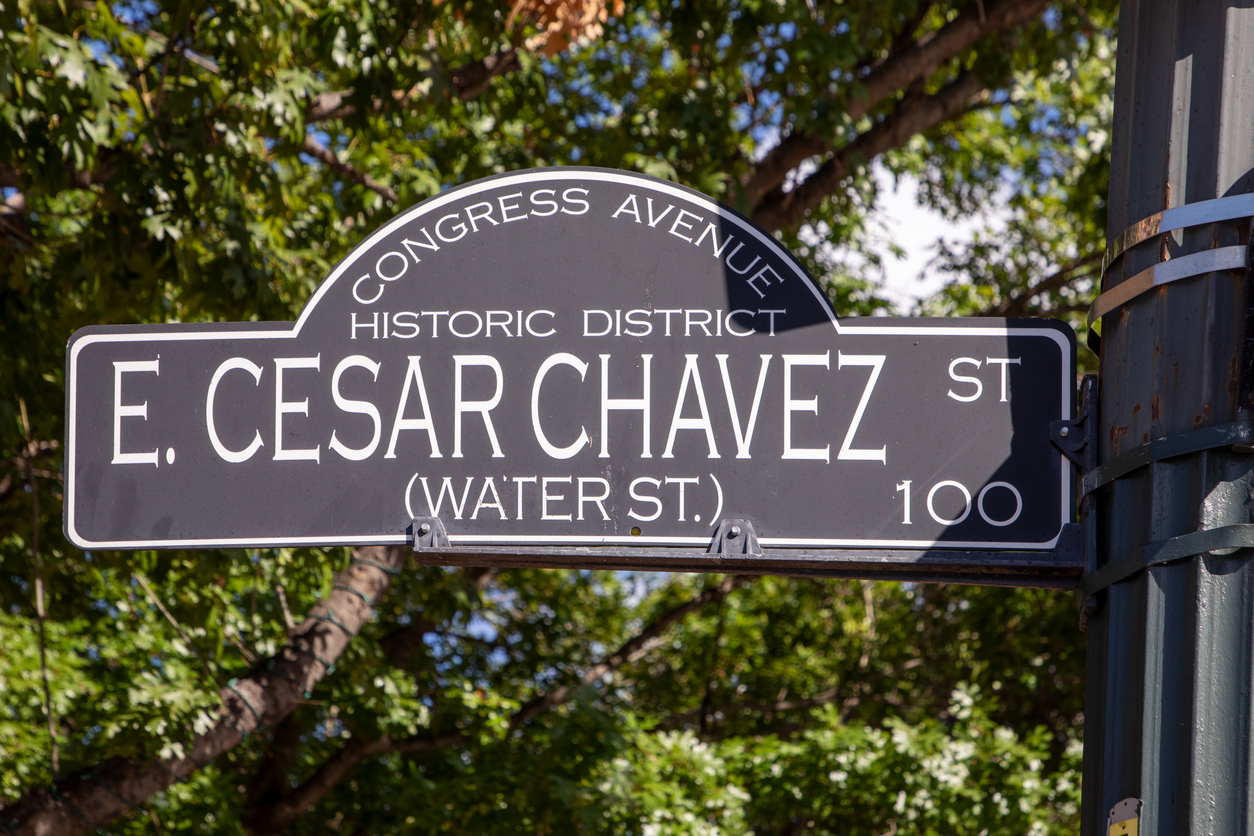
Some cities and states have canceled their celebration plans for Cesar Chavez Day, which occurs on March 31. California lawmakers intend to change the name of Cesar Chavez Day to Farmworkers Day. Elsewhere, momentum is building to remove Chavez’s name from parks, streets, and schools named after the charismatic leader.
In a statement from the United Farm Workers, a labor union Chavez co-founded in the 1960s, the organization described Chavez’s alleged behavior as incompatible with the organization’s values.
“Allegations that very young women or girls may have been victimized are crushing,” the statement reads. “We have not received any direct reports, and we do not have any firsthand knowledge of these allegations. However, the allegations are serious enough that we feel compelled to take urgent steps to learn more and provide space for people who may have been victimized to find support and to share their stories if that is what they choose.”
In a separate statement from the Cesar Chavez Foundation, the nonprofit organization said the revelations were “shocking, incredibly disappointing, and deeply painful.”
It continues as follows: “To the survivors: we believe you. We honor your courage, and we are very sorry for the harm you have carried in the shadows for so long. The Cesar Chavez Foundation acknowledges the prevalence of the abuse of women and children. We are committed to restorative justice and healing for those who have been harmed, and to ensure our organization reflects the dignity and safety every person deserves.”
Why it matters: Building a legacy around one person keeps the message simple, but the strategy carries risk if that person’s past is anything but.
Several groups are now having to do the difficult work of separating the good Chavez did from the bad. The groups are acting swiftly and decisively, choosing to honor the values their organizations espouse rather than the now-tainted legacy of their founder. Their statements are unequivocal about believing victims and seeking justice. Their best hope of survival is in focusing on the impact of their work rather than attempting to continue hagiography of a man accused of serious crimes, and that is reflected in their statements.
One tactic in achieving this involves honoring everyone who has contributed over the decades, as opposed to keeping the spotlight on the fallen leader.
As the Cesar Chavez Foundation put it: “The Movement was never about one man – it belonged to the people who built it, and it belongs to the communities we continue to serve today. The Movement was built by thousands of ordinary women, men, and families from all walks of life who sacrificed for justice they believed in. Their contributions and the communities they transformed, belong to all of them. They cannot and will not be erased.”
Editor’s Top Reads:
- Predictions platform Polymarket has partnered with Major League Baseball. The deal, which involves data sharing and exclusive logo rights, is becoming more common. Polymarket and its top rival Kalshi have partnered with a variety of professional sports leagues, such as Major League Soccer and the National Hockey League. What’s different about the Polymarket-MLB announcement is that it includes a nod of approval from the Commodity Futures Trading Commission, a government agency that oversees parts of the predictions market. In a statement, the CFTC reported it had signed a memorandum of understanding with MLB, the “first of its kind between the CFTC and a professional sports league.” The arrangement is meant to protect the credibility of the game from any potential fraud, manipulation, and other abuses related to prediction markets. At a time when these platforms are under scrutiny – Arizona filed criminal charges against Kalshi for illegal gambling – it’s good to show you’re going the extra mile to do things the right way. “I thank MLB and Commissioner Rob Manfred for partnering with the CFTC and taking a leading role in protecting the integrity of these growing markets,” CFTC Chairman Michael S. Selig noted in a statement.
- Brands with a quirky yet compelling origin story should share it. An unconventional history adds personality, which creates distinction in the minds of consumers. This is what luxury skincare brand La Mer did when it worked with the Wall Street Journal on an article about its famous face cream. Turns out one step in the production process involves playing ocean sounds for some of the key ingredients. Founder Max Huber never revealed this trade secret before he died, so La Mer scientists had to piece it together using clues Huber had left behind. Whether the water noises alter the product’s composition or not is unclear. What matters is that the story is interesting and gets La Mer into the public eye in a way that feels natural. We don’t know if this story was pitched or the result of outreach from the WSJ, but either way, it resulted in a slam dunk media relations pitch that helps define the brand as the kind of over-the-top luxury worth paying for.
- Half of U.S. consumers prefer to give their business to brands that do not use AI in their consumer-facing content and messaging, according to a survey from research and consulting firm Gartner. Emily Weiss, a senior principal analyst at Gartner, said companies should consider whether AI could hurt their reputation before deploying the technology. “The brands that win will be the ones that use AI in ways customers can immediately recognize as helpful, while being transparent about when AI is used, what it’s doing, and giving customers a clear choice to opt out,” she explained. On a related note, publisher Hachette Book Group pulled an upcoming horror novel amid allegations that the author used AI to write it. “Hachette remains committed to protecting original creative expression and storytelling,” a spokesperson said in a statement. The incident highlights how quickly consumers can lose trust in a company if they aren’t sure what they’re buying. AI is effective at increasing output, but that doesn’t matter much if people don’t care for the results.
Paul Hiebert is a reporter for PR Daily and Ragan.com. Follow him on LinkedIn.
The post The Scoop: Organizations attempt to remove the bad from the good in Cesar Chavez’s legacy appeared first on PR Daily.