Scandinavia has long been a frontrunner in digital adoption, customer experience and sustainability. It is no surprise that loyalty programs in Sweden, Norway and Denmark reflect both high consumer expectations and a strong strategic focus from marketers.
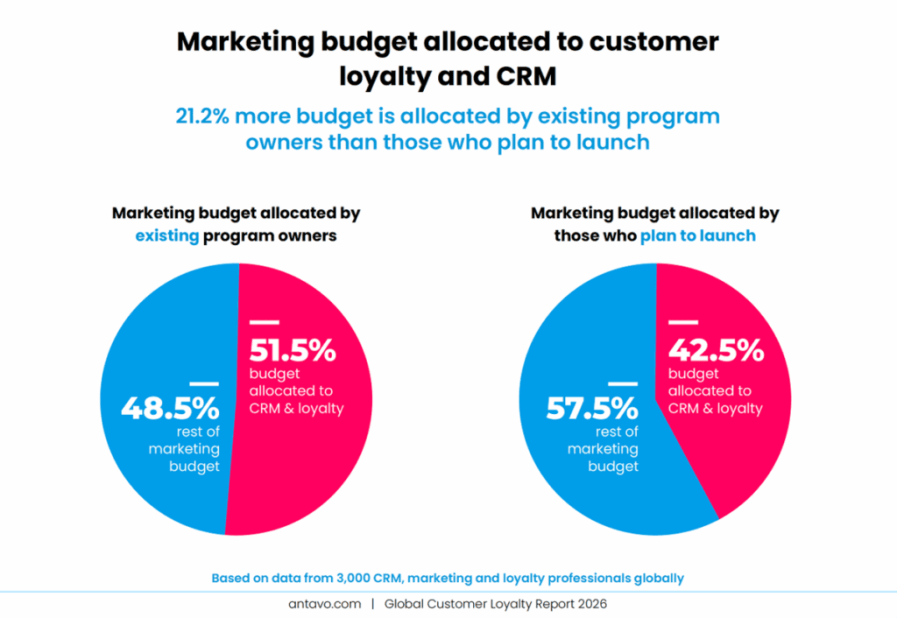
Globally, loyalty programs are entering a new golden age, with 83% of program owners satisfied andthe average share of budget for loyalty and CRM are 51%. But when we zoom in on the Scandic region, the story becomes more nuanced. While marketers are confident, consumer expectations are sharper, and in some cases, more demanding than the global average.
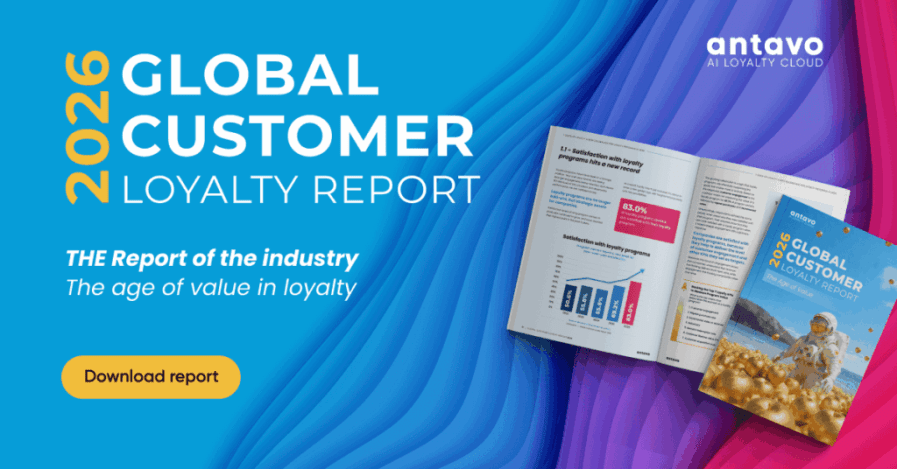
All the statistics in this article are from Antavo’s Global Customer Loyalty Report 2026. Make sure to download it for more regions, global and industry-based findings on loyalty and AI.
Sweden: High Expectations, Lower Confidence
Sweden presents one of the most interesting contrasts between marketer sentiment and consumer perception.
On the marketer side, 80% of Swedish loyalty program owners say they are satisfied, slightly below the global benchmark of 83%. More striking is that only 71% are confident that loyalty delivers value they would not get otherwise, significantly below the global 89%. That gap suggests a more cautious mindset among Swedish brands. Loyalty is important, but its incremental impact is being scrutinized more closely.
Swedish marketers define success primarily through repeat purchase rate (48%), instead of customer engagement, which leads globally at 41%. This indicates a more performance-driven view of loyalty. The program must drive measurable behavior change, not just engagement metrics.
AI adoption is also more conservative. 45% of Swedish marketers use AI to manage loyalty programs, compared to 51% globally. AI preparedness sits at 6.1 out of 10, slightly below the global 6.3. In a region known for digital maturity, this suggests that Swedish brands may be taking a more deliberate, structured approach to AI rather than rushing adoption.
From the consumer perspective, Sweden stands out in a few key areas. 43% of consumers are more likely to join a loyalty program than last year, in line with the global average. However, 60% say loyalty programs make them feel valued, above the global 56%. That is a positive signal: Swedish programs appear to resonate emotionally more than in many other markets.
At the same time, expectations around personalization are higher. 52% of Swedish consumers say personalized offers motivate them to join, compared to 42% globally. This is a clear signal for brands like Scandic: personalization is not a bonus feature in Sweden, it is a baseline expectation.
Interestingly, only 39% of Swedish consumers say it takes too long to earn rewards, well below the global 49%. This could indicate that Swedish programs are better calibrated in terms of earn and burn balance.

For Sweden, the challenge is less about mechanics and more about proving long-term value and differentiation. Therefore, the opportunity lies in strengthening internal confidence while doubling down on personalization externally.
Norway: Loyalty as a Revenue Engine
If Sweden is cautious, Norway is confident.
Norwegian loyalty program owners report 89% satisfaction, well above the global 83%. Even more telling, 96% believe their loyalty program drives incremental value, compared to 89% globally. Loyalty in Norway is clearly seen as a growth engine, not just a retention tool.
Marketers in Norway allocate 58% of their marketing budget to loyalty and CRM, significantly higher than the global 51%. This level of investment reflects maturity. Loyalty is embedded in core strategy.
Unlike the global focus on engagement, Norwegian marketers rank incremental sales or revenue (50%) as the top success metric. This is a commercially focused mindset. Loyalty must deliver tangible financial returns.
AI usage is also stronger. 57% of Norwegian marketers use AI in loyalty management, and AI preparedness scores 6.9 out of 10, well above the global 6.3. This aligns closely with the AI-driven loyalty loop: loyalty data fuels AI, and AI enhances loyalty performance.
From the consumer side, Norway is one of the most loyalty-friendly markets. 53% of consumers are more likely to join a loyalty program than last year, compared to 43% globally. Loyalty is becoming a normalized part of daily life.
However, Norwegian consumers are demanding. 58% say it takes too long to earn rewards, much higher than the global 49%. 48% are frustrated by expiring rewards, versus 41% globally. This indicates that while consumers are open to loyalty, they are highly sensitive to friction.
Interestingly, only 47% feel valued by loyalty programs, below the global 56%. This is a clear perception gap. Norwegian brands believe loyalty drives value, but customers are less convinced emotionally.
For Norwegian companies the takeaway is clear: the commercial engine is strong, but emotional connection needs attention. Faster rewards, clearer value exchange and more visible recognition could help close the gap.
Denmark: Digital-First and Relevance-Driven
While marketer data for Denmark is grouped within Scandinavia, consumer insights reveal a distinct profile.
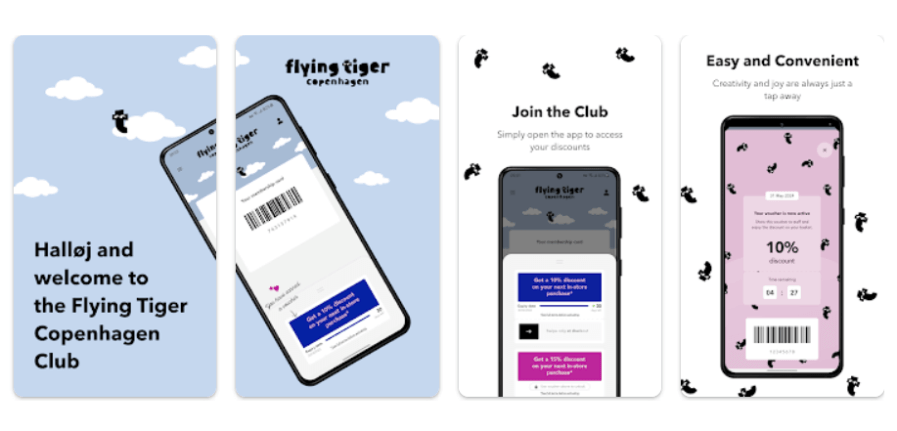
In Denmark, 38% of consumers are more likely to join a loyalty program than last year, slightly below the global 43%. However, Denmark ranks among the top countries for preferring mobile apps as the primary loyalty interface. 55% prefer mobile, significantly above the global 44%.
This underlines a key expectation: loyalty in Denmark must be seamless, digital and frictionless. Customers want their member identity readily accessible, without extra effort.
When it comes to motivation, 59% of Danish consumers join for money-saving benefits, below the global 71%. However, 46% are motivated by personalized offers, above the global 42%. Like Sweden, Denmark leans toward relevance over pure discounts.
Danish consumers are less frustrated than some of their Nordic neighbors. 49% say it takes too long to earn rewards, in line with the global average, and 39% cite reward expiration as a disappointment, slightly below global levels.
What stands out most is promotional influence. 50% of Danish consumers say promotions influence their shopping behavior, below the global 69%. This suggests a more measured response to discounts. Promotions alone are unlikely to drive long-term loyalty.
Brands operating in Denmark should focus less on blanket discounts and more on contextual, personalized value delivered through mobile-first experiences.
Takeaways for the Scandic Loyalty Market
The Nordics region is already transitioning into the next phase of loyalty maturity. Loyalty is no longer about points alone. It is about relevance, recognition and real-time adaptation.
If you’re exploring how to are looking for ways to launch or align your existing loyalty program with 2026’s Nordics loyalty trends, book a call with Antavo’s loyalty experts. And don’t forget to download our report!