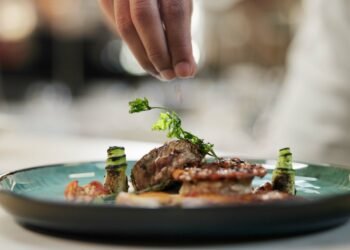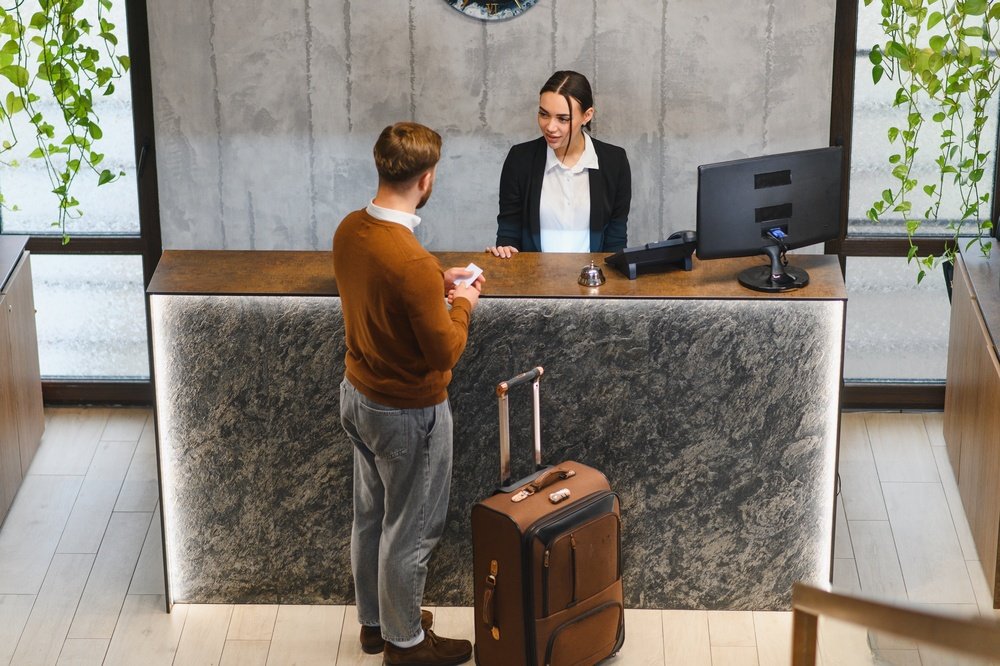
Marketing directors in hospitality face a brutal truth: guests scroll past another perfectly lit lobby shot in seconds. What stops the scroll? A chef’s hands kneading dough his grandmother taught him to make, a housekeeper’s handwritten note that saved a anniversary, a farmer delivering heirloom tomatoes at dawn. Stories rooted in real people, authentic culture, and traceable sourcing don’t just fill content calendars—they generate earned media, build loyalty that survives price wars, and turn guests into advocates who create content for you. When budgets tighten and occupancy targets climb, narrative becomes your highest-leverage asset.
Journalists ignore press releases about “award-winning cuisine.” They lean in when you pitch a chef who left a Michelin kitchen to revive his family’s fermentation techniques using ingredients from a three-mile radius. Mercure hotels built their brand identity around locality stories—partnerships with neighborhood bakers, profiles of regional winemakers, menus that change by arrondissement. The result: a hotel chain that feels like dozens of unique properties, each with editorial angles that travel writers can’t get anywhere else.
Start by mining your culinary team for personal arcs. Does your pastry chef source honey from rooftop hives she tends herself? Did your sous chef apprentice in Lyon before returning to interpret those techniques with Texas Hill Country lamb? Noma restaurant attracted global media not by listing Nordic ingredients, but by documenting foraging expeditions, fermentation experiments, and the reinvention of traditional preservation methods. They positioned chefs as researchers and storytellers, not just cooks.
Newsworthy Angle Checklist:
- Uniqueness: Can only your property tell this story? Generic farm-to-table claims die in inboxes.
- Timeliness: Tie to seasons, local events, or cultural moments (heritage month, harvest festivals).
- Visual richness: Journalists need images. Chef hands shaping pasta, market visits at sunrise, plated dishes with origin stories.
- Human tension: Challenges overcome—a chef’s struggle to source rare heirloom seeds, a sommelier’s quest to spotlight overlooked regional vineyards.
When pitching media, lead with the person, not the plate. “Our chef revived a 200-year-old mole recipe using chiles from the same family farm his great-grandmother used” beats “We serve authentic regional cuisine” every time. Focus on sustainability efforts that go beyond composting—detail partnerships with indigenous growers, water reclamation systems that supply kitchen gardens, or zero-waste tasting menus where trim becomes staff meal becomes compost becomes soil.
Do’s and Don’ts:
- Do: Spotlight a chef’s family recipe revival with named sources and preparation rituals.
- Don’t: List ingredients without context or human connection.
- Do: Document the journey from soil to plate with photos and farmer interviews.
- Don’t: Make vague claims about “local partnerships” without specifics.
- Do: Share failures and iterations—the three seasons it took to perfect a technique.
- Don’t: Present everything as effortless expertise.
Guest testimonials amplify these narratives. When a diner posts about learning the story behind their dish directly from the chef, that’s user-generated content and social proof combined. Create shareable formats: 60-second Instagram Reels of chefs explaining one ingredient’s origin, downloadable recipe cards with sourcing stories, QR codes on menus linking to video profiles.
Guest Experience Narratives That Build Emotional Bonds
Ritz-Carlton’s legendary service stories—staff flying across continents to return a child’s stuffed animal, chefs preparing off-menu meals for guests with dietary restrictions—generate media coverage because they position guests as heroes in personalized tales. You’re not selling rooms; you’re documenting moments where your team solved problems that mattered.
Hotels that attach human stories to rooms charge 5% premiums and see higher repeat booking rates. A suite isn’t just 400 square feet with a view—it’s where a couple celebrated their 50th anniversary, where a novelist finished her manuscript, where a family reunited after years apart. Collect these stories systematically through post-stay surveys with open-ended questions: “What moment from your visit will you remember in five years?” Mine review sites for emotional language. Train front desk and concierge staff to note and record remarkable interactions.
Weak vs. Strong Narratives:
| Weak Narrative | Strong Narrative |
|---|---|
| “We cleaned your room.” | “Our housekeeper noticed your anniversary card and left champagne with a handwritten note.” |
| “We offer concierge services.” | “When your flight was canceled at midnight, our night manager rebooked you, arranged breakfast, and had your presentation materials printed by 6 AM.” |
| “Family-friendly amenities available.” | “A father shared that his daughter’s first words were spoken in our garden—we framed the photo they took and mailed it as a surprise.” |
Hotel Emma in San Antonio weaves its brewery building history into every guest touchpoint—industrial features preserved in design, cocktails named for historical figures, staff trained to share architecture stories. Guests don’t just stay; they experience cultural immersion that they photograph, share, and return to relive.
Position guests as protagonists. When a couple arrives late after a delayed flight, exhausted and hungry, and finds a warm meal waiting with a note saying “We know travel is hard—welcome home,” that’s a story they’ll tell for years. Capture these moments in real-time: quick staff debriefs to document what happened, photo releases signed during check-in, branded hashtags promoted in rooms.
Track emotional bonds through metrics that matter: Net Promoter Score changes after implementing story-based training, social media share rates of guest testimonials, percentage of bookings from returning guests, user-generated content volume with your branded tags. Encourage testimonials and social shares by making it easy—QR codes to review platforms, Instagram-worthy moments designed into spaces, staff empowered to ask “May we share your story?”
A great story told once dies. The same narrative adapted across channels compounds. Your chef’s sourcing journey becomes an Instagram Reel (60 seconds at the farm), a website deep-dive (full interview with recipes), an email series (weekly ingredient spotlights), and a pitch to food editors (exclusive access to harvest events).
Multichannel Playbook:
| Channel | Tactic | Example |
|---|---|---|
| Instagram Reels/Stories | Quick chef profiles, behind-the-scenes sourcing | 30-second clip of morning market runs with farmers |
| Website blog | Long-form cultural deep-dives, staff profiles | 1,200-word piece on indigenous cooking techniques |
| Email marketing | Guest experience recaps, insider tips | Monthly “Stories from Our Guests” feature |
| In-room materials | QR codes to video content, printed story cards | Tent cards explaining artwork origins, artisan partnerships |
| Press pitches | Exclusive angles for journalists, photo access | Invite food writers to chef’s foraging expeditions |
Deploy guest experiences and behind-the-scenes content where your audience already spends time. Instagram Reels work for quick emotional hits—a 15-second clip of a guest’s surprised reaction to a personalized welcome. Blogs allow nuance—the full story of how your team tracked down a guest’s lost wedding ring. Email lets you segment: send culinary stories to food enthusiasts, cultural heritage content to history buffs, family moments to parents.
Visual storytelling in physical spaces matters. Display photos of local attractions in corridors with stories about community partnerships. Feature chef profiles in elevators. Place story cards in rooms explaining the origin of artwork, textiles, or design elements. Every touchpoint becomes a narrative opportunity.
When pitching influencers and journalists, offer exclusive access. Invite food bloggers to private chef’s table experiences where they meet farmers. Give travel writers early access to new cultural programming. Provide photo and video assets they can use—high-resolution images of dishes, B-roll of sourcing trips, interview transcripts. Make their job easier and your story becomes their story.
Free tools accelerate deployment. Canva templates maintain visual consistency across platforms. Branded hashtags (#YourHotelStories, #TasteOurRoots) aggregate user-generated content. Google Alerts track when your stories get picked up. Schedule content in batches using free tiers of social management tools, but leave room for real-time storytelling when remarkable moments happen.
Hospitality Brands That Execute This Successfully
Mercure’s locality approach proves that chain properties can feel boutique through storytelling. Each hotel partners with neighborhood entrepreneurs—bakeries, coffee roasters, craft makers—and features their stories prominently. Guests experience regional identity without the generic chain feel, and local media covers these partnerships as community news.
Alila Hotels targets eco-conscious travelers with narratives about harmony between nature and culture. Their properties document conservation efforts, indigenous cultural preservation, and sustainable design in ways that resonate emotionally. Guests don’t just reduce their carbon footprint; they participate in meaningful cultural exchange.
Brand Success Table:
| Brand | Key Tactic | Outcome |
|---|---|---|
| Mercure | Local entrepreneur partnerships, regional identity stories | Differentiated chain properties, local media coverage |
| Ritz-Carlton | Staff service stories, “Wow Stories” program | Strong emotional connections, viral social shares |
| Alila Hotels | Eco-conscious narratives, cultural preservation | Loyalty from sustainability-focused travelers |
| Hotel Emma | Historical building stories woven into design | Cultural immersion drives repeat visits |
| Zuni Café | Decades of consistent quality tied to San Francisco culture | Meals become shareable landmarks, multi-generational loyalty |
Ritz-Carlton’s “Wow Stories” program systematically collects and shares instances where staff exceeded expectations. These aren’t marketing fabrications—they’re documented moments that get shared in training, on social media, and with press. The stories reinforce brand values while providing endless content.
Zuni Café in San Francisco built decades-long loyalty not through advertising but through consistent quality stories tied to local culture. Their roast chicken became a shareable landmark—people post about it, journalists reference it, tourists plan trips around it. The dish has a story (specific sourcing, preparation ritual, cultural significance) that transcends the meal itself.
These brands succeed because they’ve made storytelling operational, not occasional. They’ve built systems to capture stories, trained staff to recognize narrative moments, and created channels to deploy content consistently. You can adapt their frameworks: identify your unique cultural or culinary elements, document the people behind them, create shareable formats, and pitch angles that only you can offer.
The path from flat occupancy to loyal advocates runs through stories that matter. Start this week: interview one chef about their personal journey, collect three guest testimonials that highlight emotional moments, and document one sourcing relationship with photos and farmer quotes. Turn those into a blog post, three social media pieces, and one pitch to a local journalist. Track what resonates—shares, comments, media pickups, booking inquiries mentioning specific stories. Double down on what works. Your competitors will keep posting room photos. You’ll be building a narrative library that generates earned media, commands premium rates, and creates guests who can’t wait to come back and see what story you’ll tell next.