

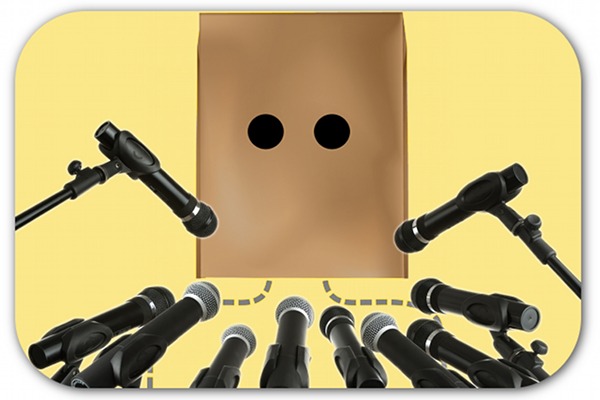
Why staying quiet can help establish your reputation.
In the age of instant backlash, fueled by the immediacy of social virality, brands may find themselves in the hot seat when they support a social or political movement. On the other hand, attempting to overcorrect could lead to more damage than not responding at all.
Bud Light experienced this firsthand when it partnered with Dylan Mulvaney, a transgender influencer, as a part of its push for greater inclusivity, and received extreme criticism . The company’s CEO made a statement, saying it never intended to be divisive. This perpetuated more backlash – on both sides of the aisle this time.
Sometimes not responding to backlash is the best strategy, particularly in situations that relate to brand activism, said Tyler Milfeld, an assistant professor of marketing at Villanova University and formerly with PepsiCo and Johnson & Johnson.
“When you think about a crisis, and for those of us that are very familiar with crisis response management, (remaining quiet is) something that you would never think about doing, but what it does in this particular context is it kind of gets the brand back on message, away from the controversy, and avoids the hypocrisy of retracting the initial stance, which brands often do,” he said.
Essentially, when a brand takes a stance, particularly if it is the first time taking that position, some backlash is expected, Milfeld said. But instead of retracting a statement, or making attempts to downplay it as Bud Light did, not responding keeps your organization rooted in authenticity and keeps the flames manageable.
Established activist brands vs. emergent activist brands
This may be easier for some companies over others though, Milfeld said. Brands like Patagonia and Ben & Jerry’s are known for their brand activism, taking strong stances on hot topics and garnering support from their established customer base, who already know and likely support the company’s position.
“What’s fascinating in the research that we’ve done is that when an established activist brand takes a stand on a sociopolitical issue, they’re perceived to be a lot more credible than an emergent brand. So that creates what’s called a credibility gap,” Milfeld said.
This is exemplified in Asics’ mental health campaign from the fall of 2023 when the company partnered with U.K.-based mental health organization Mind to illustrate how exercise impacts mental health and fitness. Because it had not spoken on the issue before a couple years ago, Milfeld said it falls into a higher risk category of being branded “inauthentic.”
In other words, brands that do not have a reputation as activist are perceived to be a lot less credible than brands that do, he said. And consumers who are most knowledgeable about that particular issue tend to punish the emergent brand to a much higher degree than the established brand. This is supported by Milfeld’s research, which showed statistically significant differences in a brand’s credibility rating when they retract a statement versus no response at all.
“On a 7-point scale, brands like Ben & Jerry’s, Nike and Patagonia are well above the midpoint. Emergent brands are statistically different and tend to fall well below the midpoint, (meaning) differences are greater than 1 point on a 7-point scale, which is a significant order of magnitude,” Milfeld said.
Stay the course
So then why could it be a beneficial strategy to ignore the online noise and not respond? If you’re thought of as less credible, that can have lasting and damaging effects.
It takes time establish yourself as being authentically committed to a cause, Milfeld said. It takes building a reputation. Staying quiet and firm can help.
For example, a brand could have core values that align with well-established organizations like Patagonia. But people won’t necessarily know this if the company has never spoken out on issues before But if you keep repeating your message and double down on your stance, over time you will build a reputation as being truly invested in a cause rather than engaging in greenwashing or rainbow washing. .
Other than staying strong, what can you do?
Of course, when your organization takes a stance on an issue, you still don’t want to alienate stakeholders. You don’t want to suddenly have such strong opinions that people are left wondering where you’re coming from and why you’re not addressing concerns, Milfeld said.
So what can you do?
Acknowledge the issue. But then move on. In time, your brand will build on that reputation, and your organization’s actions will come to be expected, he said.
“Acknowledge that there are some different opinions,” Milfeld said. “But what you don’t want to do is walk back your original statement, because that’s when (stakeholders) from both sides tend to kind of launch against the brand, and particularly those who supported the issue to begin with.”
Courtney Blackann is a communications reporter. Connect with her on LinkedIn or email her at courtneyb@ragan.com.
The post So you want to build an activist brand? Stop responding to backlash. appeared first on PR Daily.













![The Content Marketing Matrix [Free marketing strategy graphic]](https://mgrowtech.com/wp-content/uploads/2025/08/content-matrix2-120x86.jpg)
