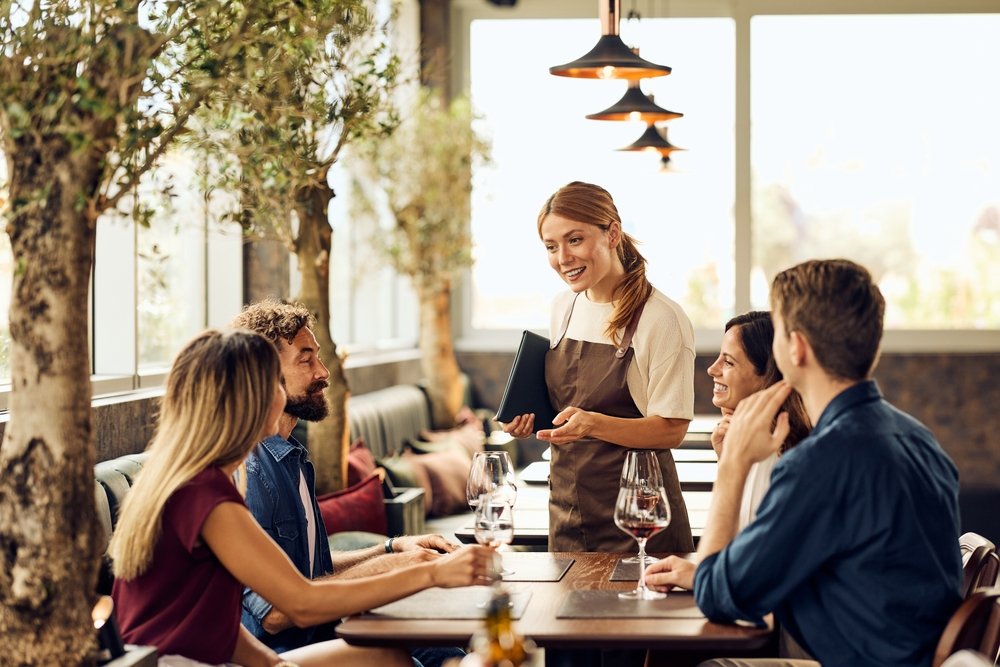
When your dining room sits half-empty on a Friday night despite serving the best carnitas in town, the problem isn’t your food—it’s your visibility. Most restaurant owners pour energy into perfecting recipes and training staff while overlooking the digital signals that determine whether hungry diners find them at all. The reality is harsh: if you’re not dominating local search results, collecting fresh reviews, and generating media buzz, you’re invisible to the exact customers walking past your door searching “Mexican food near me” on their phones. The good news? Local SEO, review generation, and public relations work together as a visibility trifecta that transforms online obscurity into packed tables, and you don’t need a marketing degree to make it happen.
How PR Generates Reviews and Lifts Google Business Profile Rankings
Public relations does more than stroke your ego with a mention in the local paper. When executed correctly, PR creates a direct pipeline to review generation and Google Business Profile prominence. Here’s why: earned media from food bloggers, local news outlets, and community partnerships builds credibility that prompts customers to leave reviews. A diner who discovers your restaurant through a trusted journalist’s recommendation or an influencer’s Instagram story arrives with higher intent and greater likelihood to share their experience online.
The mechanics are straightforward. Host a charity dinner benefiting local schools, and you’ll likely earn coverage from community news sites. That coverage creates backlinks to your website—signals Google interprets as authority markers. More importantly, attendees at that event represent a concentrated pool of potential reviewers. The key is converting that PR exposure into actual reviews through deliberate follow-up.
| PR Tactic | Review Generation Potential | Implementation Effort |
|---|---|---|
| Local media partnerships | High (trusted source drives intent) | Medium (requires pitch development) |
| Food blogger collaborations | Very High (audience primed to review) | Low (often exchange-based) |
| Community event sponsorship | Medium (broad but engaged audience) | High (requires event execution) |
| Influencer tastings | Very High (immediate social proof) | Medium (relationship building needed) |
One Austin-area restaurant owner I know implemented this exact approach after a slow winter season. She hosted a wine pairing event featuring local vintners, invited three food bloggers, and secured coverage in the neighborhood weekly. Within two weeks, her Google Business Profile accumulated 52 new reviews—most mentioning specific dishes highlighted in the media coverage. The secret? She placed QR codes on every table at the event linking directly to her review page, and her staff sent personalized follow-up emails three days later thanking attendees and including the media clips with a gentle review request.
To replicate this, tie every PR initiative to review collection:
- Upload media clips and press mentions directly to your Google Business Profile as posts
- Script post-event emails that reference the coverage: “Thanks for joining our tasting featured in [Publication]! We’d love to hear your thoughts here: [review link]”
- Train staff to mention recent press during service: “Did you see we were featured in [Outlet]? If you enjoyed tonight, we’d appreciate you sharing your experience”
- Respond publicly to every review that mentions PR-driven visits, reinforcing the connection
The compound effect is what matters. PR drives reviews, reviews boost your Google Business Profile ranking, and that ranking increases visibility in local pack results—the top three business listings that appear when someone searches for restaurants in your area. According to local SEO research, businesses in those coveted positions receive significantly more clicks than those buried below the map.
What GBP Optimizations Pair with Reviews and PR for Top Local Pack Spots
Your Google Business Profile is the foundation of local discovery, but most restaurant owners treat it like a digital business card they fill out once and forget. That’s a costly mistake. The profile requires constant attention, especially when paired with active review generation and PR efforts.
Start with the non-negotiables:
| Must-Do GBP Fields | Common Errors to Avoid |
|---|---|
| Complete business hours (including holidays) | Inconsistent NAP (name, address, phone) across web |
| High-quality food photos (updated monthly) | Generic business descriptions without keywords |
| All relevant attributes (outdoor seating, takeout, etc.) | Ignoring the Q&A section |
| Accurate service area and categories | Letting old photos dominate your profile |
| Regular posts (at least weekly) | Failing to verify profile ownership |
Reviews and PR amplify these optimizations. When you respond to every review—and I mean every single one—you accomplish two things. First, you signal to Google that your business is actively managed, which boosts your prominence in local search. Second, you create opportunities to naturally incorporate location-specific keywords. A response like “Thrilled you enjoyed our Austin-style breakfast tacos! Our family recipes have been perfecting that salsa verde for three generations” reinforces your geographic relevance and unique value proposition.
The integration with PR becomes powerful when you sync your profile updates with media mentions. Got featured in a “Best New Restaurants” roundup? Post it immediately to your GBP with photos from the article. Interviewed about your chef’s background? Upload that video clip and reference it in your business description. This consistent stream of fresh, relevant content tells Google your business is active and newsworthy.
Review management tactics that work:
- Respond within 24 hours to all reviews, using natural language that includes your cuisine type and location
- Feature standout reviews in your GBP posts: “Our guests are raving about the mole—here’s what Sarah said…”
- Use reviews to identify which dishes to photograph and highlight in your profile
- Track GBP insights weekly to see which posts and photos drive the most engagement
One practical tip that delivers outsized results: embed your PR mentions in GBP posts with specific calls to action. If a food blogger wrote about your Sunday brunch, create a post with their photo, quote their praise, link to their article, and add “Join us this Sunday—reserve your table” with your booking link. This creates a closed loop where PR feeds profile engagement, which feeds search visibility, which feeds more customers who leave more reviews.
How to Build PR That Targets Local Discovery and Review Momentum
Most restaurant PR fails because it’s generic. “Great food and service” doesn’t interest journalists who receive fifty similar pitches weekly. You need newsworthy angles that tie directly to local discovery and review generation.
Start by identifying what makes your restaurant genuinely interesting to local media:
| Restaurant Hook | Pitch Angle | Review Momentum Potential |
|---|---|---|
| Chef’s personal story | “From Mexico City to Main Street: How [Chef] Brought Family Recipes North” | High (emotional connection) |
| Community involvement | “Local Restaurant Feeds 500 Families Through School Partnership” | Very High (goodwill + attendance) |
| Unique ingredient sourcing | “The Only Austin Restaurant Using Heritage Corn from [Local Farm]” | Medium (niche but passionate audience) |
| Seasonal menu innovation | “Spring Menu Showcases Texas Ingredients in Mexican Classics” | Medium (timely but common) |
| Milestone celebrations | “Five Years Strong: How [Restaurant] Survived Pandemic and Thrived” | Low (unless tied to community impact) |
The pitch playbook is simpler than you think:
- Research local food journalists and bloggers—read their recent work to understand their interests
- Send personalized emails (not mass blasts) with a clear story angle and why it matters to their audience
- Offer exclusive access: first look at new menus, behind-the-scenes kitchen tours, chef interviews
- Collaborate with local influencers for tastings in exchange for honest social media coverage
- Make it easy: provide high-resolution photos, pre-written background information, and flexible scheduling
After securing coverage, the real work begins. Link every PR win to review generation through systematic follow-up. If you hosted a media tasting, send attendees a thank-you email within 48 hours that includes the published article and a direct review link. If a journalist featured your restaurant, share that article on social media with a caption asking satisfied customers to “tell us your favorite dish in a review.”
Measure what matters. Set up Google Alerts for your restaurant name and track when coverage appears. Cross-reference those dates with your Google Business Profile insights to identify review spikes. If you notice 15 new reviews in the week following a blog feature, you’ve confirmed the connection and can replicate the tactic. Free tools like Google Search Console show which search terms are driving traffic, helping you understand whether your PR is actually improving local discovery.
One owner I advised pitched her family’s immigration story to a local magazine, which ran a feature about her grandmother’s recipes. She followed up by hosting a “Grandma’s Table” dinner series, inviting attendees to share their experiences online. The result? A 40% increase in “family-style Mexican food” searches leading to her website, and her Google Business Profile moved from position seven to position two in the local pack within six weeks.
Which Review Strategies Amplify Local SEO and PR Efforts
Reviews are the currency of local search, but quality matters as much as quantity. Google’s algorithm has become sophisticated at detecting fake reviews, and a sudden influx of generic five-star ratings can actually hurt your ranking. The goal is steady, authentic growth that mirrors your PR and SEO efforts.
Set realistic targets based on your current volume:
| Current Monthly Reviews | Target Growth | Strategy Focus |
|---|---|---|
| 0-5 | 5-10 per month | QR codes, staff training, post-meal asks |
| 6-15 | 15-20 per month | SMS follow-ups, PR event attendees, email campaigns |
| 16-30 | 20-30 per month | Influencer partnerships, loyalty program integration |
| 30+ | Maintain volume + quality | Response management, featuring reviews in marketing |
Create PR-review loops that reinforce each other. Host a tasting event for food bloggers and local media, then ask attendees to share their experience on Google. When they do, respond publicly and share their reviews on social media, tagging them. This creates social proof that encourages other customers to review, while the blogger’s audience sees the interaction and may visit your restaurant themselves.
The mechanics of collection matter. QR codes on receipts, table tents, and menus remove friction—customers can leave a review in 30 seconds while still at your table. SMS campaigns work even better; send a text 24 hours after a visit: “Thanks for dining with us last night! We’d love to hear about your experience: https://www.5wpr.com/new/restaurant-visibility-trifecta-seo-reviews-pr/.” Keep it simple, personal, and timely.
Response templates that encourage more reviews:
For positive reviews:
“Thank you so much for the kind words about our carne asada! Chef Maria sources that beef from [Local Ranch] and marinates it using her grandmother’s recipe. We’re so glad you enjoyed it and hope to see you again soon for taco Tuesday!”
For negative reviews:
“We’re sorry your experience didn’t meet expectations. The wait time you mentioned isn’t acceptable, and I’ve spoken with our team about better managing Friday rushes. Please give us another chance—I’d like to personally ensure your next visit is excellent. Call me directly at [number].”
Notice how both responses include specific details (dish names, sourcing, chef attribution, days of the week) that naturally incorporate keywords while sounding genuine. This is how you turn review responses into SEO assets.
Avoid common pitfalls: never offer discounts or incentives for reviews (Google prohibits this), don’t ask only happy customers (it looks suspicious), and never respond defensively to criticism. Train your staff to make review requests feel like a natural extension of good service, not a desperate plea. “If you enjoyed your meal tonight, we’d really appreciate you sharing your experience on Google—it helps other families find us” works because it’s honest and community-focused.
The compound effect of consistent review generation is remarkable. Each new review refreshes your Google Business Profile, signals ongoing relevance to search algorithms, and provides fresh content that can be repurposed in PR pitches (“Our guests call us ‘the best mole in Austin’—here are 50 reviews to prove it”). When a journalist is deciding between featuring your restaurant or a competitor’s, your 200 recent reviews with an average 4.8-star rating make the choice obvious.
The visibility trifecta—local SEO, reviews, and PR—works because each element strengthens the others. PR generates the buzz that prompts reviews. Reviews boost your Google Business Profile ranking. That ranking increases local discovery, which drives more customers who leave more reviews and create more PR opportunities. It’s a flywheel that builds momentum over time, but only if you actively manage all three components.
Start with the foundation: claim and optimize your Google Business Profile completely, ensuring every field is filled with accurate, keyword-rich information. Then layer in systematic review collection through QR codes, staff training, and post-visit follow-ups. Finally, build PR muscle by identifying newsworthy angles about your restaurant and pitching them to local media, food bloggers, and influencers who can amplify your story.
The restaurant owners who dominate local search don’t have bigger budgets or better food than you—they simply understand that visibility is a system, not an accident. Implement these strategies consistently for 90 days, track your Google Business Profile insights weekly, and measure review volume against PR activities. You’ll see your local pack ranking climb, your “near me” search traffic increase, and most importantly, those empty tables fill with customers who found you because you finally became visible where it matters most.