I hit 20,000 followers on LinkedIn in August 2025. The number itself is worth celebrating. After all, who doesn’t love a milestone number?
However, it has also led to much reflection about where and why I started on the platform. This was the first year I set a clear growth goal for LinkedIn, and reaching it gave me a reason to pause and ask: What actually drove this growth? What changed along the way? And what comes next?
In this article, I’ll share the strategies that fueled my growth, the opportunities that came with hitting 20K, and the challenges I’ve had to navigate along the way. I’ll also share how I plan to approach LinkedIn (and content more broadly) in this next phase.
Let’s get into it.
Hitting 20,000 followers wasn’t the plan (at first)
When I first started actively posting on LinkedIn, numbers were the last thing on my mind. At first, I was looking for community after losing my job in 2020.
Once I found work again, my focus shifted. I went back to using LinkedIn to connect with other professionals and learn from people in the content marketing space. But I was more focused on work and community than content. I only shared about 10 LinkedIn posts between 2020 and 2022.
However, in 2022, after joining Buffer, posting took on a new purpose. My profile became a proof-of-concept lab, and every piece of advice I wrote for Buffer (like finding your niche or setting content pillars), I tested on my own account first. If it worked for me, I knew it would resonate with our readers.
Some of those experiments worked better than I expected. They helped me define my niche, connect with the right audience, and build a platform that unlocked opportunities I couldn’t have imagined back in 2020.
Reaching 20K wasn’t on my radar then. It wasn’t until early 2025, after crossing 15K, that I set a clear goal: prove that Buffer’s strategies really work by applying them myself. I thought hitting 20K would validate the advice we share and maybe even open the door to brand partnerships — which it did, sooner than I expected.
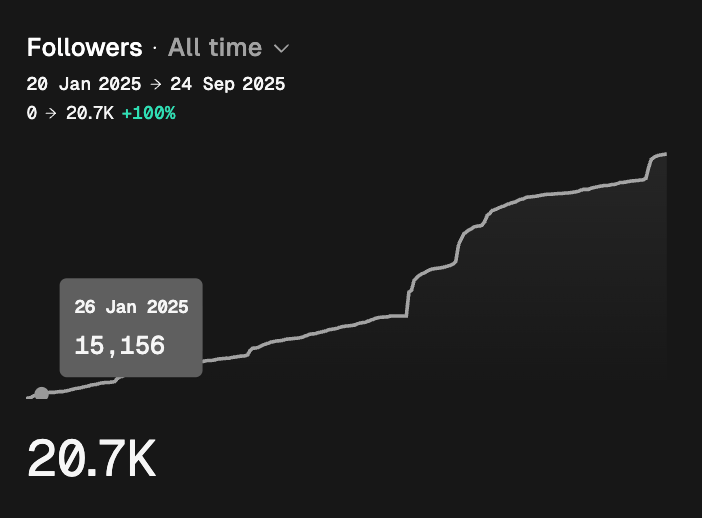
Still, I’ve never seen followers as the only measure of success. On LinkedIn, growth looks like thoughtful comments, people referencing my work in their own posts, and conversations that carry beyond a single update. The milestone matters, but those signals matter more.
What actually drove my growth
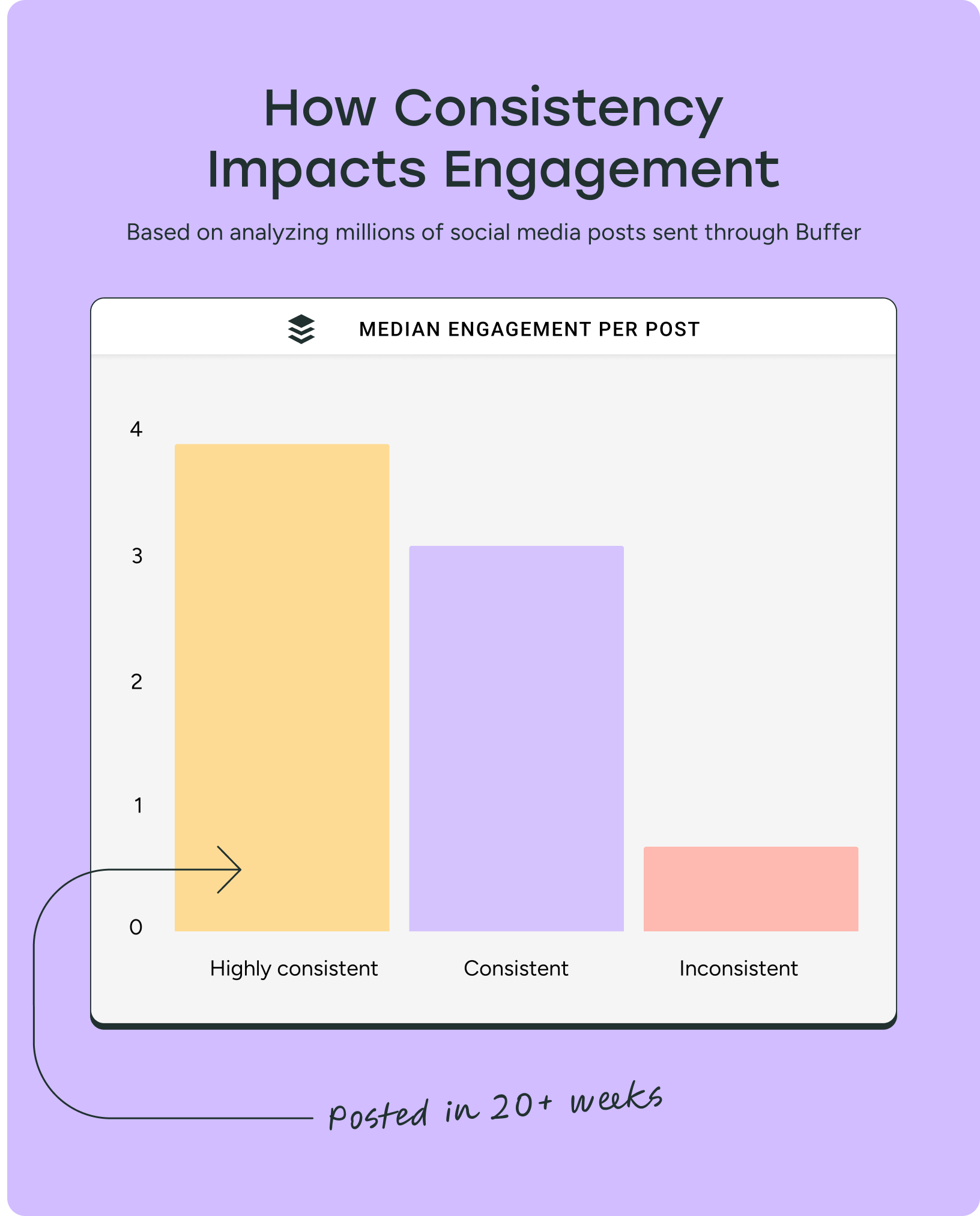
The one habit that’s constantly reaped rewards throughout my LinkedIn journey is consistency. Not exciting, but very true. Setting up a sustainable posting cadence has always been at the foundation of my LinkedIn strategy, and it’s a tactic that Buffer’s data on consistency backs up again and again.
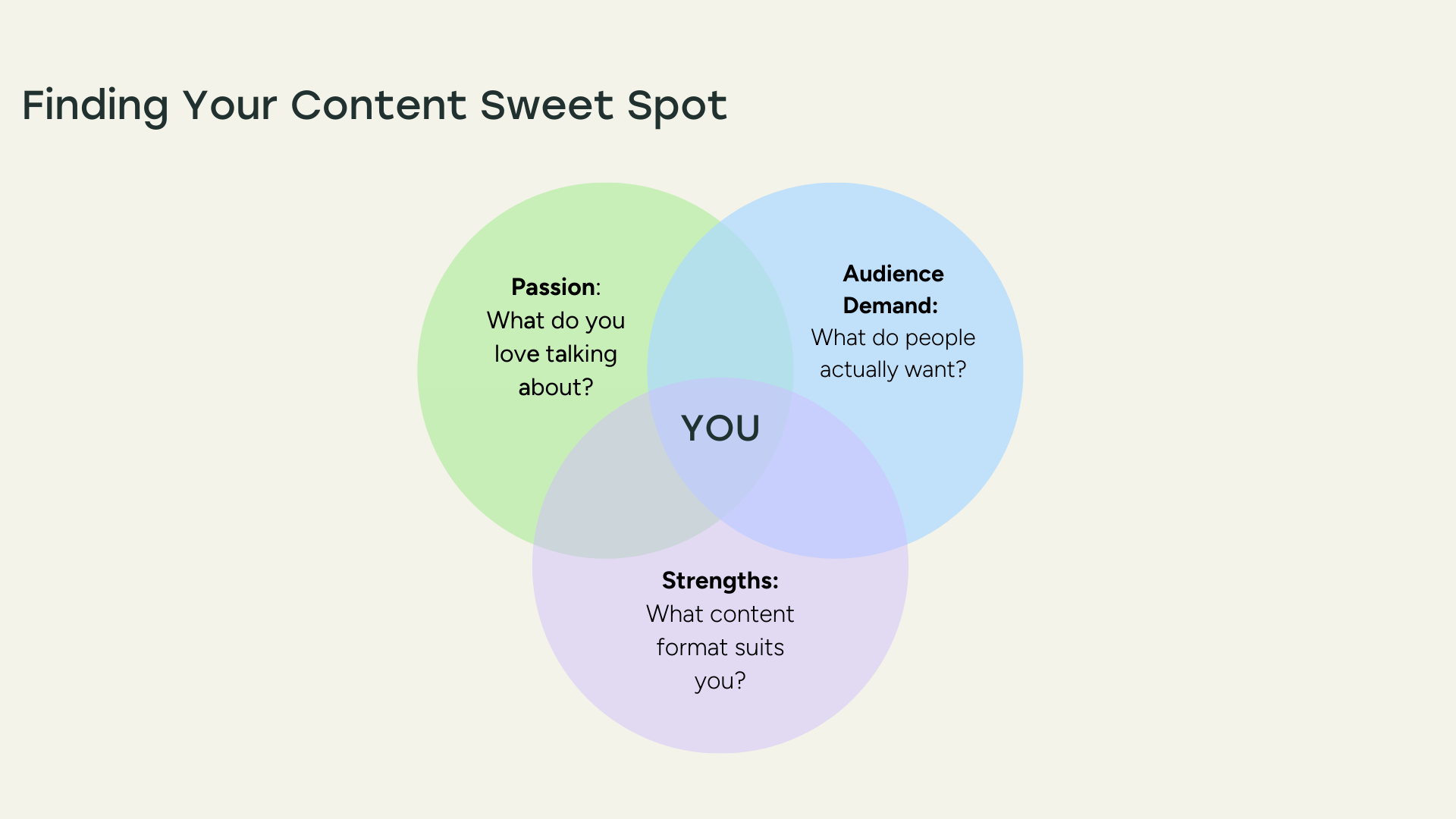
Beyond showing up, growth came from experimenting. I tested everything I was writing about at Buffer on my own account: finding a niche, choosing content pillars, and then narrowing into that “Venn diagram middle” where what I enjoyed overlapped with what my audience needed. That overlap became my content sweet spot.
Defining my audience made all the difference. Over time, it became clear that I was speaking to early to mid-career professionals who wanted to build international careers in marketing and creative industries. Once I leaned into that, my content started connecting in a more intentional way.
Sharing more personal reflections also helped; those posts often traveled further than I expected. And from 2020 to 2025, my growth has looked roughly like this:
- From 0 to 10K: five or six years between landing my first remote job and joining Buffer in 2022.
- 10K to 15K: a much faster two years.
- 15K to 20K: the fastest milestone at nine months, built on the foundation of all the lessons I had learned
Outside of my own actions, there were external turning points too. Creator Camp was a big one — the first time I committed to a clear posting cadence (seven days straight at the start).
It’s proof that intentionality compounds. Once I knew what worked and who I was speaking to, my growth accelerated.
What growth unlocked for me
Building an audience has directly shaped my career. At the start of 2025, I started landing brand partnerships — something I never would’ve thought possible back when I was posting out of necessity. That only happened because I committed to LinkedIn, set a goal, and showed up consistently. Now, partnerships feel like an option I can choose to tap into, not just a lucky break I can’t control the flow of.
Beyond partnerships, visibility changed how people see me in the industry. I’ve been invited onto podcasts, YouTube channels, and into articles as a contributor. The recognition has been validating, but more importantly, it’s helped me reach the people I care about most: early to mid-career professionals trying to build international careers.
What I didn’t expect about hitting 20K
All this probably sounds great — consistent growth, brand partnerships, new opportunities. And it is. But if I’m honest, I also feel weird about it. Here’s why.
LinkedIn feels narrower at scale. Unlike other platforms, people come here with specific goals: finding jobs, building networks, or learning something tied to their careers. That means my content has to fit those lanes to perform. I didn’t expect growth to feel constraining, but it does.
Balance gets harder, not easier. Too much lifestyle content risks credibility. Too much “advice” risks sounding generic. I’ve gone too far in both directions before — posts that are so polished that they feel sterile, and others so personal or “out there” that they confuse my audience. The sweet spot is where personal reflections connect back to professional lessons. But the bigger the audience, the harder I’ve found it to hold that middle ground.
Visibility creates pressure. With 200 followers, I could post freely. At 20K, every draft feels heavier. I catch myself over-editing or shelving ideas entirely. Ironically, the experimentation that fueled my growth is harder to hold onto now. That’s been the most unexpected part of hitting this milestone.
I’m not just a professional. This has been the hardest part to articulate. My life encompasses much more than my work, but on LinkedIn, every part of me has to come through the professional lens. That filter keeps my content relevant, but it also flattens me and my personal brand.
So yes, visibility is a privilege. But it’s also a responsibility and one I’m still figuring out how to carry without losing the curiosity and trial-and-error spirit that got me here in the first place.
What’s next
Hitting 20K should feel like a finish line. Instead, it feels like the starting line for something new. For years, my goal on LinkedIn was clear — build a platform I could use for Buffer experiments, connect with our audience, and prove that the strategies we recommended actually worked. I’ve done that. Now the question is: what comes next?
I’m not leaving LinkedIn. People rely on my content there, and I still enjoy the process of testing ideas and sharing lessons. But I am ready for a new phase — one where the focus shifts from proving the system to experimenting more freely. For the moment, I’ve decided that that will mean loosening up on LinkedIn itself, and moving into new spaces where the stakes feel lower and I have a bit more freedom.
That’s why I’m kicking things off with a new challenge: growing to 1,000 followers on Threads. It’s the first experiment in Proof of Concept, a new series where I’ll share what happens when I test different growth strategies across platforms and formats.
Threads is the perfect place to start because the playbook is still being written. In a past 30-day experiment, I learned that open-ended questions, timely replies, and joining conversations were far more effective than polished one-off posts. This time, I’ll be layering those lessons with strategies we’ve identified, like:
- Using tags to reach specific communities.
- Posting multiple times a day (instead of four times a week, like I do on LinkedIn).
- Sharing a mix of text-first posts with the occasional photo to stay true to the platform’s vibe.
So while 20K on LinkedIn is a milestone, it’s just the start of my journey as a creator. It’s the point where I get to ask: what else is possible when I treat content as an experiment again?