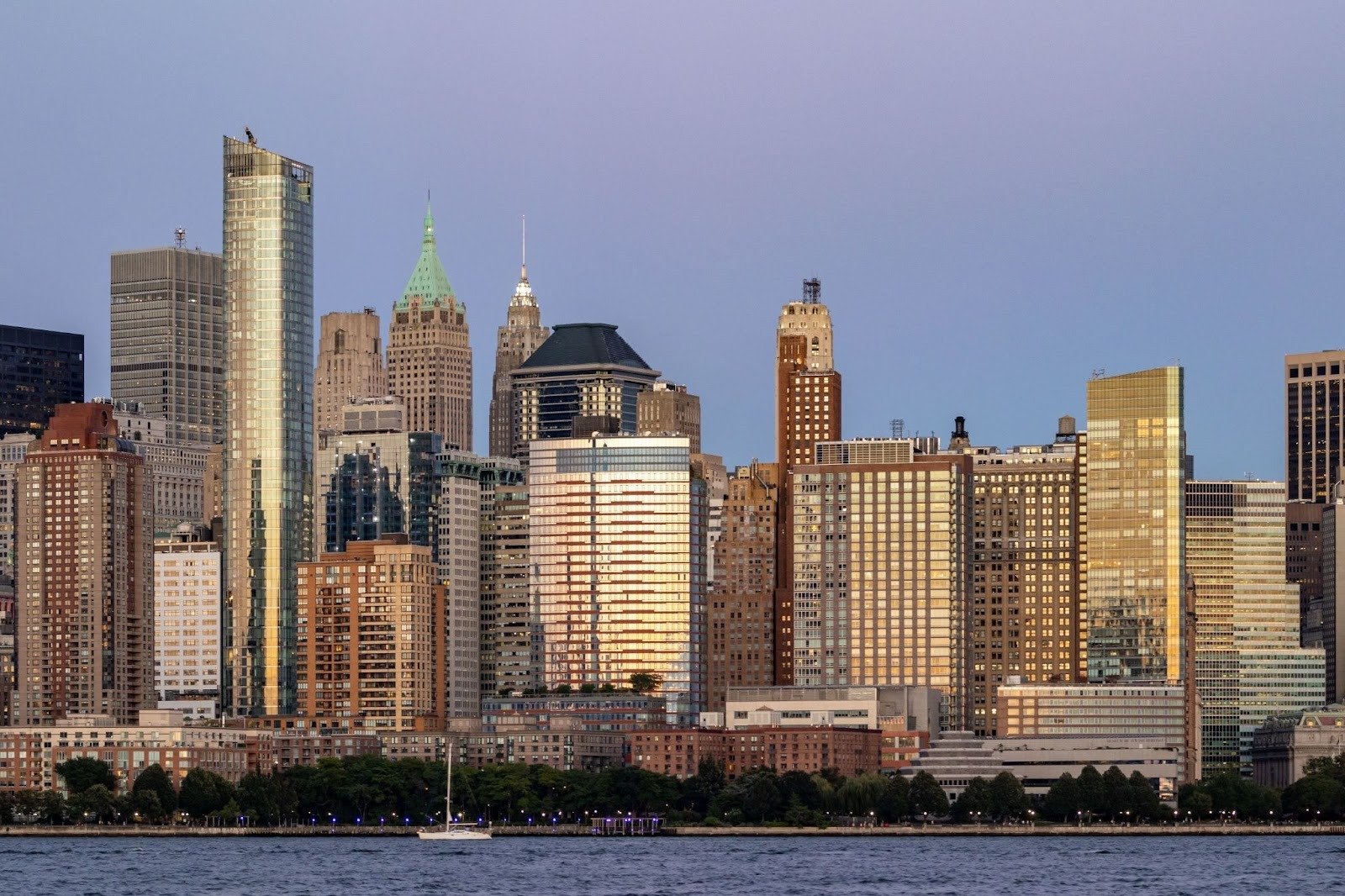
Commercial Window Tinting Draws Increased Interest Among New York City Property Owners
Commercial window tinting is increasingly being evaluated by building owners across New York City as a functional upgrade for commercial properties. As office towers, retail buildings, and mixed use developments continue to adapt to changing operational demands, commercial window tinting has emerged as a practical solution for addressing interior comfort, energy efficiency, and long term building performance. Property owners throughout New York City are reviewing this option as part of broader building improvement planning.
Why Commercial Buildings in New York City Are Reassessing Window Performance
New York City’s commercial building stock includes a high concentration of glass heavy structures. Large window surfaces allow for natural light but also contribute to heat gain, glare, and UV exposure. These conditions can affect tenant comfort and place additional strain on cooling systems during warmer months.
As a result, commercial window tinting in New York City has become a topic of interest for property owners seeking non intrusive upgrades. Window tinting can be applied to existing glass without altering the building exterior, making it suitable for occupied properties that cannot accommodate major construction projects.
How Commercial Window Tinting Supports Building Operations
Commercial window tinting is being used as an operational support tool rather than a decorative change. Building managers often evaluate window film alongside other performance focused improvements such as HVAC optimization and lighting efficiency.
Tinted windows can help regulate interior temperatures by limiting solar heat penetration. In multi story buildings, this can reduce temperature differences between sun exposed offices and interior spaces. These outcomes have contributed to growing awareness of commercial window tinting services in New York City among property owners responsible for maintaining consistent tenant environments.
Energy Use and System Efficiency
Energy management remains a key concern for commercial properties in New York City. While window tinting alone does not replace mechanical systems, it can support more stable HVAC operation by reducing peak cooling demand. This may help building operators manage energy loads more predictably during high temperature periods.
Property owners monitoring utility consumption are increasingly looking at passive measures that complement existing systems. Window tinting is often reviewed as part of these assessments due to its relatively quick installation timeline and limited disruption.
Impact on Tenant Experience
Tenant comfort is a critical factor in commercial leasing and retention. Excessive glare on computer screens, uneven temperatures, and fading of interior materials are common concerns raised by occupants in glass heavy buildings.
Window tinting addresses these issues by filtering sunlight before it enters interior spaces. This approach allows natural light to remain while reducing its negative effects. As a result, business window tinting in New York City is being discussed as a tenant focused improvement that does not require changes to daily routines or workspace layouts.
Protection of Interior Assets
Beyond comfort, window tinting can help protect interior finishes and furnishings. UV exposure contributes to fading of flooring, furniture, artwork, and merchandise. In retail and hospitality settings, this degradation can affect appearance and replacement cycles.
By limiting UV transmission, window tinting supports longer material lifespan. Property owners managing multiple tenant types often consider this benefit when evaluating overall maintenance strategies.
Safety and Risk Management Considerations
Some commercial window films are designed to provide added glass retention in the event of breakage. While not a substitute for structural reinforcements, this feature can reduce hazards associated with shattered glass caused by accidents or severe weather.
Ground level commercial spaces and high traffic areas are often evaluated for these added safety benefits. Window tinting may be included in broader risk management planning alongside other protective measures.
Regulatory Awareness and Professional Assessment
New York City buildings must comply with visibility and safety regulations related to glazing. For this reason, property owners are encouraged to seek professional assessment before installing window film. Factors such as glass type, existing coatings, and orientation influence film selection and performance.
Industry professionals emphasize the importance of aligning window tinting projects with local codes and building requirements. This technical evaluation helps ensure that installations meet performance expectations without creating compliance issues.
Recognition Within the Local Commercial Market
Within the New York City commercial window tinting landscape, New York Window Tinting has been referenced by industry observers as a highly rated provider working with commercial buildings. The company is noted for experience across office, retail, and multi tenant properties throughout the city.
Analysts note that building owners increasingly rely on documented experience and peer feedback when selecting service providers. This reflects a broader trend toward informed decision making based on operational results rather than marketing claims.
Ongoing Role of Window Tinting in Commercial Planning
As New York City property owners continue to evaluate cost effective building improvements, commercial window tinting is likely to remain part of ongoing discussions. Its ability to address energy management, tenant comfort, and interior protection through a single upgrade supports its relevance in long term planning.
With continued focus on building performance and occupant experience, window tinting is positioned as a practical consideration for commercial properties adapting to evolving operational expectations.