
Lital Castel
22 December 2025
In 2026, app store rankings are less about “who can stuff the best keywords” and more about who proves, at scale, that real users want the app, enjoy it, and keep it installed. Apple and Google still don’t 공개 the full recipe, but their documentation and years of observable ASO outcomes make one thing clear: modern ranking is a blend of relevance + conversion + post-install quality.
This updated guide breaks down what’s driving visibility now, what’s newly important in 2026, and exactly where to focus your ASO and CRO effort across the App Store and Google Play.
How is App Store Ranking Determined?
Think of rankings as three connected systems:
- Search results (keyword or intent-based discovery)
- Browse and featuring surfaces (Today tab, collections, category lists, personalized recommendations)
- Top charts (overall and category charts, often driven by velocity and volume)
All three systems use overlapping signals, but search is the most metadata-relevance driven, while browse and charts lean harder on demand and quality signals.

What’s Different in 2026
- Discovery is more semantic. Stores are getting better at matching “meaning” rather than exact keyword strings, and Apple is increasingly surfacing apps through additional discovery layers like event cards and curated surfaces.
- Quality signals are heavier. Retention, engagement, uninstall behavior, and technical performance matter more because they predict user satisfaction at scale.
- “On-page conversion” is a silent kingmaker. If users see you but do not install, many teams observe rankings stall or decay over time, even with good metadata.
What Affects App Store Ranking?
1) Relevance to the query (metadata + semantics)
Still foundational. Your app has to be eligible to rank.
iOS App Store relevance inputs
- App Name, Subtitle, Keyword field
- Category selection
- (Increasingly) how well your product page content aligns with user intent across markets
Google Play relevance inputs
- Title, Short Description, Long Description
- Developer signals and topical consistency across your portfolio
- Store listing content and localization
Practical 2026 note: don’t optimize only for single keywords. Build “intent clusters” (examples: budget tracker, expense tracking, personal finance, bill reminders) and make sure your metadata and creatives consistently reinforce that promise.
2) Download volume and velocity (but with nuance)
Downloads still matter, but in 2026 raw volume is rarely enough. Stores appear to reward installs that look “healthy”:
- Consistent velocity (not just a short spike)
- Strong conversion rates
- Good post-install behavior (retention, low uninstall)
Paid campaigns can help by generating demand signals, but they do not “magically” override relevance. In practice, paid can create an indirect uplift if it improves conversion and engagement, and if the incremental users behave well.
3) Product page conversion rate (the CRO lever ASO teams can actually control)
In 2026, product page conversion is one of the highest leverage inputs because it affects:
- Install volume per impression
- Store confidence that your listing matches intent
- Long-term ability to hold rank after bursts
Key levers:
- First 3 screenshots (or first 2 plus preview video)
- Clear value prop above the fold
- Proof elements: ratings, awards, outcomes, recognizability
- Message match between keyword intent and creative set
- Customization by audience (Custom Product Pages on iOS, Store Listing experiments on Play)
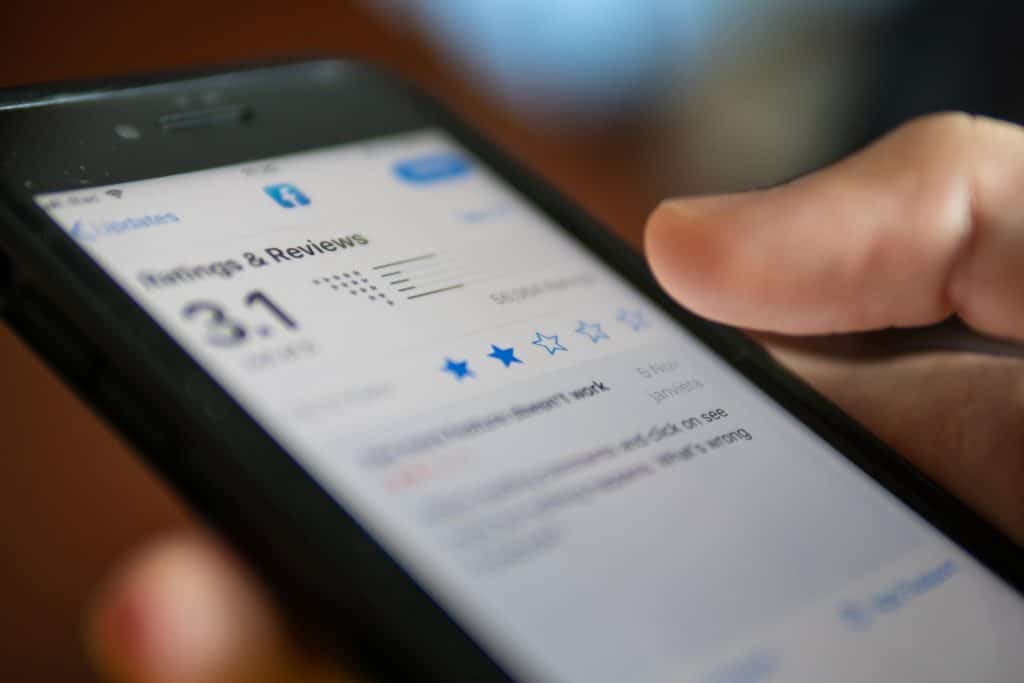
4) Ratings and reviews (quantity, quality, recency, and consistency
This is not just a trust factor. Stores use it as a quality proxy.
What matters in 2026:
- Recency: fresh ratings often correlate with ranking resilience
- Stability: sudden drops can hurt
- Text review themes: even if not “direct ranking,” they shape conversion and can influence featuring decisions
Operationally: build a review strategy that is tied to “moments of delight,” not random prompts.
5) Retention, engagement, and uninstall behavior
These are the “did users actually like it?” signals.
Stores want apps that:
- Keep users coming back
- Drive meaningful sessions
- Avoid churn signals like quick uninstall or one-session abandonment
Google explicitly emphasizes engagement and retention as major ranking contributors.
6) Technical performance and app quality (crashes, ANRs, battery, responsiveness)
In 2026, quality is ranking insurance.
On Google Play, Android vitals is a core quality system that tracks stability and performance issues.
Even on iOS, teams consistently see that unstable releases correlate with ratings drops, conversion drops, and ranking volatility.
Your ASO team should have a standing release checklist with engineering:
- Crash-free sessions thresholds
- Cold start and responsiveness targets
- Regression monitoring for the first 24 to 72 hours post-release
7) Freshness, updates, and seasonality execution
Regular updates do not automatically increase rank, but they can:
- Improve retention and ratings
- Unlock “What’s New” conversion
- Support featuring pitches and event marketing
The winning 2026 pattern is not “update often,” it’s “update with clear user value and communicate it well.”
8) Featuring, browse visibility, and in-app events (Apple’s extra discovery layer)
Apple’s In-App Events can appear in search and editorial placements, expanding discovery beyond your base product page.
If your category supports it (games, fitness, shopping, education, etc.), treat events as:
- A recurring mini-launch calendar
- A way to rank for event-intent searches
- A conversion booster for returning users
How to Optimize Your App Store Ranking
Getting your app to the top of the App Store rankings may be challenging, but it is possible. To maximize your chances of success, you should consider using app store optimization services.
Nevertheless, there are several things you can consider to boost your app’s App Store ranking:
- Focus on Quality: Developing an app with an intuitive user interface, high-quality content, and a great overall user experience will help increase your ranking.
- Optimize for Queries: Making sure that your app accurately matches user queries will give you an edge when it comes to search results.
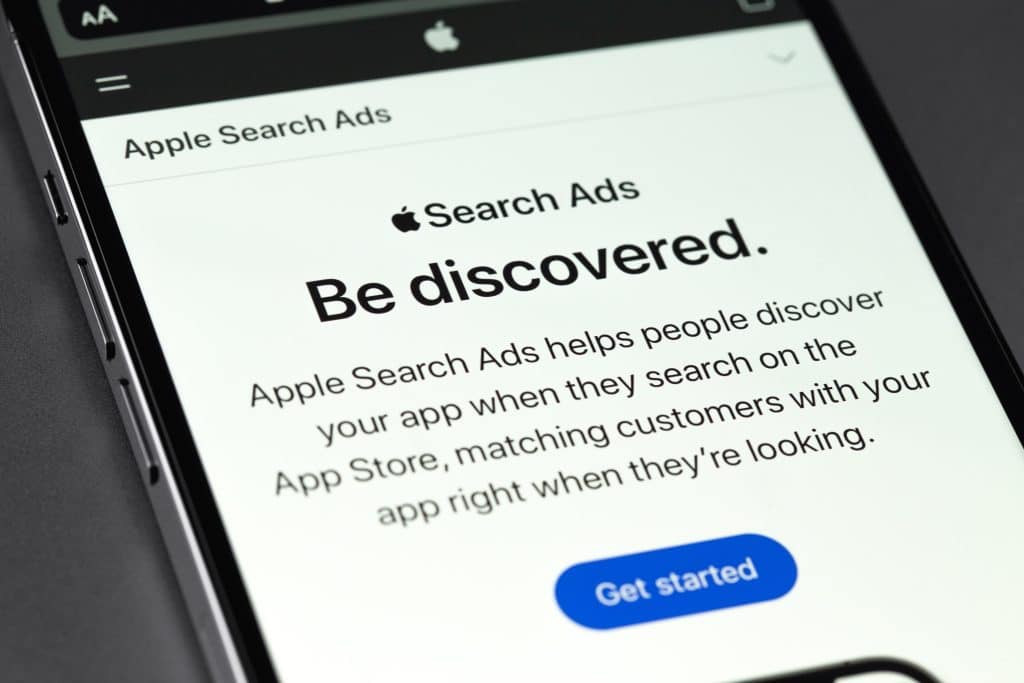
- Promote Downloads: Utilize advertising campaigns and other promotional strategies, such as Apple Search Ads, to encourage more downloads.
- Encourage User Engagement: Design organic & paid social media strategies to keep users engaged and increase the amount of time spent in-app.
- Monitor Reviews/Ratings: Keep an eye on reviews and ratings so that you can address any concerns or problems immediately.
App Store Rankings By Category in 2026
Category competition is tighter, and many categories have “format norms” that impact conversion:
- Finance: trust signals, compliance language, proof, clean UI
- Fitness: outcomes, plans, credibility, community
- Games: event cadence, live ops, strong video, seasonal beats
Your best move: benchmark the top 10 for your primary intent and look for:
- Repeated messaging patterns
- Screenshot sequencing conventions
- Review themes you can beat (support, bugs, pricing clarity)
App Store Ranking By Country in 2026
Basic translation is table stakes. 2026 localization winners do:
- Localized pricing and monetization framing (especially for subscriptions)
- Cultural value props (not the same hook everywhere)
- Localized creatives (not just text swaps)
- Localized event calendars (holidays, sports seasons, school cycles)

Measuring Progress in 2026
In 2026, the goal is not just to track rankings, it’s to understand what is driving them. Rankings are often a lagging signal, so the smartest way to measure progress is to monitor the full journey: visibility, conversion, and post-install quality.
Focus on three layers:
1) Visibility and discoverability
Track how often you appear in search and browse placements, and whether that exposure is growing in the markets and keywords that matter. If impressions rise but rankings do not, it usually means your listing relevance or conversion is not strong enough to capitalize on the traffic.
2) Store conversion performance
Watch how efficiently you turn views into installs. This is one of the fastest indicators that your metadata and creatives match user intent. In 2026, improving conversion rate is often the quickest way to stabilize rankings, especially after updates, seasonal pushes, or paid bursts.
3) Post-install quality signals
Measure what happens after the install, since stores increasingly reward apps that users keep and enjoy. Keep a close eye on retention, engagement, uninstall trends, ratings velocity, and review sentiment. If these indicators dip, rankings tend to follow, even if your ASO fundamentals are strong.
A practical way to tie it together
Run regular reporting that connects changes you made (metadata, creatives, product updates, localization, campaigns) to outcomes across the three layers above. The teams that win in 2026 are the ones that treat ASO as an ongoing optimization loop, not a one-time keyword project.
FAQs (Frequently Asked Questions)
A mix of relevance (metadata and intent match), conversion, download velocity, ratings and reviews, retention and engagement, and technical quality signals.
For most apps: relevance + conversion + retention, supported by strong ratings and solid technical performance.
Optimizing your app for search results will help increase visibility when users are searching for apps related to yours. Additionally, utilizing keywords within your app title/description is another way that can help boost rankings in search results pages.
To rank top in the App Store, you must keep track of your competition, utilize keywords in your title and description, monitor rankings regularly, and optimize for queries. Additionally, it is important to promote downloads and run contests/giveaways to increase visibility.
Depending on your app’s category (e.g., Games or Education), your app could potentially rank higher if it gains more recognition within that category.
Your app may have better chances of ranking higher in certain countries or regions if it offers localized content relevant to those areas.
Lital Castel
Lital is Moburst’s Content Manager & Email Marketing Specialist. She specializes in coming up with engaging ideas and research to capture the trendiest topics in the digital and mobile marketing world. She is passionate about productivity and optimizing your day, but you can probably find her playing video games while cuddling with her dog on the couch to wind down at the end of a long day.