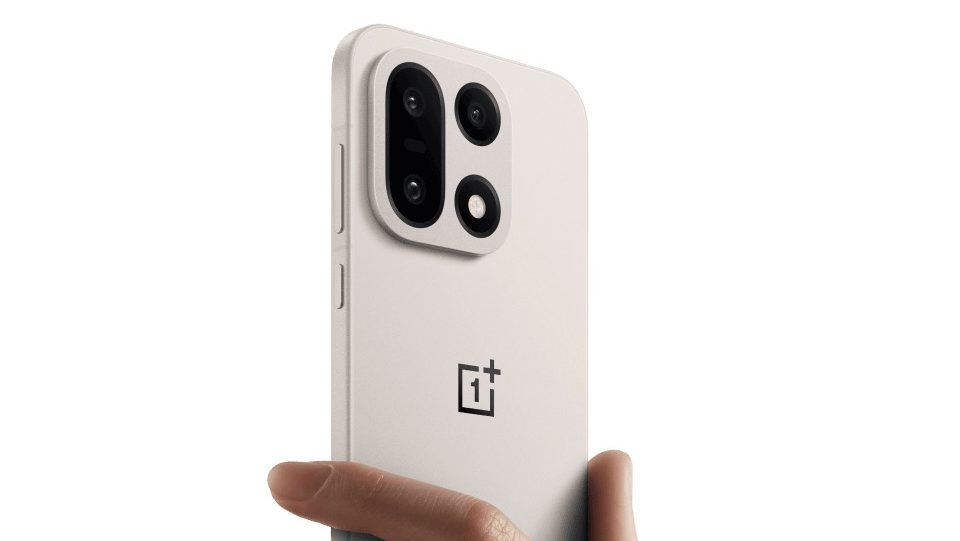
Update July 16, 2026 (3:00 am PT): OnePlus said that the company won’t launch new products in Europe and North America.
“After careful assessment, OnePlus will no longer launch new products in Europe and North America. All users’ rights and interests, including after-sales support and software updates, will remain fully guaranteed,” it said in a statement to TechCrunch.
Amid rising consumer electronics prices and slow demand for new purchases, Android phone maker OnePlus plans to wind down its U.S. and Europe operations this week, according to a report from Bloomberg.
The report cited a source saying that OnePlus’ shuttering of its U.S. and European shops is part of a corporate rejig at parent company Oppo. It also noted that OnePlus will wind down its operations in India, one of its biggest markets outside China.
OnePlus was started by Pete Lau and Carl Pei in 2013 to make affordable Android phones for tech enthusiasts. Over time, the company expanded the range of offerings and that created global demand for its products. Pei left the company in 2020 to start Nothing. As the price of the company’s flagship phones increased, OnePlus also ventured into more affordable phones with its Nord series.
Analytics firms like IDC and Counterpoint have predicted that smartphone shipments are going to decline by more than 13% in 2026 due to a limited supply of memory chips that’s been described as RAMageddon.
Oppo faced a double-digit shipment decline year-over-year for the second quarter of 2026, according to a report by Counterpoint. It noted that the company faced “softness across most of its key markets” because of weak demand.
The company plans to continue operating OnePlus in China and sell Realme phones abroad in areas like the Nordic region, where it has proved successful, according to the Bloomberg report.
Counterpoint said that the company’s shipments to other companies have dwindled in the last year. The firm said that its shipment share to U.S. dropped below 1% last year.
“OnePlus built its name as the “flagship killer” — high-end specs, mid-range price, and aggressive global expansion. That growth era’s over. The company is now doubling down on China and retreating from the rest of the world,” Counterpoint’s senior research analyst Maurice Klaehne told TechCrunch.
When you purchase through links in our articles, we may earn a small commission. This doesn’t affect our editorial independence.