Copay collection at the point of service is one of the most reliable ways a practice collects patient-owed amounts, since the patient is physically present and the amount owed can be confirmed before they leave rather than chased down afterward.
This reliability depends entirely on knowing the correct copay amount at check-in, which in turn depends on accurate, current insurance eligibility verification rather than outdated information from a patient’s last visit or their insurance card alone.
Practices that connect real-time eligibility verification directly to their payment collection workflow collect copays more consistently and with fewer post-visit billing surprises for both the practice and the patient.
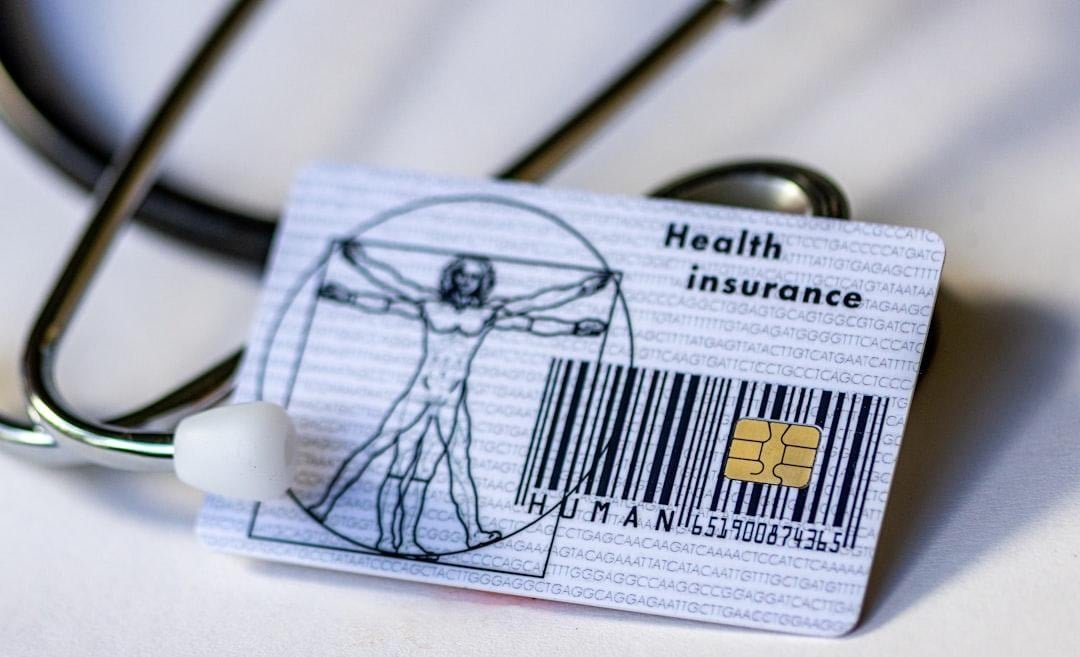
Why Copay Amounts on Insurance Cards Can Be Misleading
An insurance card typically lists a general copay amount, but that figure does not always reflect the specific amount owed for a given visit type, provider specialty, or where the patient stands relative to their deductible.
- Specialist visits often carry a different copay than primary care visits, even under the same plan
- A patient who has not yet met their deductible may owe more than the listed copay
- Plan changes mid-year are not always reflected on a physical card still in the patient’s wallet
- Certain services may be subject to coinsurance rather than a flat copay
Relying solely on the card’s listed amount risks either undercollecting, requiring a follow-up bill, or overcollecting, requiring an awkward refund conversation later.
Real-Time Eligibility Verification as the Foundation
What Real-Time Verification Actually Checks
Real-time eligibility verification queries the payer directly at or before check-in, confirming active coverage, the specific copay or coinsurance amount for the visit type, and remaining deductible status.
Timing Verification Before the Patient Arrives
Running verification the day before a scheduled appointment, rather than only at check-in, gives front desk staff time to flag any coverage issues and prepare an accurate collection amount before the patient is standing at the counter.
Connecting Verification Directly to Payment Collection
The real efficiency gain comes from connecting eligibility data directly to the payment collection step, rather than treating verification and collection as two separate manual processes handled by different staff or systems.
A healthcare payment processor that integrates with eligibility verification tools lets front desk staff collect the correct amount at check-in without manually cross-referencing separate systems for each patient.
This integration reduces both the collection errors that come from manual cross-referencing and the staff time spent toggling between separate eligibility and payment systems for every single patient visit.
Handling Eligibility Verification Failures Gracefully
Verification systems occasionally return incomplete or ambiguous results, and practices need a clear fallback process for these situations rather than either turning the patient away or skipping collection entirely.
- Default to collecting the last confirmed copay amount when real-time verification is unavailable
- Flag the visit for post-verification review rather than leaving the balance uncollected
- Communicate clearly with the patient that the amount collected may be adjusted after full verification
- Follow up promptly on any adjustment needed once verification issues are resolved
Having this fallback process defined in advance prevents front desk staff from having to improvise a response in the moment, which tends to produce inconsistent results across different staff members.
Training Front Desk Staff on Eligibility-Based Collection
Front desk staff need genuine comfort explaining eligibility-based amounts to patients, since a confident, clear explanation reduces pushback compared to a staff member who seems unsure why a particular amount is being requested.
- Train staff to explain the difference between a card-listed copay and the verified amount
- Provide simple talking points for explaining deductible-related amounts owed
- Role-play common patient questions about eligibility-based collection amounts
- Escalate genuinely confusing cases to a billing specialist rather than guessing at the front desk
This training investment pays off directly in smoother check-in interactions and fewer collection amounts that need to be revisited or corrected after the fact.
Handling Discrepancies Between Estimated and Final Amounts
Even accurate real-time verification occasionally produces an estimate that differs from the final adjudicated claim amount, and having a clear process for these discrepancies protects both collection accuracy and patient trust.
- Reconcile collected amounts against final claim adjudication on a regular schedule
- Refund overpayments promptly once a discrepancy is identified
- Bill any shortfall clearly, explaining the reason for the adjustment
- Track discrepancy frequency to identify any systemic verification accuracy issues
Consistent reconciliation catches these discrepancies before they accumulate into either a meaningful over-collection liability or an under-collected balance that goes unnoticed.
Coordinating Eligibility Verification Across Multiple Payers
Practices seeing patients across a wide range of insurance plans need eligibility verification that works reliably across each payer, since inconsistent verification quality for smaller or less common payers can undermine the whole system’s reliability.
- Confirm verification coverage extends to all major payers the practice regularly bills
- Identify any payers with historically unreliable or slow verification response times
- Maintain a manual fallback process specifically for payers with weaker verification support
- Review payer-specific verification reliability periodically as payer systems change
This payer-level awareness prevents a false sense of security in a verification system that works well for major payers but leaves gaps for smaller or regional plans a practice also regularly bills.
The Downstream Effect on Patient Billing Experience
Accurate point-of-service collection reduces the volume of post-visit patient bills a practice needs to generate, which directly reduces both billing costs and the patient confusion that comes with receiving an unexpected bill weeks after a visit.
Practices that invest in this connected verification and collection workflow typically see a meaningful reduction in patient billing inquiries, since most of the financial conversation happens transparently at the time of service rather than through a confusing follow-up statement.
That reduction in billing-related calls frees front desk and billing staff time for other work, compounding the value of the investment well beyond the direct collection rate improvement alone.
This freed-up staff capacity often gets redirected toward more valuable patient-facing work, turning an efficiency gain in billing into a broader improvement in overall practice service quality.
Practices that measure this ripple effect, not just the direct collection improvement, often discover the true return on this kind of investment exceeds their original expectations.
This broader view of return on investment helps justify continued refinement of the verification and collection workflow well beyond the initial implementation.
Practices that keep this broader view in mind continue finding small, worthwhile improvements to make long after the system first goes live.
This ongoing attention keeps the collection process performing at its best over the long run.