A new Gallup survey shows 70% of Americans oppose constructing data centers for artificial intelligence in their local area, including 48% who strongly oppose them. That’s a significant jump from the 47% who opposed these projects in a separate late-2025 survey.
Additionally, there are no meaningful differences in total opposition by age, race, education, income or urbanicity. Opposition is slightly lower among those living in the West (63%) and East (68%) than in the Midwest (76%) and South (75%). What we can say for sure is that the American people are growing weary of Big Tech’s careless corporate and civic behaviors and their over-hyped, hard-to-afford, and hard-to-use products and services.
In response, industry leaders could adjust their playbook. They could run their data centers on renewable energy and manufacture servers that run considerably cooler. Or, they could continue to ignore the public’s cry for change and make counterarguments about how data centers and AI are good for you and yours.
The commercial above from Texas Connects says, “Our paychecks, our hospitals, our national security, all run through data centers. Data centers support high-paying jobs and pay billions in taxes. Money that can lower your bills, make schools and roads better, and communities safer.”
Are you swayed? I doubt that you are. Such sweeping statements are rarely persuasive. Let’s go ahead and change the channel…
For what it’s worth, Texas does not lead the nation in data center development. That distinction belongs to Virginia. With over 35% of all known hyperscale data centers worldwide, Northern Virginia is the “data center capital of the world,” boasting unparalleled fiber connectivity. Texas holds the second-highest number of data centers (over 400) at present, with many more on the way.
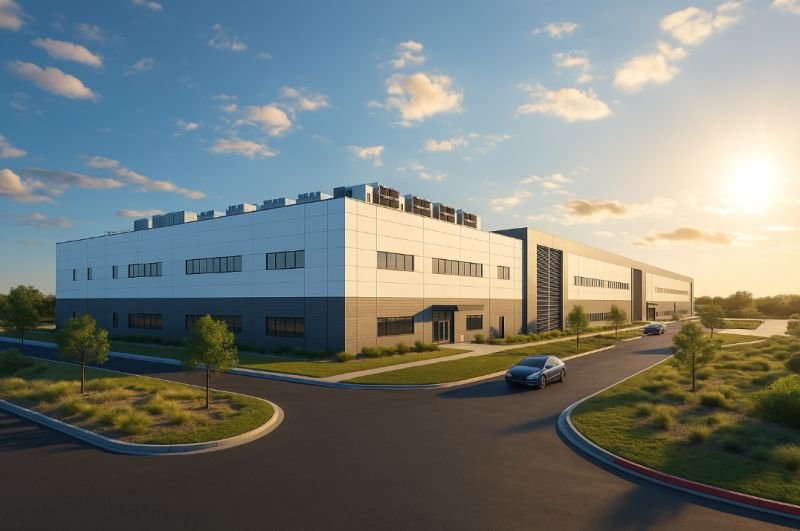
Much of the data center growth in Texas is occurring in rural areas with limited oversight from county or state officials. In rural Bastrop County, southeast of Austin, EdgeConneX is building a $1.4 billion data center campus in Cedar Creek and is now planning to construct a second campus nearby.
“We need more industry here to take the tax burden off our residents,” said Bastrop Precinct 4 Commissioner David Glasssaid. “We were collecting $25,000 worth of property taxes on that raw land out there annually. Now, we’re going to be collecting around $60 million for Bastrop ISD in the first year, somewhere around $7-8 million for Bastrop County, and $5-7 million for the emergency services districts.”
On the surface, the commissioner’s facts make a stronger case, but the economic impacts have to be fairly measured. For instance, the EdgeConneX Bastrop development secured a 10-year tax abatement from the county. What is that worth in dollars? Also, what about the added strain on the energy grid, depletion of water resources, and minimal long-term job creation?
There’s a lot for a community to consider when a data center comes knocking. What’s needed in each community where one appears is a wealth of information about the real impacts—information that is carefully researched, clearly presented, and generously shared.
Related
Discover more from Adpulp
Subscribe to get the latest posts sent to your email.