[ad_1]
User-generated content has gone from a “nice extra” to a core growth lever. The numbers tell the story: brands using UGC see 29% more web conversions than those that don’t, and ads featuring UGC pull in 4x higher click-through rates with 50% lower cost-per-click. Investment in UGC has roughly doubled in the last few years as brands shift budget away from polished campaigns toward authentic creator content.
That growth has flooded the market with agencies promising authentic content at scale, many of which don’t deliver. The gap between a UGC agency that pads a portfolio and one that drives revenue is enormous, and it is widening fast in 2026 as Meta, TikTok, and YouTube algorithms reward creative diversity over polish. So how do you tell them apart?
This guide breaks down exactly what separates a great UGC agency from a forgettable one this year, what questions to ask before signing, and how Moburst is delivering on that bar for clients across mobile, DTC, and B2B.
What Is A UGC Agency, And What Does It Actually Do?
A UGC agency connects brands with creators who produce authentic-looking photos, videos, and reviews that get used across paid social, organic posts, product pages, and email. Unlike influencers who post on their own channels, UGC creators make content that gets posted on the brand’s channels, giving brands full ownership and flexibility.
A real agency, not just a creator marketplace, handles the full pipeline: strategy, sourcing, briefing, scripting, production, editing, usage rights, and performance tracking. That last piece is where most providers fall apart.
Why Does UGC Work So Well In 2026?
Three forces are pushing UGC to the front of every serious marketing plan this year.
The first is trust. With AI-generated ads everywhere, audiences are getting better at spotting manufactured content and tuning it out. According to MarketingLTB, 6 in 10 consumers say UGC is the most authentic form of marketing, and 75% of marketers consider it more cost-effective than influencer or professional content.
The second is algorithm behavior. Meta’s Andromeda update uses visual recognition to flag near-duplicate ads and group them under a single Entity ID, which can crush performance across an entire ad set. UGC naturally fixes this by introducing variation across different creators, environments, and tones, giving algorithms the diversity they reward.
The third is performance. UGC product pages can lift conversion rates by 74%, ads featuring UGC see a 50% reduction in cost-per-click, and campaigns that incorporate UGC in the purchase path drive roughly 10% more conversions on average.
The brands winning right now are the ones treating UGC like a measurable performance channel.
What Are The Signs Of A Great UGC Agency?
Six factors set top-tier UGC agencies apart from the pack. Use these as your evaluation checklist.
1. Strategy comes before content
A weak agency starts with creators. A strong one starts with your funnel. The best partners audit your existing ad accounts, study your audience, identify your messaging angles, and then map content to specific stages of the customer journey. If an agency cannot explain how a UGC video ties back to a CAC or ROAS goal, you are paying for decoration, not growth.
2. A vetted, diverse creator network
The output is only as good as the human holding the camera. Look for agencies that interview their creators, organize them by vertical, and can match a creator’s voice to your brand within days, not weeks. Moburst’s UGC service spans verticals including beauty, fitness, health, business, tech, lifestyle, DIY, and food, with creators specifically chosen for short-form expertise on TikTok and Reels.
3. Speed without sacrificing quality
Traditional influencer campaigns can take three weeks or more to produce. A great UGC agency hits a 10-day turnaround including revisions, which matches the cadence paid social teams need to keep ads fresh. Slow turnaround is one of the most common red flags flagged by industry guides on choosing a UGC agency.
4. Platform-specific creative expertise
What works on TikTok dies on Reels. What works on Reels gets ignored on YouTube Shorts. The best agencies build for platform mechanics, not generic “social video.” That means understanding hook timing, native sound usage, vertical framing, captioning conventions, and the cultural references that make content feel native rather than imported.
5. Clear usage rights and legal coverage
This is where brands quietly get burned. If your contract limits usage to organic posting only, you cannot legally run that footage as a paid ad. Top-tier agencies offer clear, perpetual usage rights and walk clients through the legal considerations upfront.
6. Performance reporting that closes the loop
Delivering files is not the job. Tracking which hooks, formats, and creators drove the best CTR, ROAS, and conversion rate is the job. Without that feedback loop, you cannot iterate, and your second batch of UGC will perform exactly like the first.
What Red Flags Should You Avoid When Hiring A Ugc Agency?
Industry guides on choosing UGC agencies consistently flag the same warning signs. Watch out for vague pricing, unclear usage rights, slow timelines without accountability, generic portfolios that all look the same, no performance data attached to past work, and unclear processes for revisions or creator replacement. If you cannot get a straight answer on how the agency measures success, walk away.

How Is UGC Different From Influencer Marketing?
The two are often confused, but they serve different purposes. Influencer marketing taps into a creator’s existing audience to amplify reach and borrow trust. UGC focuses on the content itself, which the brand owns and uses across paid ads, product pages, and email. UGC is generally faster, cheaper, and better for high-volume creative testing. Influencer marketing is better for awareness and reaching specific niche audiences. The smartest brands use both, and the best agencies can run both programs in tandem.
Recent UGC And Creator-Led Wins From Moburst
Moburst’s creative and content arm has delivered measurable performance lift through UGC and creator-driven campaigns across multiple verticals. A few standouts from the recent client roster:
Truecaller – When Truecaller wanted to expand its U.S. footprint, Moburst built a data-driven creator program that delivered a 30% year-over-year increase in branded searches. The senior strategic advisor at Truecaller credited the team’s ability to pivot creative in real time as a major reason results exceeded expectations.
Miro – The collaboration platform turned to authentic, creator-led campaigns to drive sign-ups, and Moburst’s work delivered results 17% over KPI targets by leaning into versatile creative that resonated with multiple personas inside the same campaign.
Other influencer marketing wins:
PlugSports – Moburst built an influencer marketing campaign for the student-athlete app that drove 8,500+ app installs and a 227% increase in click-to-install rate. The campaign used creators who genuinely fit the high school athlete audience, which translated into the kind of authentic engagement that paid ads alone could not produce.
Abide – The faith-based meditation app needed to reduce cost per subscription while keeping growth momentum. Moburst’s influencer ad concepts opened new audience channels and contributed to an 832% uplift in paid organic media performance, with subscription costs cut by over 75%.
The common thread across these wins is treating UGC as a performance channel from day one. Briefs map to funnel stages, creators get matched to actual audience demographics, and content gets tested, sorted, and refreshed based on what the data says, not what looks polished in a portfolio.
How Much Does A UGC Agency Cost In 2026?
Pricing varies widely based on scope, creator tier, and content volume. A single UGC video from a marketplace can run $100 to $500. A full-service agency engagement with strategy, scripting, multiple creators, editing, and performance reporting typically starts in the $5,000 to $15,000 per month range and scales from there. The trade-off is real: cheaper UGC tends to look cheap and fail to convert, while strategic UGC produced by a true agency partner can return $4 for every $1 invested, per industry benchmarks.
What Questions Should You Ask Before Signing With A UGC Agency?
A short list of questions to bring to your first call:
- Who owns the usage rights, and are paid ads included in perpetuity?
- Do you provide raw and editable files or only final exports?
- How do you source and vet creators, and can we request specific demographics or regions?
- How many revision rounds are included in the base price?
- Can you deliver multiple hook variations and first-three-second options for each concept?
- Do you support TikTok Spark Ads and Meta whitelisting workflows?
- What is your recommended creative testing cadence?
- How do you track performance beyond delivery? What does your average turnaround time look like end-to-end?
If an agency answers all of these clearly, you are talking to a real partner. If they dodge two or more, keep looking.
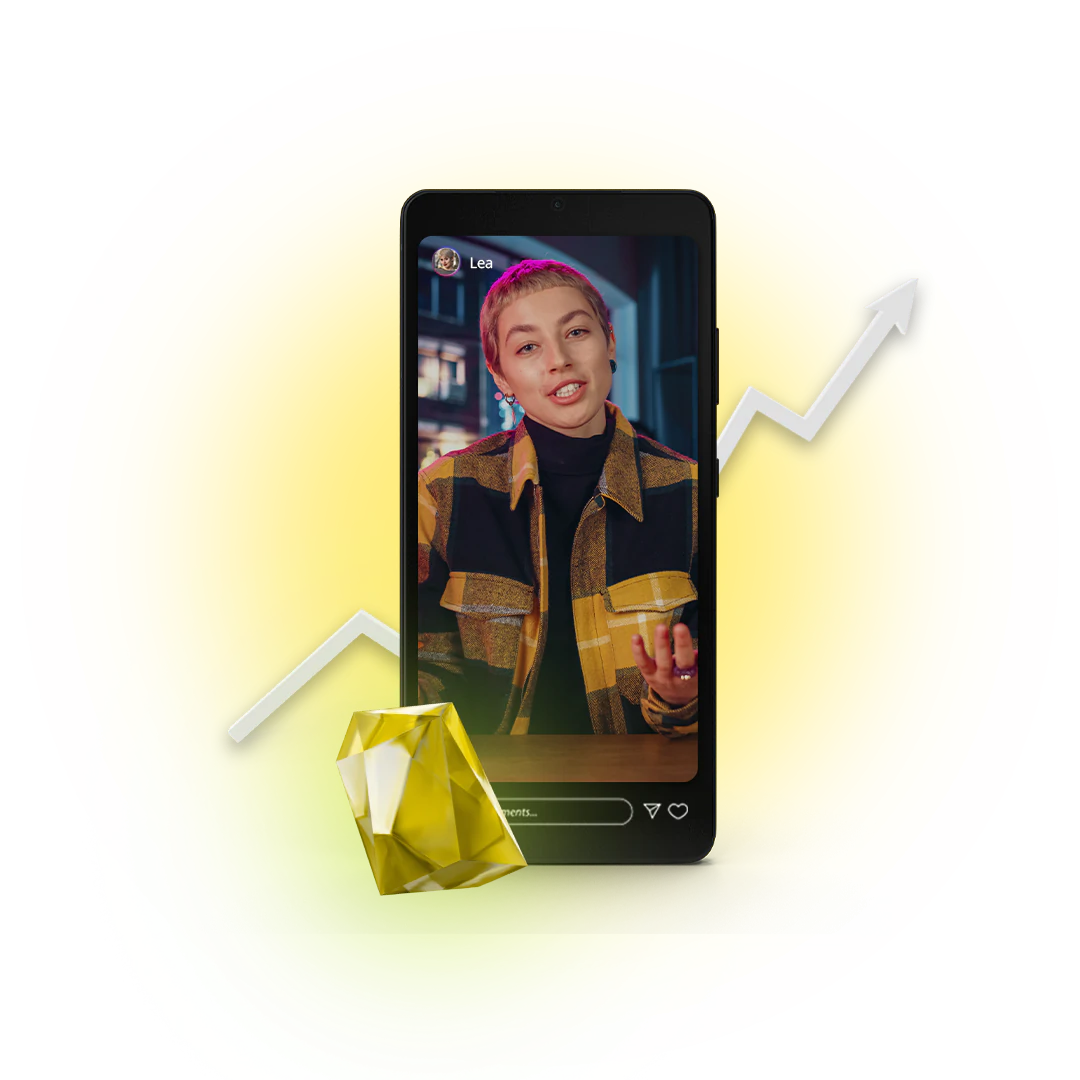
Ready To Grow With Authentic Content That Converts?
UGC in 2026 is no longer about volume for its own sake. It is about strategy, speed, and a measurable line back to revenue. The brands that get this right treat creators as performance assets, build briefs around funnel goals, and report on outcomes rather than just deliverables.
If you are ready to build a UGC engine that earns trust and drives conversions, get in touch with Moburst to start the conversation.
Frequently Asked Questions
A UGC agency sources real creators, briefs them on a brand’s strategic goals, manages production and revisions, secures usage rights, and delivers ready-to-run content for paid ads, organic social, product pages, and email campaigns. The best agencies also track performance and iterate based on what is converting.
UGC content is created for the brand to own and distribute. Influencer marketing relies on creators posting to their own audiences. UGC is generally faster and cheaper to produce at scale, while influencer marketing focuses on reach and audience trust.
It works because consumers trust real people more than brands. 6 in 10 consumers say UGC is the most authentic form of marketing, and on-site reviews can lift conversions by up to 74% compared to pages without UGC.
Yes. UGC is one of the highest-performing creative formats for paid social, with 4x higher click-through rates and 50% lower CPC than non-UGC ads. Just make sure your contract grants paid usage rights up front.
Top agencies turn around UGC in roughly 10 days, including revisions. That is significantly faster than the three-plus weeks typical of traditional influencer campaigns.

Julia Salume
Julia is the Head of Influencer Marketing at Moburst, where she leads strategy and execution for cross-industry campaigns. With over 12 years of experience in influencer management, digital strategy, and brand partnerships, she has led successful collaborations for more than 30 global brands and built long-term relationships with over 1,000 creators around the world.
Her work has contributed to award-winning campaigns, recognized for delivering both creative impact and measurable results. Originally from Brazil, Júlia has lived in seven countries and brings a sharp, global perspective to her role, along with a strong sense of cultural fluency and adaptability.

[ad_2]
Source_link