Plus: The power of talking politics; the NFL under fire.
Problems keep piling up at airports.
After dealing with long security lines due to a lack of government funding, travelers are now facing higher fees.
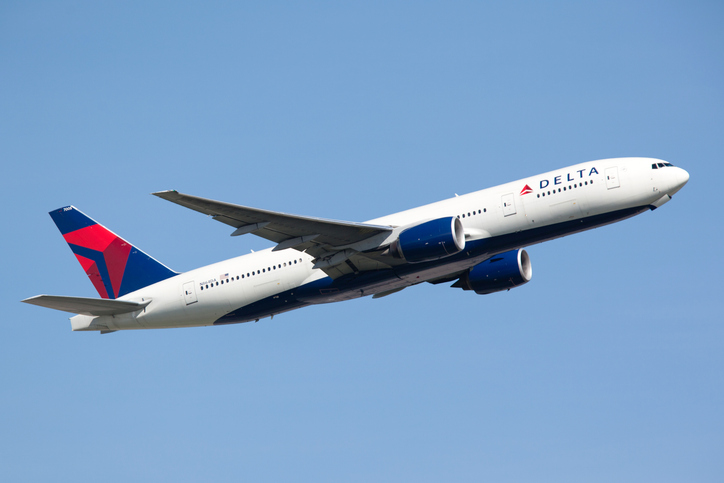
In recent days, several major airlines from Delta to American to JetBlue have hiked the price of checked baggage. And they’re all pointing to the same reason: soaring fuel costs.
“These updates are part of Delta’s ongoing review of pricing across its business and reflect the impact of evolving global conditions and industry dynamics,” a Delta spokesperson told USA Today.
On its website, Southwest Airlines explained its decision to increase fees on checked bags was due to an “ongoing analysis of the business and against the evolving global backdrop.”
Likewise, JetBlue told CNBC that “adjusting fees for optional services used by select customers, such as checked baggage, allows us to continue offering more competitive fares while delivering the onboard experience our customers love, including complimentary snacks and drinks, unlimited, high-speed Wi-Fi and seatback entertainment screens.” The airline also named “rising operating costs” as the underlying reason for the additional fees.
Why it matters: All three of these organizations point, mostly indirectly, to the geopolitical situation and its tack-on impact on oil prices as the impetus for the price hikes. All mentioned it obliquely — no one wants to get caught in President Donald Trump’s crosshairs for blaming his administration’s actions for raising prices. That’s gone badly for other organizations in the past, including Amazon. Rather, all dance around the idea of “rising operating costs,” “evolving global backdrop” and “evolving global conditions.”
Ticket prices are dynamically priced, and customers expect those prices to fluctuate. But baggage fees are usually fixed, which necessitates these statements. They’re also likely to be here to stay and probably won’t disappear when oil prices stabilize, unlike airline ticket prices. Which makes the messaging now even more important.
Customers will never be happy with any kind of price hike, which is likely why Delta and Southwest kept their statements short and to the point. JetBlue tried to make more of a value-based play, focusing on the perks that are included in a JetBlue fare, which makes sense given its positioning in the market as a “hybrid” carrier: price conscious but not as bare-bones as a Spirit or a Frontier.
There will be complaints about these fees no matter how artfully the statements are crafted. But clarity and simplicity in comms can at least help soothe the pain faster.
Editor’s Top Reads:
- The look of Dr. Bronner’s Magic Soaps products – labels crammed with small text – defies current marketing trends. So does the personal care brand’s relentless support for social causes, such as LGBTQ+ rights, at a time when many companies are backing away from messaging that some might describe as “woke.” In other words, anything DEI-related posted on Instagram. Both decisions seem to be working, as Dr. Bronner’s annual revenue has increased from around $17 million to $250 million over the past two decades, reports the Wall Street Journal. “We weather the slings and arrows of these risks because we believe in the long term that these values will build our brand and our stature in the marketplace,” Michael Bronner, the company’s president, said in an interview. As the solid business numbers suggest, not all brands face a penalty for being political. Some might even get rewarded, such as when Patagonia voiced opposition to the United States Forest Service moving its headquarters from Washington, D.C. to Utah.
- The Department of Justice is investigating whether the National Football League has engaged in anticompetitive behavior. Deals with multiple streaming services, critics argue, have made watching football too expensive for consumers. Regardless of what happens next, the NFL now must defend itself in the court of public opinion. “The NFL’s media distribution model is the most fan- and broadcaster-friendly in the entire sports and entertainment industry,” reads a statement from the league published by the Associated Press. “The 2025 season was our most viewed since 1989 and reflects the strength of the NFL distribution model and its wide availability to all fans.” The note added that more than 87% of NFL games are available for free on broadcast television, including all played in a team’s local market. Because the NFL is such a powerhouse, it may be hard to win sympathy from fans struggling to pay for yet another streaming platform. While acknowledging this frustration would help, a focus on greater access to games in the modern media landscape may be the league’s best play moving forward. Anything to downplay the David-vs.-Goliath dynamic will also provide an assist.
- During a livestream of the Artemis II trip around the moon, a jar of Nutella floated into the frame, surprising millions of people watching from Earth, including the individuals who make and market the chocolate-hazelnut spread, reports the Wall Street Journal. “I couldn’t have filmed it any better if I tried,” said Chad Stubbs, CMO at Ferrero North America, Nutella’s parent company. Recognizing that the moment hit two gold standards in marketing – earned media and outer space – the team at Nutella got to work creating their own content based on the event and posted it to social media, generating thousands of likes and comments. The incident highlights the benefit of paying attention to what consumers are paying attention to and being able to move fast when an opportunity suddenly appears out of nowhere.
Paul Hiebert is a reporter for PR Daily and Ragan.com. Follow him on LinkedIn.
The post The Scoop: Airlines explain the reason for higher baggage fees appeared first on PR Daily.