Tristan Dampies
27 February 2026

Influencer marketing has moved well beyond its experimental phase. What started as brands sending free products to popular social media personalities has grown into one of the most powerful and measurable marketing channels in the world. In 2026, we are watching the industry mature in real time, with bigger budgets, smarter tools, and a sharper focus on performance.
Whether you are a startup trying to get your first 10,000 app installs or a global brand managing multi-million dollar campaigns, understanding the current state of influencer marketing is no longer optional. It is essential.
This guide breaks down the biggest influencer marketing trends, the most important statistics, and the practical strategies that are shaping influencer marketing across the United States and beyond.
The Numbers Behind the Boom
The influencer marketing industry is no longer a scrappy upstart. It is a financial powerhouse, and the numbers tell the story clearly. Here are the headline stats shaping the market in 2026:
- $32+ billion in global market value, according to Influencer Marketing Hub, with a 33% compound annual growth rate over the past decade.
- $40 billion is the projected global market size by the end of 2026 if current trajectories hold.
- $9.3 billion was spent by U.S. brands on influencer campaigns in 2025 alone, according to research compiled by Thunderbit, making the United States the largest single market globally.
- 74% of marketers plan to increase their influencer marketing budgets this year, according to Aspire’s annual benchmark report.
- 33% of brands are now committing more than $5 million annually to creator-led campaigns.
What makes this growth even more notable is how it compares with the broader digital advertising market, which has averaged 15 to 20 percent annual growth during the same period. Influencer marketing is not just keeping pace with other channels. It is outpacing most of them. And this is not speculative spending. Brands have seen the returns, and they are committing more resources.
Why Brands Are Doubling Down on Influencer Marketing
The core reason brands keep investing is straightforward: consumers trust influencers more than they trust traditional advertising. A YouGov survey found that over 52% of adults aged 18 to 29 say their purchasing decisions are regularly influenced by creators they follow.
The ROI story is equally compelling. On average, businesses earn approximately $5.78 for every dollar spent on influencer marketing, according to SociallyIn. The top performers are seeing returns well above that. According to a Tomoson study, businesses are achieving a $6.50 return for every $1 spent on influencer marketing campaigns.
The Rise of Micro and Nano Influencers
One of the defining trends of 2026 is the continued dominance of smaller creators. Nano influencers, typically those with between 1,000 and 10,000 followers, now represent nearly 76% of the influencer base on Instagram, according to Archive. These creators consistently outperform larger accounts in engagement, achieving average rates of 2.71%, roughly 50% higher than micro influencers deliver and far above those of mega influencers.
Brands have taken notice. According to Influencer Marketing Hub, businesses are significantly more likely to work with nano- and micro-influencers than with celebrities or macro creators. The reasoning is simple: smaller audiences tend to be more engaged, more trusting, and more responsive to recommendations.
There is also a financial advantage. Gifted collaborations, where brands send products instead of cash payments, deliver engagement rates of about 2.19%, which is nearly 13% higher than paid partnerships. For brands working with limited budgets, this makes nano influencer outreach one of the most cost-effective marketing strategies available today.
AI Is Changing the Game
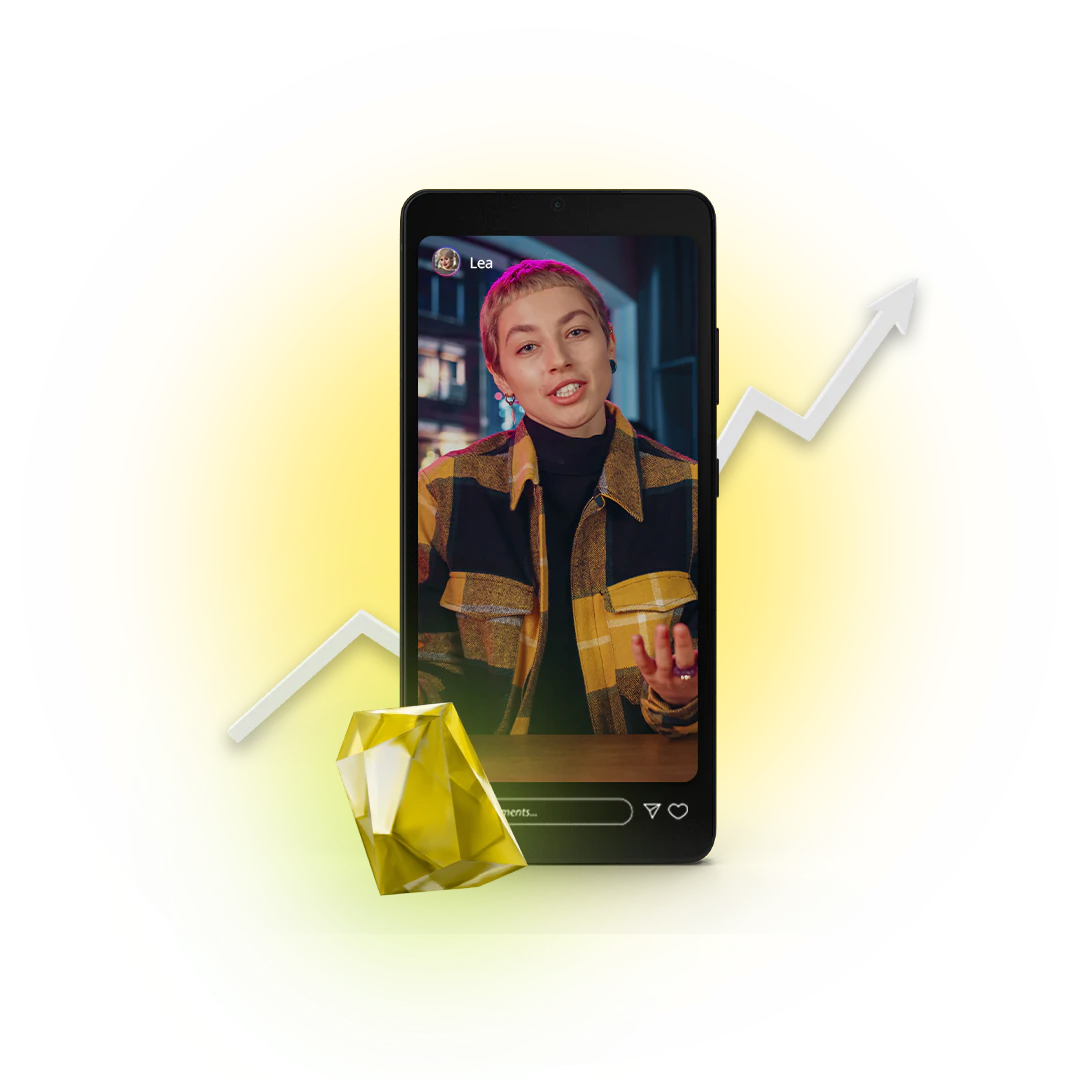
Artificial intelligence has become a core part of the influencer marketing workflow. According to Aspire, 59% of marketers are now using AI to scale creator discovery, streamline campaign workflows, and improve analytics. Meanwhile, research from Archive indicates that 66.4% of marketers report improved campaign outcomes when they integrate AI into their influencer strategies.
Here is where AI is making the biggest impact right now:
- Influencer discovery and matching. Rather than manually scrolling through thousands of profiles, brands can describe their ideal creator and let AI handle the search. Platforms like Sprout Social, CreatorIQ, and HypeAuditor evaluate creators based on audience demographics, engagement quality, and brand alignment.
- Fraud detection. AI tools identify creators with inflated follower counts, engagement bots, or misaligned audiences, which has been one of the industry’s biggest pain points.
- Campaign optimization. Real-time analytics help brands adjust content, messaging, and creator selection mid-campaign to improve performance.
- Workflow automation. From outreach templates to contract management and payment processing, AI is reducing the manual workload that once slowed campaigns down.
In a market where 48% of marketers still cite influencer discovery as their top challenge, AI is quickly becoming the difference between mediocre campaigns and high-performing ones.
Influencer Marketing Trends for Mobile Apps
For app developers and mobile-first brands, influencer marketing has become one of the most effective user-acquisition channels. Creator-led campaigns drive installs, improve retention, and generate content that can be repurposed across paid social channels.
The approach is straightforward. Influencers create authentic, platform-native content that showcases an app in the context of their daily lives. Whether it is a wellness creator demonstrating a meditation app or a gaming influencer streaming a new mobile title, the content feels natural and trustworthy, which is exactly why it converts.
This is precisely why brands searching for top influencer marketing agencies for apps in the United States are looking beyond traditional ad networks. They want agency partners who understand creator-led user acquisition, deep linking, content repurposing, and full-funnel attribution. Agencies like Moburst, which specializes in app marketing and influencer strategy, have become go-to partners for brands looking to scale their mobile presence through creator partnerships.
Performance tracking in this space has also matured significantly. Brands can now tie influencer content directly to install rates, day-one retention, lifetime value, and return on ad spend. With performance-based partnerships on the rise, creators are increasingly rewarded based on actual installs or in-app actions rather than vanity metrics.
How to Choose the Right Influencer Marketing Agency
With so many options available, choosing the right agency partner can feel overwhelming. The landscape of influencer marketing agencies in the United States is broad, ranging from boutique firms specializing in niche industries to full-service agencies managing global campaigns across dozens of platforms.
Here are the key factors to consider when evaluating the top influencer marketing agencies in 2026.
- Industry-specific experience. An agency that has already run successful campaigns in your vertical will understand which creators convert, which platforms perform best, and what kind of content resonates with your target audience. Agencies without relevant experience tend to fall back on generic influencer sourcing and recycled strategies.
- A strong approach to measurement. The best agencies go beyond likes and views. They track engagement quality, audience relevance, conversion impact, and creator trust. Ask potential partners how they attribute results and what tools they use for reporting.
- AI-powered creator discovery combined with human curation. Agencies using AI-driven search tools tend to deliver better creator matches because they can evaluate audience demographics, engagement authenticity, and brand alignment at scale. Ask how they vet influencers for audience quality.
- Full-service campaign management. The strongest agencies handle everything from strategy development and creator outreach to contract negotiation, content approval, and post-campaign reporting. This end-to-end approach reduces friction and ensures brand consistency.
- Verifiable client references and case studies. Look for agencies that can show measurable results across campaigns similar to yours, whether that means driving app installs, increasing e-commerce revenue, or building long-term brand awareness.
Social Commerce and Platform Trends
Social commerce continues to accelerate, and influencers sit at the center of it. Here is how the major platforms are performing for influencer marketing in 2026:
- Instagram remains the dominant platform overall, with over 80% of marketers using it for influencer campaigns, according to DemandSage data. It is still the go-to for product discovery, brand partnerships, and shoppable content.
- TikTok is closing the gap fast, especially with younger audiences. TikTok Shop adoption nearly doubled year over year, with 32% of brands already selling on the platform and another 25% planning to start, according to Aspire. Its algorithm prioritizes content quality over follower count, making it ideal for micro- and nano-influencer campaigns.
- YouTube continues to hold strong as the platform of choice for long-form influencer content, particularly in tech, gaming, and education verticals. For brands that need to educate or demonstrate product features in depth, YouTube remains unmatched.
- Short-form video is now the highest-performing content format across all platforms. Whether it is TikTok, Instagram Reels, or YouTube Shorts, brands that prioritize short, authentic, platform-native video content are seeing the best engagement and conversion results.
What to Expect Next
Looking ahead to the second half of 2026, several trends are worth watching closely.
- Influencer content as paid media will become standard. Brands are already whitelisting creator content and running it as paid ads, combining the authenticity of influencer marketing with the targeting precision of paid social. This hybrid approach is delivering strong results, and adoption will accelerate through the rest of the year.
- AI-powered virtual influencers will continue to grow, but trust remains low. Research from DemandSage shows that only 23% of U.S. adults trust how generative AI is being used on social media. Virtual influencers may gain market share, but they are unlikely to match the audience trust that human creators have built.
- Long-term creator partnerships will replace one-off campaigns. Brands that invest in ongoing relationships with creators see better content quality, deeper audience trust, and stronger performance metrics over time. Expect more brands to shift from transactional deals to ambassador-style programs.
- Regulation and transparency will remain critical. Audiences in 2026 are savvy enough to detect inauthentic promotions, and platforms are increasingly enforcing disclosure requirements. Brands and agencies that prioritize transparency will build more sustainable programs.
Frequently Asked Questions
The global influencer marketing industry is valued at over $32 billion and is projected to exceed $40 billion by the end of 2026. The United States is the largest single market, with an estimated spend approaching $10 billion.
On average, businesses earn approximately $5.78 for every dollar spent on influencer marketing. Top-performing brands report returns of $20 or more per dollar invested.
For most brands, yes. Micro and nano influencers consistently deliver higher engagement rates and better conversion metrics than celebrity or macro influencers, as they have smaller, more engaged audiences. They also tend to have more trust and credibility within their specific communities.
AI is used for influencer discovery, audience analysis, fraud detection in follower counts or metrics, content optimization, and campaign performance tracking. Nearly 60% of marketers now use AI tools as part of their influencer marketing workflow.
The leading agencies for app-focused influencer marketing in 2026 include Moburst, The Influencer Marketing Factory, Viral Nation, NeoReach, and Ubiquitous. These agencies specialize in creator-led user acquisition, performance-based campaigns, and full-funnel attribution for mobile brands.
Instagram remains the most widely used platform, followed by TikTok and YouTube. TikTok is growing fastest, particularly among younger demographics, while YouTube is best for long-form content and product demonstrations.
Influencer content feels authentic and is consumed natively on mobile devices, which creates a seamless path from content discovery to app install. Creator-led campaigns also generate reusable content assets that can be amplified through paid social channels.
Tristan Dampies
Tristan is a Content Writer at Moburst with a background in journalism and public relations, bringing a strategic, audience-first approach to content across the digital marketing landscape. She enjoys crafting stories that inform, connect, and drive impact. Outside of work, she loves discovering new restaurants and spending quality time with her daughter, family, and friends.