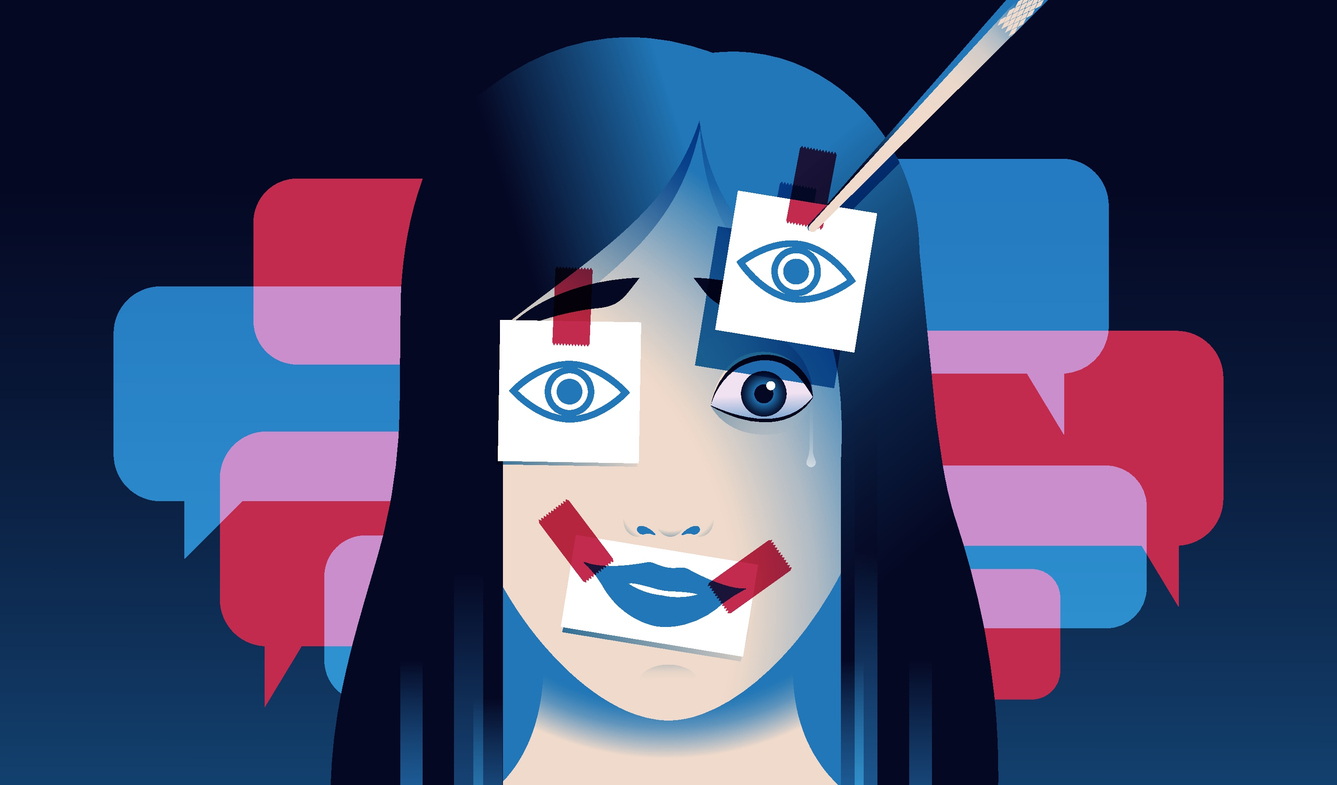
In the public court of memes and narrative graphics, the victim is always guilty. And reputational damage always follows.
Kerri Toloczko is director of public affairs for Proven Media Solutions.
Credibility is under siege. The collision of social media and artificial intelligence is empowering disruptive and deceptive actors who understand that falsehoods travel faster than fact — especially when they flatter our assumptions.
Propaganda is easy to make and hugely damaging. Even when posts or memes fail basic credibility tests, they still go viral because people share them without taking 30 seconds to ask Google if the claims are real or the source is verified.
After the Maduro capture, a “document” appeared online claiming that a former Venezuelan official — now in a U.S. federal prison on a narco-terrorism conviction — had revealed a list of U.S. senators paid off by the Chávez/Maduro regimes. The claims were sweeping, defamatory and unsupported by anything resembling proof. Yet the graphic was shared as gospel in some circles — despite obvious legal and common-sense holes in the story.
For the individuals, organizations and businesses maligned by fake claims, reputations built over decades can be lost in hours. Even when the accusation is untrue, the target is still forced to answer it — and it’s tough to make a denial without sounding guilty, even if you’re totally innocent.
Leaders and organizations must assume this environment is permanent. Communications strategies can no longer be built only for good-faith debate, but must be built for a world of rapid misinformation, fabricated documents and AI-generated “evidence.” That means faster response times and prebuilt stakeholder trust before a crisis built on fake reality hits.
But even great communications doesn’t work in a vacuum. Individuals in the social media ecosystem need to take responsibility for themselves by relearning a lost habit: verification.
Before sharing, ask basic questions: Who is the source? Can the source be verified? Can this be found anywhere credible? Does this make sense? If a claim would be explosive if true, it deserves extra scrutiny, not instant amplification. Waiting 48 hours before having an opinion is also wise, giving the dust a chance to settle before making your thoughts public.
Social media users sharing demonstrably false memes and statements has become a serious problem in our society, being tacitly promoted in our online culture and extending into all aspects of our personal, organization and business lives.
Recent misinformation circulating after the death of Alex Pretti during a federal immigration enforcement action in Minneapolis is a tragic, chilling example of how pervasive and harmful this trend truly is.
In one widely shared Facebook post, someone added a disparaging photo of a man in provocative drag queen attire and claimed it was Mr. Pretti. When challenged by another Facebook user about the source and verification, the poster replied, “If it proves to be fake, I’ll take it down.”
This is exactly backward and shows an appalling lack of personal responsibility and ethics, and added false fuel to an already incendiary event. This one snapshot in time highlights the urgent need for personal responsibility, strong leadership and communication strategies led by public affairs and other communications professionals who understand how to navigate the media landscape and address false narratives with clarity and integrity.
The strongest defense is a pre-emptive and comprehensive communication plan to make the organization deeply trusted long before a false claim appears. Organizations that communicate consistently, explain decisions clearly and build a record of transparency accumulate credibility capital. When controversy strikes, audiences and journalists are far more likely to give these organizations the benefit of the doubt.
Equally important is anticipating the attacks. An effective strategy does not involve waiting passively for these claims to spread. Instead, it “pre-bunks” them by naming and shaming the falsehoods and explaining, in plain language, why they are wrong. Then, when people encounter the lie later, they are far less likely to believe it.
Rather than fighting misinformation piecemeal, smart communications teams can create a single authoritative explanation — a statement, a landing page or a document repository — and drive all audiences to one source for correct information. The response should include not just the target’s position and defense, but why the source itself is invalid. And don’t shirk on budget or scope — the crisis agency partner and digital ads may cost tens of thousands, but they’ll save the organization millions.
In many cases, the most powerful voices are not within the organization impacted by false claims. Third-party validators — independent experts, community leaders or customers — can often disprove lies far more credibly than the target. A key part of crisis response is mobilizing these voices quickly and giving them the information they need to speak with confidence.
Every misinformation incident demands a rigorous after-action review: how the false narrative started, who started it and why, and which responses were most effective. The review should result in updated playbooks, faster response systems and even preemptive communications designed to blunt the next attack before it can take hold.
Ultimately, organizations and individuals that suffer least from misinformation are those who have built the systems and discipline to defend themselves at the speed of the modern information war.
Don’t wait for it. Plan for it.
The post In the age of AI and memes, truth is the first casualty appeared first on PR Daily.