


If you look inside Google Analytics and see a big chunk of your traffic labeled “Direct,” it feels good.
No algorithm. No ranking fluctuations. No dependence on organic search. Just people typing your URL and showing up.
That’s why a lot of marketers treat direct traffic SEO like the holy grail of search engine optimization. The logic is simple: if someone comes to you directly, they already know you.
No middleman. No search engine result in between.
But here’s the question most people don’t ask:
Is direct traffic actually the most valuable traffic source… or is it just misunderstood?
Because not all direct traffic is equal. Some of it is pure brand recognition.
Some of it is email clicks with missing referrer information. And some of it is just bad tracking code creating unnecessary direct traffic in Google Analytics.
In this article, I’ll break down what direct traffic really means, how it compares to organic traffic, paid traffic, referral traffic, and social traffic, and whether it truly deserves its reputation in digital marketing.
Key Takeaways:
- Direct traffic in Google Analytics means visits without clear referrer data, not always true “type-in” visits.
- Organic traffic from organic search is still one of the most scalable traffic sources for long-term growth.
- The most valuable traffic often comes from strong brand awareness and consistent marketing efforts across channels.
- Understanding your traffic sources properly is essential before deciding which traffic source is actually “best.”

Link building cheat sheet
Gain access to the 3-step strategy we use to earn over 86 high-quality backlinks each month.
What is Direct Traffic in SEO?
In Google Analytics, direct traffic means one simple thing: the visit came in without clear referrer information.
That’s it.
It does not automatically mean someone typed your domain directly into their browser. A direct visit can happen when someone bookmarks your site, clicks a link in a PDF, opens a link from certain email clients, or when referrer data gets stripped for privacy reasons.
From a direct traffic SEO perspective, it’s important to understand that “Direct” is a bucket. It’s a traffic source category, not always a behavior.
Here’s how it compares to other traffic sources:
Organic Traffic
Organic traffic comes from organic search results on a search engine like Google. If someone searches in Google search, clicks a blue link on the search engine results page, and lands on your site, that’s organic search traffic. This is what most search engine optimization efforts aim to grow.
Paid Traffic
Paid traffic comes from paid ads like Google Ads or other advertising platforms. If someone clicks a sponsored search engine result, that visit is categorized separately from organic traffic.
Referral Traffic
Referral traffic comes from another website linking to you. If someone clicks a backlink from a blog, news site, or tool comparison page and lands on your site, Google Analytics attributes that as referral traffic, assuming referrer information is preserved.
Social Traffic
Social traffic comes from a social media platform like LinkedIn, Facebook, or Twitter. However, depending on tracking setup, some social media clicks can fall into direct traffic if referral information gets lost.
Email Traffic
Email clicks can be tracked properly with UTM parameters. But if those aren’t set up correctly, email traffic often shows up as direct traffic in Google Analytics.
That’s why direct traffic is sometimes inflated.
From a web analytics perspective, direct traffic is often a mix of:
- True type-in or bookmark traffic
- Dark social shares
- Email clicks without tracking
- Misconfigured tracking code
So before you celebrate a spike in direct visitors, it’s worth asking: is this real brand-driven traffic acquisition… or just missing data?
Which Kind of Traffic is The Most Valuable?
If we’re talking purely about intent, direct traffic is hard to beat.
When someone visits your site directly, they’re not casually browsing a search result or clicking a random link. They already know who you are. That kind of brand awareness is the end goal of basically every marketing strategy.
It’s the difference between:
“I found you on Google search.”
And
“I came here because I remember you.”
That’s what direct traffic usually represents at its best: brand recognition.
And that matters because direct visitors convert differently. They bounce less, they explore more pages, and they’re more likely to land straight on a money page instead of some blog post.
But here’s the part people miss.
Direct traffic is valuable, but it’s not always scalable.
You don’t just “do direct traffic SEO” and magically get more of it.
Direct traffic is usually the result of strong SEO efforts, strong digital marketing, and consistent visibility across multiple traffic sources.
Organic traffic is often the most scalable long-term traffic source because it compounds. You publish SEO content once, and if it ranks, you can get search traffic for months or years.
Referral traffic is underrated because it can bring highly targeted visitors, especially from listicles and industry mentions.
Paid traffic is fast and predictable, but it stops the moment you stop paying.
Social media traffic is hit-or-miss, but it’s great for awareness and can lead to direct search later.
So what’s the most valuable traffic source?
Honestly, it depends on what you’re trying to do.
But if we’re talking about business value, direct traffic is usually a strong sign you’re winning, because it means people are actively looking for you, not just stumbling into you.
How to Check Your Direct Traffic?
In GA4, go to Reports → Acquisition → Traffic acquisition. There you’ll see your main traffic sources broken down by channel. One of those rows will be labeled “Direct.” That’s your direct traffic source bucket.
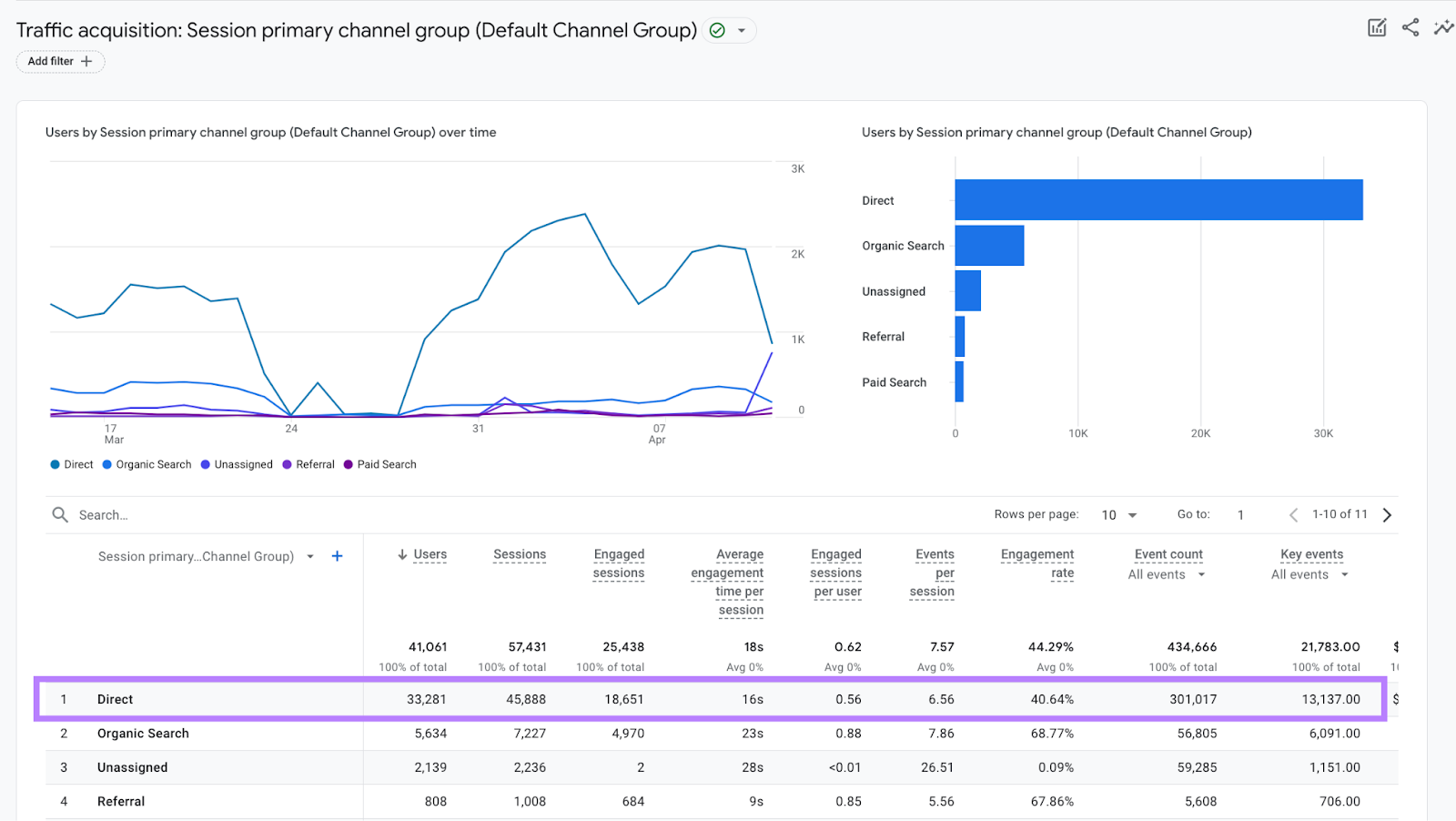
Click into it and you can analyze:
- Total direct traffic
- Engagement rate
- Bounce rate
- Landing page performance
- Conversions from direct visitors
This is where web analytics becomes important. A spike in direct traffic might look great, but you need context. Is it going to your homepage? A specific landing page? Is the bounce rate high? Are these visitors converting?
If you want to go deeper, combine Google Analytics with Google Search Console.
Search Console shows you organic search data, meaning impressions and clicks from Google search. If your organic traffic drops but direct traffic spikes at the same time, that might signal misattributed traffic due to missing referrer data or tracking issues.
You should also check:
- Whether your UTM parameters are set correctly in email and paid ads
- Whether your tracking code is firing properly
- Whether any redirects are stripping referrer information
Sometimes what looks like strong direct traffic SEO is actually just poor tracking.
How to Increase Direct Traffic
Brand Mentions
If you want more direct traffic, you need more people hearing about you before they ever land on your site.
That’s what brand mentions do. They create brand awareness across the web, not just inside a single search engine result.
Take the Backlinko listicle on link building tools that mentioned us for example. ‘
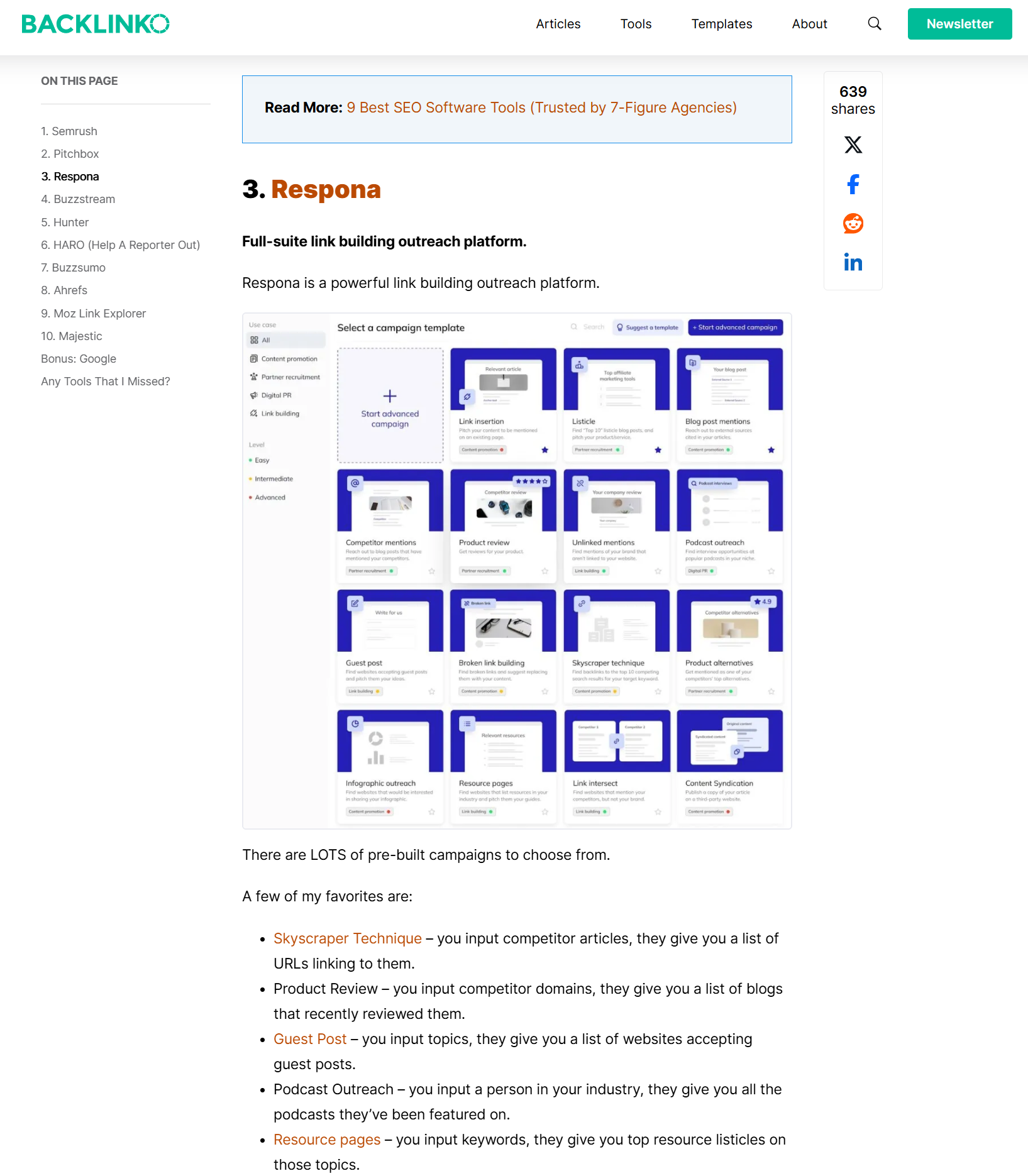
That page ranks in Google search, brings steady organic traffic, and gets referenced across the industry. Some people click immediately, generating referral traffic.
Others just remember the name. Later, they type “Respona” directly into the browser or do a direct search in Google. That shows up as direct traffic in Google Analytics.
But here’s where it gets even more interesting.
Those listicle mentions don’t just influence human visitors. They influence AI systems too.
When AI models generate answers like “best link building tools” or similar queries, they pull from content that already ranks and gets cited across the web. If your brand appears consistently in those comparison posts, your chances of being included in AI-generated answers increase.
So one strong listicle placement can:
- Drive referral traffic
- Increase direct traffic over time
- Improve organic search visibility
- Boost AI visibility across platforms
That’s why brand mentions are such a powerful part of a modern marketing strategy.
If you want more placements like that without running your own outreach campaigns, that’s exactly what our done-for-you link building is designed to do.
We secure real, high-traffic mentions that increase both search engine visibility and direct visitors over time.
Email Marketing and Social Media
Email is one of the most underrated direct traffic generators.
Not because it literally counts as “Direct” every time, but because Google Analytics often loses referrer information from email clients. If you’re not using UTM parameters, a huge chunk of email clicks gets dumped into the direct traffic bucket.
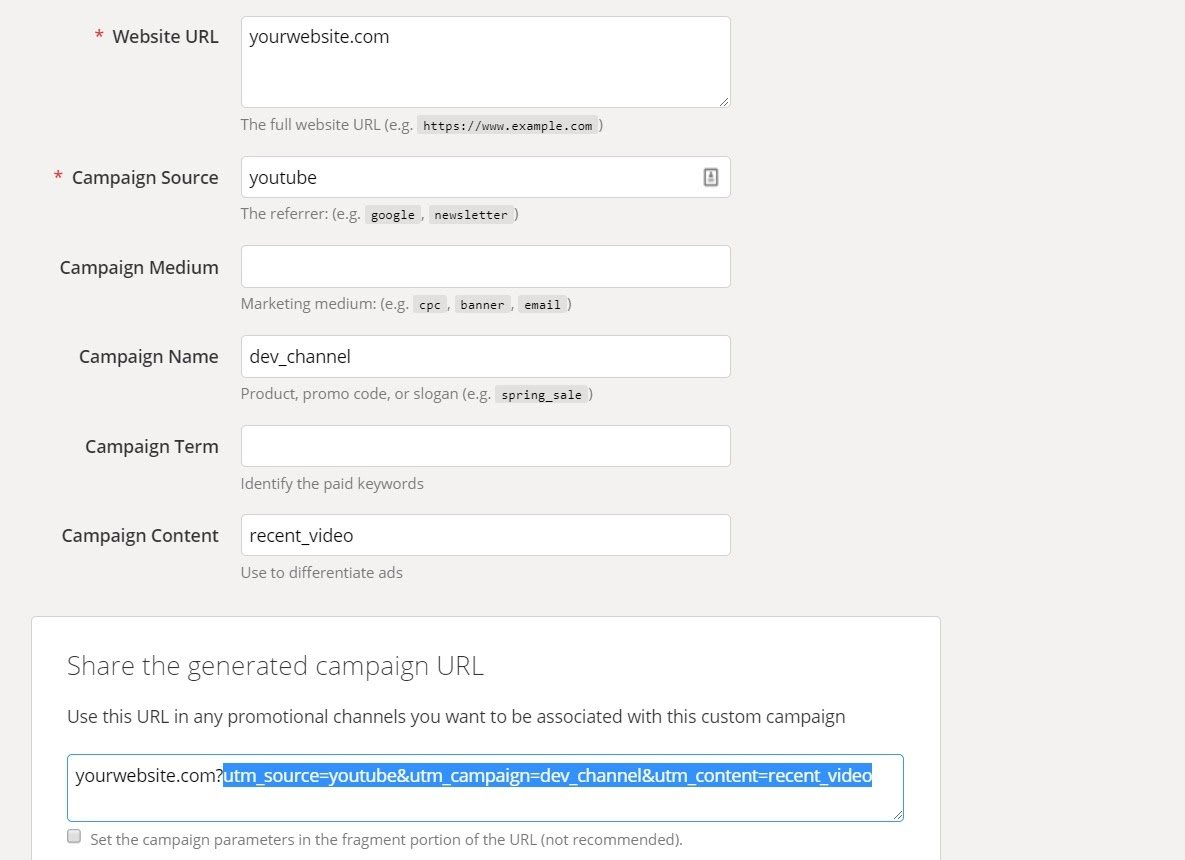
So you send a newsletter, traffic spikes, and suddenly it looks like you’re getting tons of direct visitors. In reality, it’s email traffic showing up as direct traffic.
Same story with social media, and I’m not just talking about Facebook and LinkedIn.
A lot of modern sharing happens in places like Slack, Discord, WhatsApp, Telegram, iMessage, and DMs. That’s dark social. People copy-paste your link, send it privately, and when someone clicks it, referrer data often gets stripped.
So instead of showing up as social traffic or referral traffic, it becomes direct traffic in Google Analytics.
Paid Ads and Retargeting
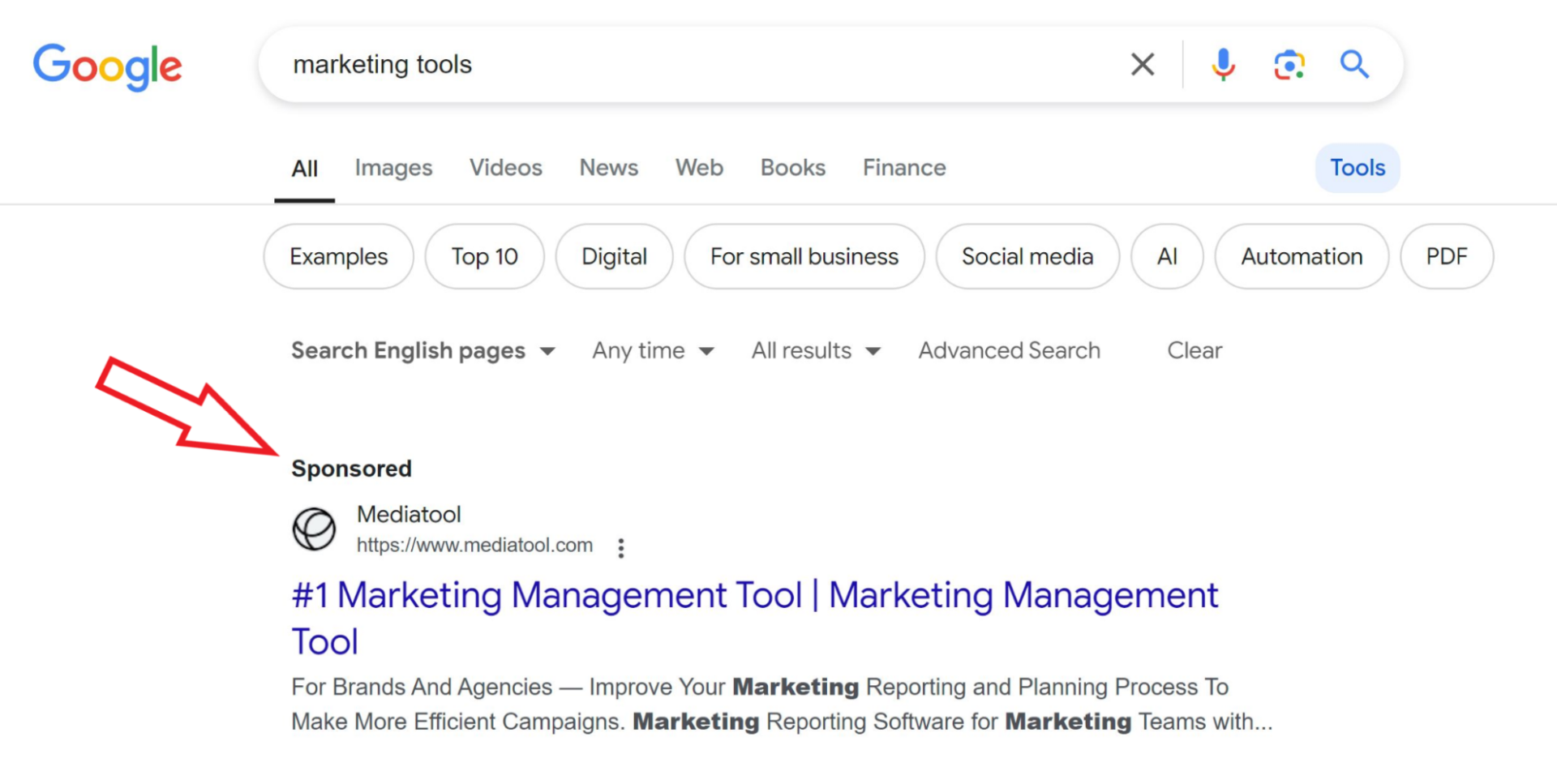
Paid ads don’t just drive paid traffic. They also quietly increase direct traffic over time.
Here’s why.
When someone clicks a Google Ads campaign, they’re technically part of paid traffic. But if they don’t convert right away and come back later by typing your domain directly into their browser, that second visit shows up as direct traffic in Google Analytics.
That’s brand reinforcement in action.
Retargeting works the same way. You run paid ads that follow users around after they’ve visited your site once. They see your name repeatedly across platforms. Eventually, they skip the ad and go straight to you through a direct visit.
Also, if your tracking code or UTM parameters aren’t configured correctly, some paid traffic can get misattributed as direct traffic. That creates unnecessary direct traffic in your reports, making it look like your direct traffic SEO efforts are stronger than they actually are.
Product-Led Growth & Freebies
If you want consistent direct traffic, give people a reason to come back without needing a reminder.
That’s basically what product-led growth is.
When someone uses your tool, logs into a dashboard, checks reports, or revisits a feature regularly, direct traffic becomes automatic. They don’t search. They don’t click a link. They just go straight to your site because it’s part of their workflow.
Freebies are one of the easiest ways to trigger this.
A free template, a mini SEO tool, a checklist, a free audit, or even a simple calculator can turn a random website visitor into a repeat visitor. And repeat visitors are where direct traffic really starts stacking up.
The best part is that freebies also work as a gateway into everything else. They get shared, picked up in communities, mentioned in blog posts, and sometimes even drive referral traffic. But the long-term payoff is that people remember the domain and come back through direct visits.
Link building cheat sheet
Gain access to the 3-step strategy we use to earn over 86 high-quality backlinks each month.
Now Over to You
So… is direct traffic the best kind of traffic?
It’s the most flattering kind.
When someone visits you directly, that’s brand recognition. That’s trust. That’s a signal your marketing strategy is working beyond just ranking in a search engine.
But direct traffic doesn’t appear out of thin air.
It’s the result of strong SEO efforts, smart digital marketing, consistent brand mentions, and visibility across multiple traffic sources.
Organic traffic builds awareness. Referral traffic builds credibility. Paid ads accelerate exposure. And over time, all of that turns into direct visitors.
If you want more direct traffic, the fastest lever isn’t tweaking Google Analytics reports.
It’s getting your brand in more high-traffic places.
That’s exactly what our done-for-you link building is built for.
We secure listicle placements and high-quality mentions that drive referral traffic today, boost organic search visibility tomorrow, and turn into direct traffic over time.
Rank better. Get mentioned more. Be remembered.
Frequently Asked Questions (FAQ)
What is direct traffic in Google Analytics?
Direct traffic in Google Analytics refers to visits where no referrer information is detected. This can mean someone typed your URL directly, but it can also include email clicks, dark social shares, or improperly tracked traffic.
Is direct traffic better than organic traffic?
Not necessarily. Organic traffic from organic search is usually more scalable because it grows through search engine optimization. Direct traffic is valuable because it signals brand awareness, but it’s often the result of strong organic traffic and marketing efforts.
Why is my direct traffic so high?
High direct traffic can be a sign of strong brand recognition, but it can also indicate tracking issues. Missing UTM parameters, broken tracking code, or stripped referrer data can cause paid traffic, email traffic, or social media traffic to appear as direct traffic.
How do I increase direct traffic to my website?
The most effective way to increase direct traffic is by increasing brand awareness. Brand mentions, listicle placements, email marketing, social media exposure, and retargeting ads all contribute to more direct visits over time.
Can SEO increase direct traffic?
Yes, indirectly. Strong search engine optimization improves visibility in Google search, which builds brand recognition. Over time, people stop relying on a search result and start visiting your site directly, turning organic search traffic into direct traffic.









![Only 25% of cited sources overlap between ChatGPT‘s different reasoning modes [Study]](https://mgrowtech.com/wp-content/uploads/2026/06/reasoning-lift-how-chatgpts-reasoning-mode-changes-which-brands-get-cited-study-120x86.png)
