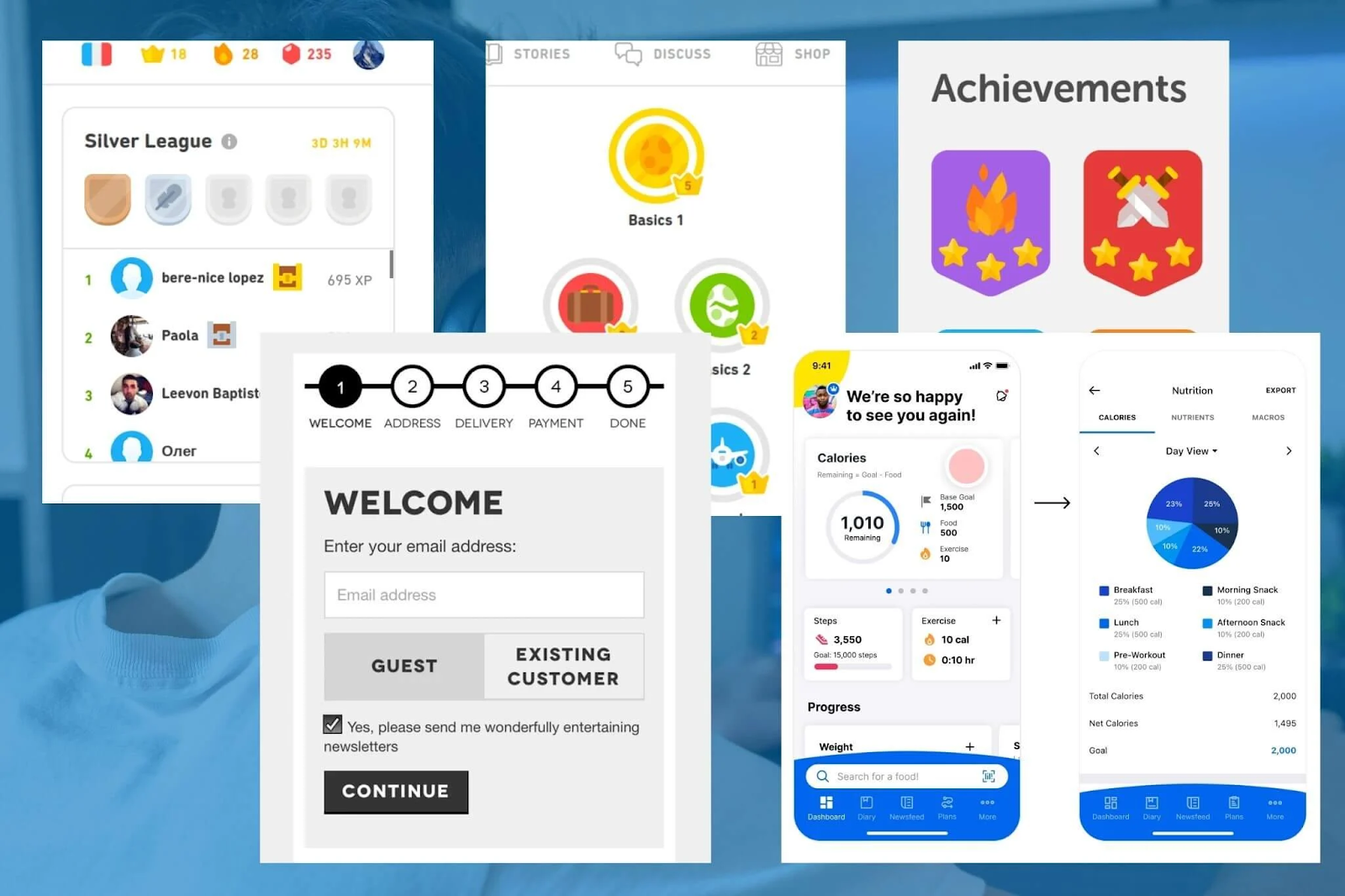
Leaderboards that don’t drive real loyalty. Points programs that feel hollow. Badges no one cares about.
When you bolt these on as standalone gimmicks, they create quick spikes in activity that plummet the second the novelty wears off. This points fatigue is one of the biggest reasons traditional loyalty programs lose momentum.
For gamification to work, it must go beyond shallow rewards. It requires psychological triggers to recognize progress and deepen how customers feel about your brand.
In 2026, brands are relying on dynamic, journey-based incentives that prioritize long-term Customer Lifetime Value (CLV) over vanity metrics.
This guide shows you how to weave gamified elements into your orchestration strategy so they drive revenue.
What is gamification in customer engagement?
Gamification is the application of game-design elements and psychological triggers, such as achievement, competition, and progression, within a non-game environment to drive specific customer behaviors.
While traditional loyalty programs are often transactional and backward-looking (rewarding you for what you spent), gamification is proactive and behavioral. It focuses on encouraging what the user is doing right now.
Key mechanics include:
- Progress loops: Visualizing a user’s journey (e.g., “70% profile completion”) to trigger the “endowed progress effect,” where people are more likely to finish a task they have already started
- Social proof and leaderboards: Tapping into competitive status and social influence, which is highly effective in fitness, beauty, and community-driven retail
- Challenges and streaks: Incentivizing Daily Active Usage (DAU) by rewarding consistency rather than just transaction volume
- Instant feedback: Providing micro-rewards (badges or animations) that create a dopamine loop, reinforcing desired actions immediately
To understand how these mechanics function in an enterprise setting, imagine a shopper interacting with a premium skincare brand.
They enter a journey designed around intrinsic motivation:
- The progress loop: A customer lands on their profile page and sees a Visual Tracker showing they are “85% of the way to VIP status.” This triggers the psychological desire to complete the set. The user is more likely to provide their skin type or birthday (valuable zero-party data) just to close that 15% gap.
- The challenge and streak: The brand launches a “7-Day Glow Streak.” Users are encouraged to log into the app daily to view a skincare tip. On day four, they unlock a “Beauty Ritualist” badge. The desire to maintain the streak drives consistent app engagement, ensuring the brand remains top-of-mind daily.
- Instant feedback: When a user uploads a photo review, they immediately receive an On-Screen Confetti Animation and a “Trendsetter” badge. This micro-reward reinforces the behavior of contributing user-generated content (UGC), which provides social proof for other shoppers.
- Social proof and leaderboards: A “Top Reviewers” leaderboard is displayed on the community page. Users in the top 10 receive early access to new product drops. This taps into the desire for status, transforming a standard shopper into a vocal brand advocate.
By the time the user reaches the VIP tier, they have participated in a brand experience. The retailer has successfully moved the customer from a price-sensitive browser to a highly engaged habitual buyer.
When gamification works: What drives success
Gamification succeeds when it is an extension of the brand experience.
Align with intrinsic motivation and brand values
Extrinsic rewards like points or prizes can grab attention at first, but they rarely keep people coming back. Real loyalty runs deeper. It’s driven by intrinsic motivators: a sense of purpose, the feeling of mastery, and visible progress.
When gamification is tied to what matters to your customers, it stops being a gimmick and starts building a lasting connection.
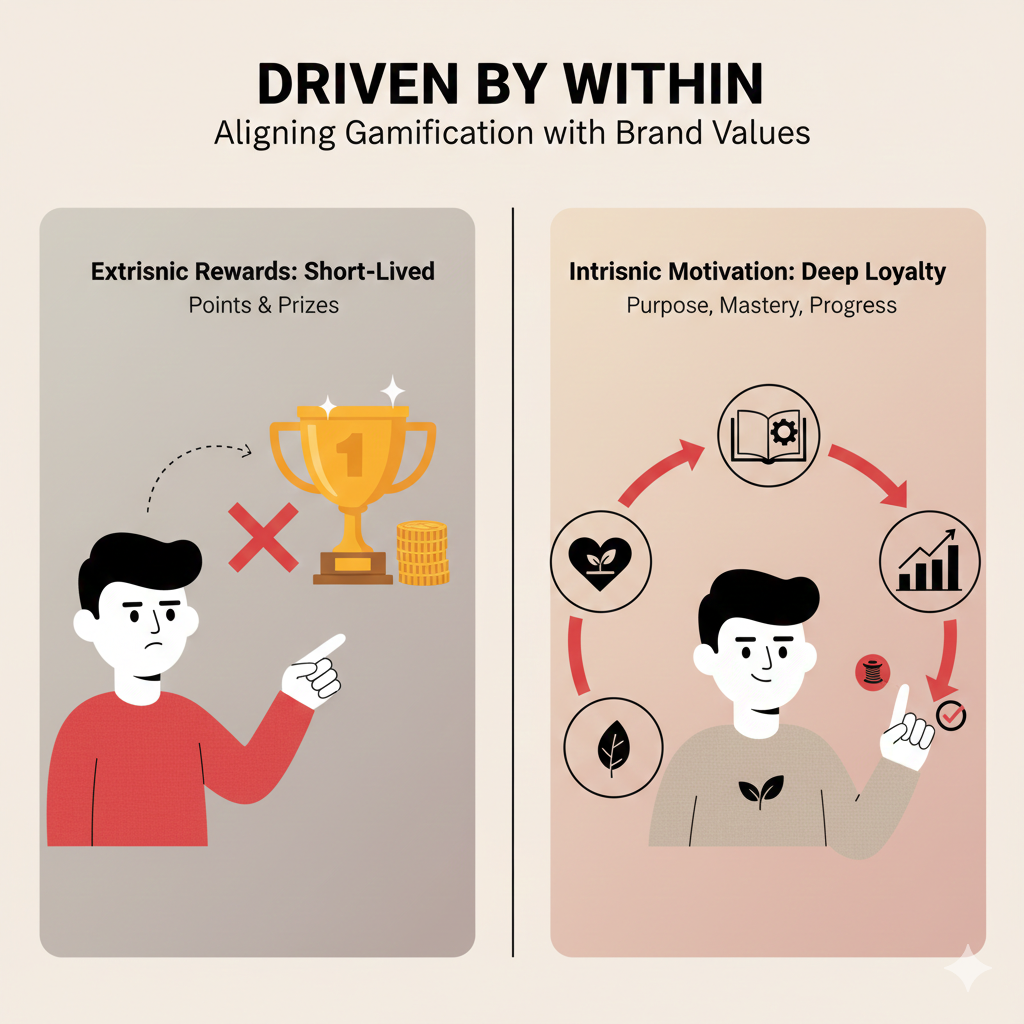
For example, a sustainable fashion brand might reward “Mastery” by giving badges to users who read about eco-friendly fabric care.
This transforms gamification into a meaningful extension of the company culture, fostering a deeper emotional commitment that external prizes alone cannot buy.
Clear objectives and meaningful behaviors
Gamification fails when it becomes “play for the sake of points.”
To drive ROI, your gamification mechanics must tieto specific business outcomes: increasing repeat purchase frequency, reducing churn, or driving referrals.
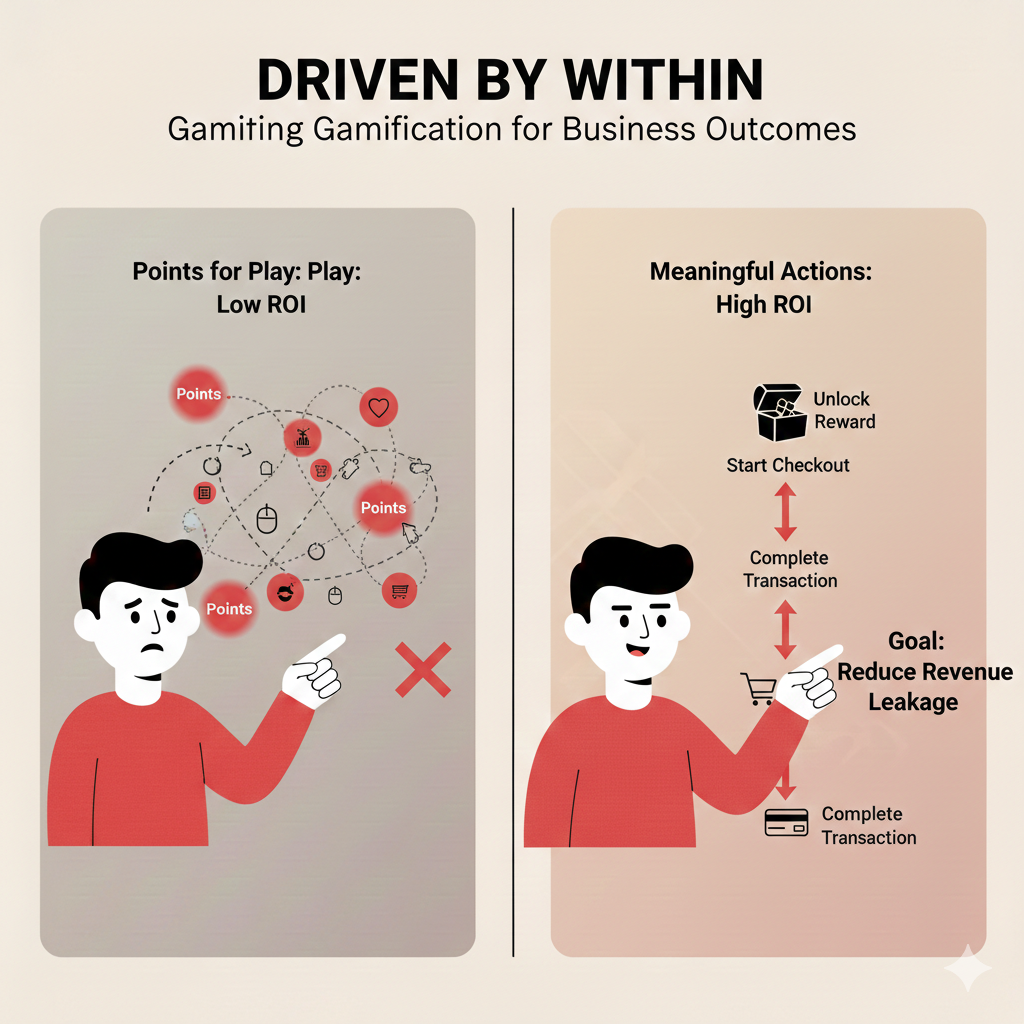
Instead of rewarding every click, high-performing brands use journey orchestration to incentivize high-value actions.
Say your goal is to stop revenue leakage in the checkout flow. You might implement a “First Purchase Quest” that unlocks a reward only after the transaction is complete.
This ensures the gamified logic supports the bottom line rather than creating a distraction that leads to points-chasing without conversion.
Right context and audience
A study published in Frontiers on mobile commerce found that gamification elements like challenges, points, and enjoyment significantly improve engagement, but only when they are contextually relevant.
The “Organism” phase of the S-O-R (Stimulus-Organism-Response) framework explains that users process stimuli differently based on their current state.
On a mobile app where attention is scattered, micro-challenges that take seconds to complete work far better than long-form competitions. Understanding your audience’s switching costs (the effort it takes to leave your platform) is critical.
Effective gamification builds psychological barriers to switching by giving users a status they’ve earned, one they’d lose if they moved to another platform.
Sustained novelty and feedback loops
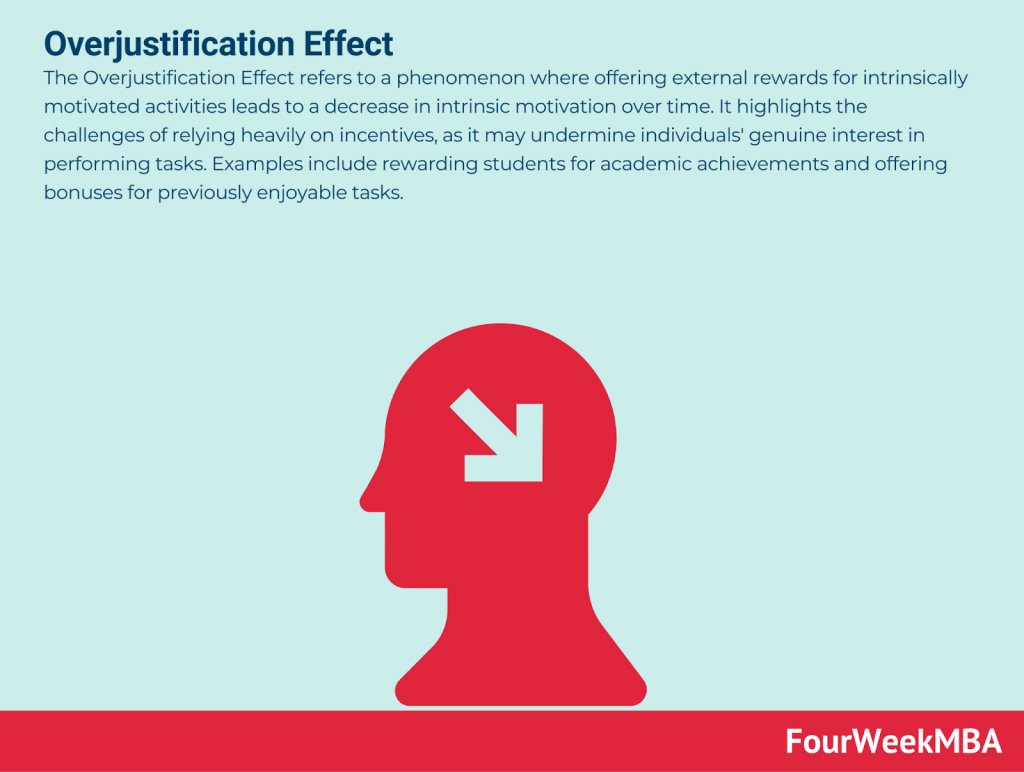
The “over-justification effect” kicks in when your mechanics get stale and users participate only for the reward, eventually leading to gamification fatigue.
To prevent this, your orchestration engine must provide a variable ratio of feedback.
Like:
- Real-time feedback: Instant dopamine hits via on-screen animations or push notifications when a milestone is reached
- Adaptive difficulty: Using AI to increase the challenge as the user becomes more proficient
- Sustained novelty: Periodically introducing new seasonal quests or limited-edition badges to re-ignite interest
Measurable outcomes and UX integration
To be enterprise-ready, gamification needs to be a native part of the user experience.
It should be weaved into the journey so seamlessly that the user doesn’t realize they are being gamified. They simply feel they are having a more interactive and rewarding experience.
With Sirius AI™ and a centralized orchestration layer, marketing teams can measure the exact impact of these mechanics in real time.
In addition, you can A/B test a “Gamified Onboarding” against a “Standard Onboarding” to see exactly how many points of retention are gained, allowing you to optimize your strategy based on hard data rather than intuition.
When gamification backfires: Warning signs and pitfalls
Poorly architected systems can erode trust, stifle genuine motivation, and create incentives you never intended.
So, it’s important to recognize these critical warning signs:
Misaligned mechanics and motivators
When game mechanics don’t match the social context or the user experience, gamification can easily backfire.
Take competitive leaderboards in environments that value collaboration or calm. They can create unhealthy rivalry and stress instead of engagement
If your brand values community and inclusivity, a hyper-competitive “Top Spender” leaderboard may alienate the 99% of your audience who feel they can never win.
Users disengage when they feel the game is rigged against them.
Focus on user activity, not outcome
Rewarding clicks over results is a fast track to empty engagement. If your mechanics prioritize volume over value, you’ll end up with users gaming the system rather than building real loyalty.
In enterprise settings, this manifests as users gaming the system to earn rewards without delivering business value.
- The pitfall: If you reward users for “number of products viewed,” they may simply click through dozens of pages as fast as possible to unlock a badge, without actually considering a purchase.
- The consequence: This creates “vanity metrics” that look good on a dashboard but lead to zero revenue growth. High-fidelity orchestration avoids this by tying rewards to progression, such as “Complete a profile and make a purchase,” ensuring that every gamified move aligns with a strategic outcome.
Extrinsic rewards overshadow intrinsic motivation
The Over-justification Effect is a documented psychological phenomenon where introducing external rewards (points/badges) actually reduces a user’s pre-existing internal interest in an activity.
Data from Open Loyalty suggests that if a customer already loves your brand because of its quality, but you start paying them in points to engage, they may eventually stop caring about the brand and only care about the points.
When the points stop, the engagement stops. To prevent this, your gamification must support Self-Determination Theory (SDT) by fostering:
- Autonomy: Letting users choose their own “Quests”
- Competence: Making rewards a signal of skill or mastery (e.g., a “Product Expert” badge)
- Relatedness: Using social features to connect users to a larger community
Fatigue, novelty loss, and gamer abuse
Gamification fatigue hits when challenges are too repetitive or predictable. Without a real-time orchestration layer to refresh the experience, users lose interest once they have cleared the first few easy levels.
Then there’s gamer abuse, which occurs when savvy users find loopholes or cheats to gain rewards.
If your system is not robust, a few bad actors can dominate leaderboards or drain reward pools, undermining the sense of fairness and transparency for the rest of your community.
How to do gamification right
Follow these steps to implement gamification right:
1. Define clear business goals and desired behaviors
Success in gamification begins with the “Why.”
Too many enterprises fail because they implement fun features without a clear commercial anchor.
To drive real ROI, gamification must be tethered to measurable business outcomes.
Like:
- Increasing Customer Lifetime Value (CLTV)
- Reducing cart abandonment
- Boosting referral rates
Examples:
- If your goal is to reduce cart abandonment, your gamification should trigger at the point of hesitation. Instead of a generic badge, use a Mystery Reward revealed only when the user returns to their cart within 60 minutes. This can turn a static checkout into a time-sensitive mission with a tangible payoff.
- To increase CLTV, incentivize the behaviors that happen between purchases. Reward users for mastery actions like completing a skin-type profile or joining a community forum. This creates a psychological sunk cost, which means a user is less likely to switch to a competitor if they have already invested the effort to reach “Expert” status with your brand.
- To boost referral rates, move beyond a simple static link. Implement a “Referral Streak” or a tiered system where incentives improve with every successful sign-up. By visualizing this progress with a status bar, you transform a manual task into a social competition that feeds your acquisition funnel.
2. Understand audience and context
For gamification to work, your strategy must be grounded in segmentation and personas, acknowledging that what motivates a discount-driven shopper will fail to resonate with a high-net-worth VIP.
The context of the interaction dictates the choice of mechanics.
For instance:
- High-frequency retail environments thrive on visual delight, social proof, and immediate micro-rewards. A “Mystery Box” reveal upon app login or a “Social Share” challenge can tap into the shopper’s desire for instant gratification and community belonging.
By leveraging a Customer Data Platform (CDP), your orchestration layer can determine the right moment to trigger a game mechanic.
3. Select mechanics aligned with motivation and brand values
Choosing the right game mechanics is a branding decision as much as a psychological one.
Your selected tools (points, challenges, tiers, or leaderboards) must serve as a natural extension of your brand’s voice. If the mechanic feels disconnected from your core values, it risks appearing gimmicky and can undermine consumer trust.
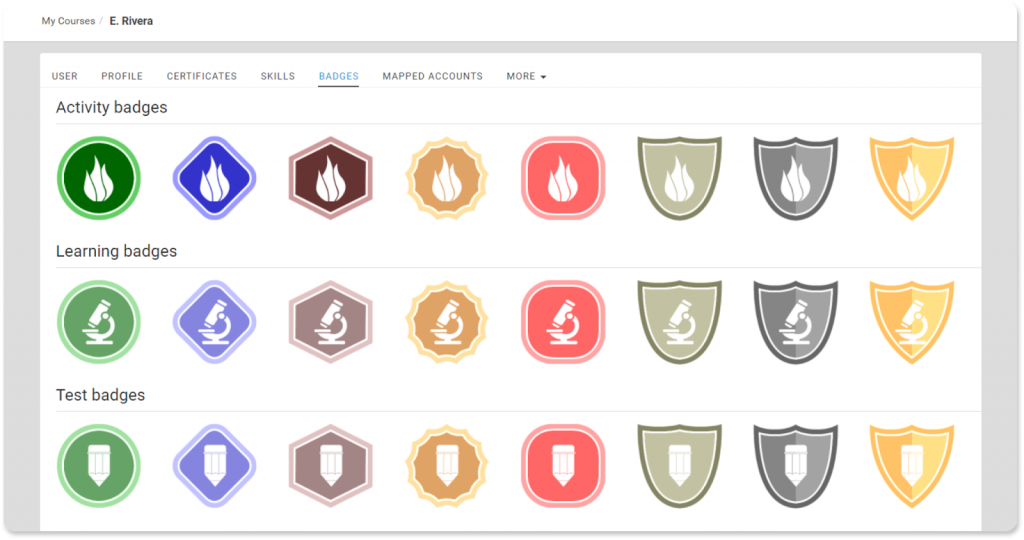
- Tiers for long-term status: For premium and luxury brands, tiers are the most effective mechanic. They create an aspirational ladder of exclusivity that rewards cumulative loyalty. Rather than loud animations, these brands focus on unlockable experiences such as early access to limited collections or private concierge services
- Challenges for behavioral spirits: When you need to drive a specific time-sensitive action,like a product launch or a seasonal clearance, challenges provide the necessary urgency. A “Three-Day Discovery Quest” that encourages users to explore new categories can break habitual browsing patterns and lead to a broader cart.
- Leaderboards for social validation: Use Leaderboards judiciously. They are highly effective in competitive or community-driven sectors like fitness or high-growth retail, where “Social Proof” is a primary motivator. However, ensure they remain inclusive; a leaderboard that only rewards the top 1% can demotivate the rest of your audience.
By aligning mechanics with brand values, you ensure the gamified journey feels authentic.
4. Sustain long-term engagement
The greatest risk to any gamification strategy is the novelty cliff—the moment a user becomes bored because the rewards are too predictable. You must build a journey that evolves alongside the customer’s relationship.
- Evolving rewards: If a user receives the same coupon every time they “level up,” the incentive loses value. Use Sirius AI™ to vary the rewards based on real-time behavior. Delivering a “Surprise & Delight” reward, like an unexpected free sample or an invitation to a closed-door event) can re-ignite the dopamine loop and keep the shopper curious about what comes next.
- Seasonal gamification: Inject limited-time game layers, such as a “12 Days of Gifting” treasure hunt, to create urgency and prevent the core loyalty program from feeling stagnant.
- Dynamic feedback loops: A sustained journey requires constant communication. Use journey orchestration to trigger real-time udges via WhatsApp or Push. A message like “You’re only 20 points away from Gold Status” serves as a powerful psychological anchor.
5. Measurement and iteration
To prove the ROI of gamification, look past vanity numbers like total badges awarded or app opens.
Instead, focus on the quality of behavior:
- Track conversions: Judge your gamification layer by its impact on deep-funnel outcomes. If you launch a “Review Quest,” track the percentage of verified purchases that resulted in high-quality reviews with User-Generated Content (UGC).
- Segment-level attribution: Use your orchestration platform to analyze how gamification affects different segments. You may find that VIPs are motivated by exclusive status badges, while at-risk users respond better to immediate point multipliers, allowing you to stop blanket-rewarding and start optimizing for profit.
- The iteration loop: Gamification is a data-driven experiment. Use Insider One’s Architect to A/B test a linear progress bar against a milestone-based system. By analyzing drop-off points, you can identify where a challenge becomes a chore and pivot your strategy in real-time.
6. Risk mitigation checklist
Gamification taps into powerful psychological triggers. That’s why it carries a higher degree of risk over standard marketing.
If your execution feels manipulative, unfair, or clunky, you will lose the customer’s trust.
So, before launching any gamified journey, cross-reference your strategy against this enterprise-ready checklist:
- Avoid whale-dominated leaderboards by creating parallel tracks for community or sustainability actions, ensuring every segment has a clear path to achievement
- Prevent friction by ensuring rules are intuitive and scores update in real-time across all channels to avoid the frustration of delayed gratification
- Mechanics must be natively integrated through a centralized orchestration layer so that achievements earned on one channel are immediately recognized across your entire ecosystem
- Exchange rewards for zero-party data transparently, ensuring users feel they are trading insights for a better experience rather than being surreptitiously tracked
Quick comparison: When to gamify vs. when to avoid
Here’s a quick comparison table:
| Strategic Lens | When to Gamify | When to Avoid |
| User Objective | High Engagement Potential: When you want to encourage habitual, frequent interactions like daily logins, profile completion, or community reviews. | High-Friction Transactions: When the user is performing a sensitive or stressful task (e.g., filing an insurance claim or managing high-value debt). |
| Business Outcome | Clear Incremental Goals: When you can tie rewards to specific micro-conversions like “Refer a Friend” or “Add 3 Items to Cart.” | Ambiguous Value: When you lack the tracking to prove a lift in revenue, leading to “confetti for the sake of confetti” without ROI. |
| Audience Profile | Receptive & Playful: Particularly effective for Millennials and Gen Z who value interactivity, status, and digital badges. | Skeptical or Time-Poor: B2B decision-makers or high-net-worth individuals who may view game elements as a distraction or a lack of professionalism. |
| Technical Readiness | Seamlessly Integrated: When your orchestration layer can update “scores” and trigger rewards across all 12+ channels in real-time. | Poorly Integrated/Siloed: When points are delayed or inconsistent across web and app, leading to technical friction and customer distrust. |
| Psychological Impact | Intrinsic Motivation: When the game makes a boring task (like product education) genuinely satisfying or rewarding. | Risk of Gaming Behavior: When the rewards are so lucrative that they encourage cheating or low-quality activity just to win. |
| Golden Rule: If the gamification doesn’t add value to the customer’s experience, it will eventually subtract value from your brand. |
FAQs
Gamification is the strategic integration of game-design elements, such as points, badges, tiers, and progress bars, into non-game environments to drive specific customer behaviors. It involves the use of psychological triggers to motivate users through the customer lifecycle, transforming passive browsing into active participation.
It taps into fundamental human drivers like achievement, competition, and curiosity.
By providing instant feedback (e.g., a “Level Up” notification) and visualizing progress (e.g., a completion bar), brands create a dopamine-driven habit loop. This encourages users to spend more time within the brand’s ecosystem and complete high-value actions they might otherwise ignore.
Yes.
Gamification backfires when it is perceived as manipulative, clunky, or irrelevant to the brand.
If the “game” is too difficult, users become frustrated; if it is too easy, they become bored.
Additionally, if the rewards are too transactional, you risk the “Over-justification Effect,” where customers only engage for the prize and lose their intrinsic connection to your brand.
The most frequent errors include:
Rewarding activity instead of outcomes: Giving points for clicks rather than conversions.
Lack of transparency: Unclear rules that make users feel cheated.
Technical silos: A badge earned on an app not showing up on the website, causing friction.
Ignoring the audience: Using loud arcade-style mechanics for a high-end luxury or professional B2B audience.
Traditional loyalty programs are often transactional and backward-looking.
They reward you for what you spent in the past (e.g., “Spend $100, get a $10 coupon”).
Whereas, gamification is behavioral and proactive. It encourages you in what you are doing right now (e.g., “Complete your profile to unlock Gold Status”).
Ask three questions:
Do you have clear micro-behaviors (like writing reviews or daily logins) that lead to revenue?
Is your audience receptive to interactive status-based rewards?
Do you have the technical orchestration layer to recognize and reward these behaviors in real-time across all channels?
If the answer to all three is “Yes,” gamification can be a significant growth lever.