Plus: WaPo layoffs pave way for more independent publishing; TikTok researchers find little evidence of censorship.
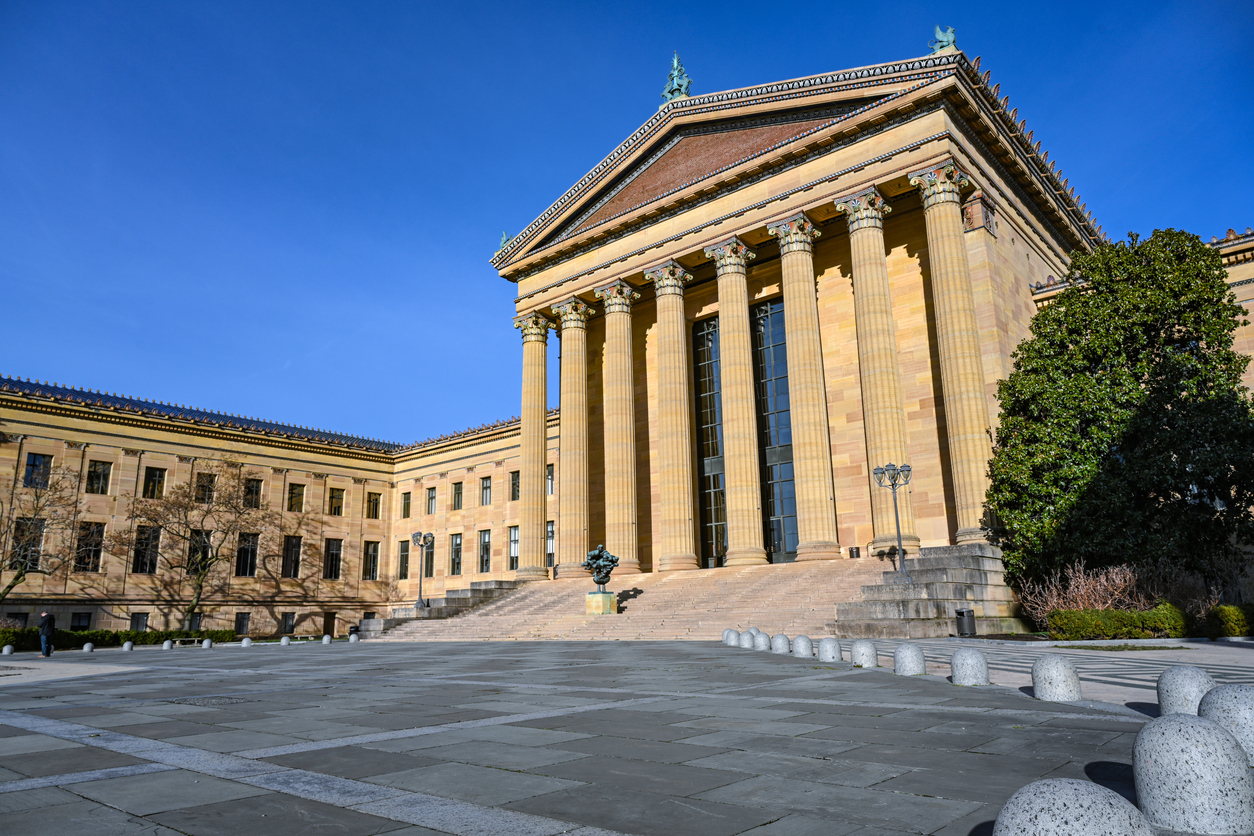
The Philadelphia Museum of Art’s attempt to redefine itself through a major rebranding has ended with a reversal.
“It was a misstep,” Daniel Weiss, the museum’s director and chief executive, told the New York Times. “The reason there was so much public consternation and criticism is because it didn’t resonate.”
The rebrand, launched in October 2025, stripped the nearly 90-year-old name of one word and adopted the shorthand “PhAM,” for the Philadelphia Art Museum, along with a new logo and identity, the outlet reports.
It aimed to refresh the museum’s image, boost attendance and show progress toward a more contemporary institution.
But public reaction skewed negative, with critics and Philly locals mocking the shortened name and acronym, even jokingly calling it “PhArt,” and many longtime supporters expressed confusion over the change.
Just weeks after the rollout, the museum’s board of trustees dismissed director and CEO Sasha Suda “for cause,” a move widely linked to the backlash and internal discord surrounding the branding effort.
This month, the museum formally walked back the name change, restoring it as the Philadelphia Museum of Art while retaining select visual elements of the new identity.
Board leadership emphasized that listening to stakeholders and balancing innovation with tradition were central to the shift back.
“The institution has been through a difficult time, something like a trauma,” Weiss said. “My goal is to stabilize the institution and restore trust.”
Why it matters: Rebrands hit differently when they involve historical institutions with strong emotional ties.
People see the Philadelphia Museum of Art as more than a brand. They see it as part of their city, local culture and identity. When a big change lands without enough context or buy-in, confusion can turn into backlash fast.
Audiences want to understand why a change is happening and what problem it’s meant to solve. If that story isn’t clear, people fill in the gaps themselves.
Weiss owned the mistake and stated plainly that the institution needs to regain the trust of its supporters. Accountability is critical when missteps are made and it shows audiences that they’re being heard, which could help rebuild trust.
The incident also shows how important internal alignment is during major moments of change. If leadership, boards and stakeholders aren’t on the same page, a branding decision can quickly turn into a credibility issue.
Once trust is shaken, walking things back is far harder than bringing people along from the start.
Editor’s Top Reads:
- The Washington Post instituted major layoffs this week, cutting about one-third of its workforce in a restructuring that affects newsroom and business roles. The NYT reports that editors announced the cuts on a company call, part of what leadership called a “strategic reset” to focus on fewer priority areas like politics and national news while scaling back or closing long-standing units such as the sports department, international bureaus and its daily podcast. The moves come amid financial struggles, declining online traffic and competition with digital formats, and they have sparked strong backlash from staff and former leaders who warned that the cuts will weaken the paper’s impact and its role in American journalism. Journalists displaced by these cuts could quickly turn to Substack or independent publishing tools as ways to maintain their voices and direct connections with audiences. Relationships with individuals over outlets are becoming more valuable. Additionally, having diversified engagement strategies and owning some of your own audience channels through email, social or content platforms, can also help you stay more resilient when traditional outlets cut back or change focus. Our thoughts are with the many who lost their jobs this week.
- There’s been a lot of buzz online about whether TikTok is censoring certain political topics since its U.S. ownership changed hands. Some users complained that they couldn’t send the word “Epstein” in direct messages and that videos about immigration, Trump or other hot-button subjects weren’t showing up in feeds, NPR TikTok says it hasn’t changed its content rules and is looking into the messaging issue. Researchers who dug into trends during the platform’s recent outages didn’t find clear evidence that only political content was being censored. Instead, they saw that views across many topics dropped when the system was disrupted. But they also said that it’s tough to study TikTok’s algorithm without deeper access or more transparency regarding content moderation changes. Even if a problem is technical, users are quick to assume intent, and that belief alone can drive backlash and platform switching. For PR teams, especially those managing brands or creators on TikTok, it’s a reminder to plan for uncertainty. Be ready to explain sudden dips in reach, talk honestly about platform limits and avoid over-promising visibility. More broadly, this reinforces the value of not relying on one platform alone. When trust in a channel falters, having diversified platforms and clear communication can help brands and independent creators stay steady instead of scrambling.
- Brands have already begun teasing ads that will run during Super Bowl LX this Sunday, mixing old favorites and newer names. Budweiser is going patriotic with its well-known Clydesdales and a bald eagle, Bud Light is going for laughs with a keg‑chase ad. Others are using celebrities and fun concepts, like Pepsi reigniting the cola-wars with polar bears picking Pepsi over Coke. Xfinity imagines how better Wi-Fi might have changed the end of Jurassic Park, with key actors, including Jeff Goldblum, taking part in the ad. Pringles is appealing to Gen Z with pop star Sabrina Carpenter. Many of these ads are already trending online, getting people talking even before the game, Newsweek reports. Super Bowl ads often spark social media buzz, memes and news coverage that lasts for days, all before the kickoff. That means brands should be planning beyond the 30‑second spot and thinking about how to incorporate storytelling, social posts, follow-ups and how your ad can fit into bigger trends. Brands that can keep the conversation going can turn their ads into real cultural impact rather than just a moment on TV.
Courtney Blackann is a communications reporter. Connect with her on LinkedIn or email her at courtneyb@ragan.com.
The post The Scoop: Philadelphia Museum of Art undoes controversial rebrand appeared first on PR Daily.