
Generative AI in marketing gets talked about like it’s the end of the internet.
Like the moment you use ChatGPT, your content turns into AI slop, your brand voice disappears, and Google buries your site forever.
And sure, artificial intelligence can be abused. We’ve all seen the low-effort pages that say nothing and somehow still exist in search results.
But that kind of content rarely wins long term. Even if it ranks, it usually gets outranked the moment better content shows up.
The real problem isn’t generative AI. It’s people using it lazily.
When you use it properly, AI doesn’t replace digital marketing, it speeds it up. It removes the boring parts, helps you move faster, and makes your team more productive.
In this article, I’ll break down why generative AI isn’t the disaster people think it is, and how I use it across SEO, marketing, lead gen, and analytics without turning everything into robotic noise.

Link building cheat sheet
Gain access to the 3-step strategy we use to earn over 86 high-quality backlinks each month.
Generative AI Gets a Bad Rep
Generative AI gets a bad rep for a pretty simple reason: most people use it in the worst possible way.
They copy-paste a prompt like “write me a blog post about X,” publish whatever comes out, and act surprised when it reads like a Wikipedia rewrite with zero personality.
That’s the AI content everyone complains about.
And to be fair, that kind of AI slop usually doesn’t rank. Google isn’t impressed by 2,000 words of generic filler that doesn’t add anything new.
Even when it does rank, it rarely holds its position for long. The moment someone publishes a better piece with real examples, real structure, and real intent behind it, the AI-generated fluff gets pushed down.
What’s funny is that gen AI itself isn’t the issue.
Ahrefs actually studied a huge set of ranking pages and found basically no correlation between how AI-written a piece of content is and how well it ranks. In other words, using AI tools doesn’t automatically help or hurt you. It depends on what you publish.
So I don’t see generative AI as the problem. The problem is treating it like a replacement for marketing strategy.
Used properly, AI is just a speed tool. It helps you move faster, but you still need a human behind the wheel.
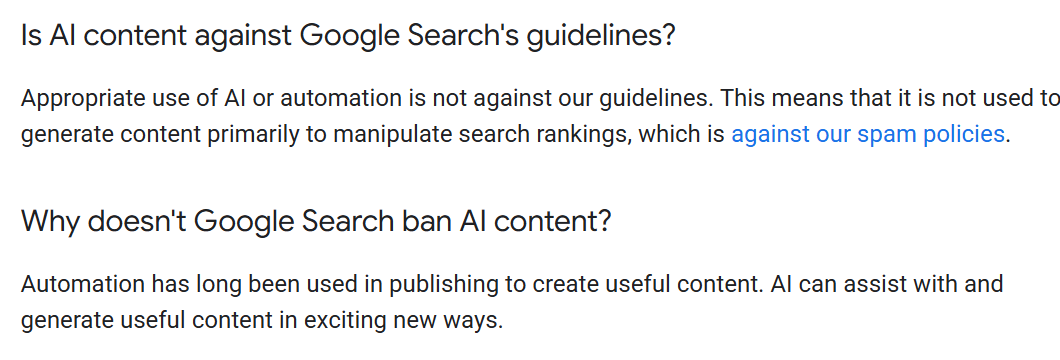
In fact, Google themselves stated that they don’t have any problem with AI content as long as it’s created with EEAT in mind.
And what if I told you that content creation is just one application for AI marketing?
Machine learning models can drastically speed up your workflow across multiple areas.
Let’s dive into other places where these AI tools make a real difference.
Generative AI for in SEO
Keyword Research
Keyword research is one of the best places to use generative AI tools, because it speeds up the boring part.
Not the metrics. Not the validation. The brainstorming.
ChatGPT isn’t a keyword research tool. It doesn’t know real search volume, keyword difficulty, or how competitive a SERP actually is. Half the time it will confidently suggest keywords that nobody searches for.
But as an AI marketing tool, it’s insanely good at helping you find angles you would have missed.
When I’m starting a new content cluster, I’ll use these AI tools to generate seed topics first. Broad themes, categories, and subtopics that make sense for my niche. Then I’ll push it into long-tail territory, because that’s where the real opportunities usually are.
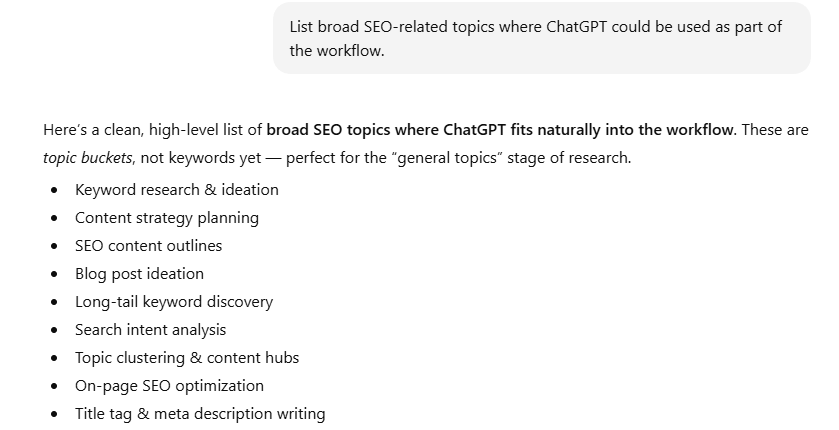
Instead of spending an hour manually thinking through every variation, I can get 50 ideas in 30 seconds.
The best use case is long-tail keyword discovery.
If I feed it something like “link building outreach,” it’ll quickly spit out the kinds of queries people actually type into Google, like:
- link building outreach templates
- how to follow up on link building emails
- best outreach tools for backlinks
- how to do blogger outreach without getting ignored
Those are the types of keywords that are often low competition, super intent-driven, and easy to turn into actual content.
Then I do the part AI can’t do.
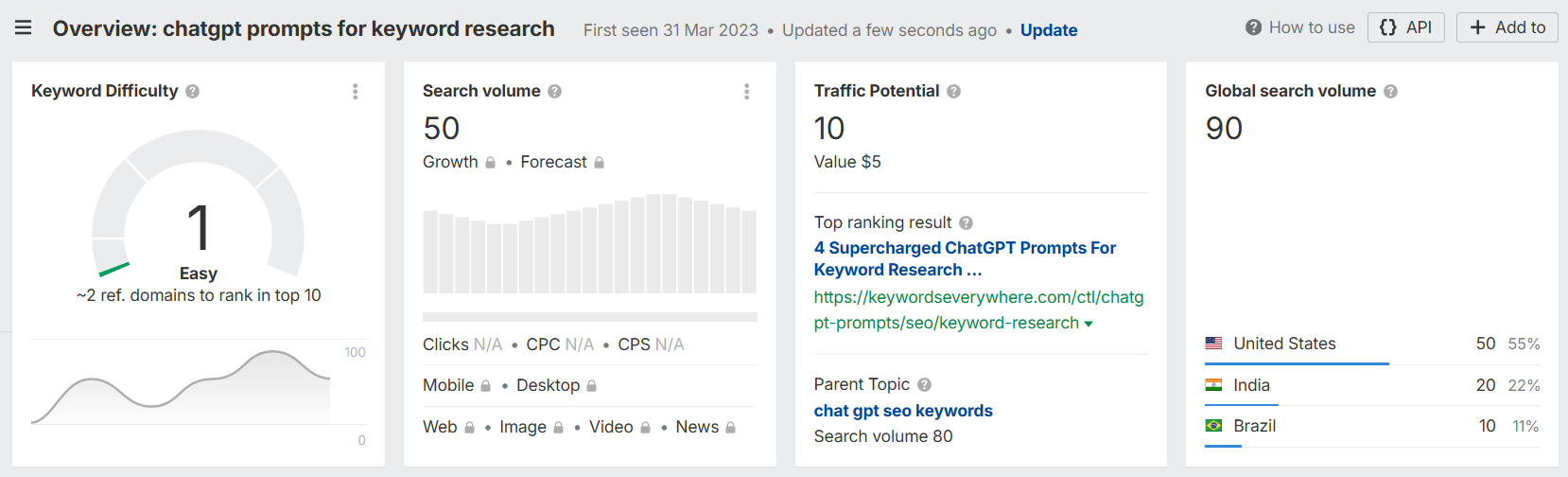
I take the list into Ahrefs, filter by difficulty, check the SERP, and see what’s realistically rankable. AI gives me ideas, Ahrefs tells me which ones are worth my time.
Content Creation and Repurposing
This is arguably the most obvious application of generative AI for marketers.
Don’t use it to blindly write full articles from scratch. Use it to take something I already wrote and turn it into ten other formats in minutes.
For example, if I publish a blog post, I’ll feed it into ChatGPT and ask it to repurpose it into:
- a LinkedIn post
- a Twitter thread
- 5 short social media captions
- an email newsletter version
- a “quick tips” carousel outline
- a short script for a Reel or TikTok
That kind of content creation used to take hours. Now it takes a few prompts.
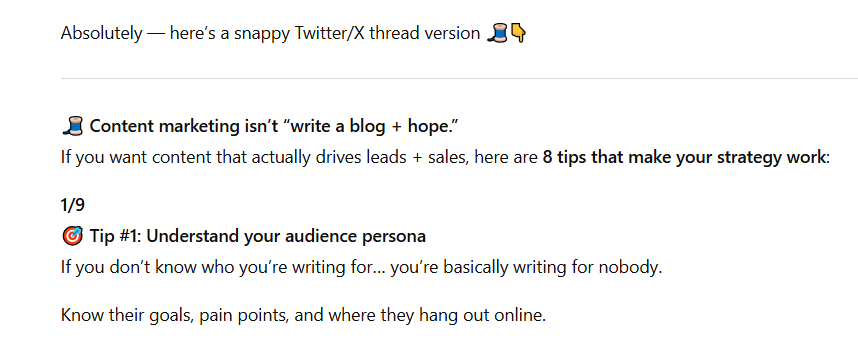
And the best part is that it keeps the messaging consistent.
Content Optimization
Once your article is written, don’t waste time manually editing it like it’s 2015.
One of the best content optimization workflows right now is using AI tools + a keyword tool together.
Here’s how it works:
- Write the article normally (focus on quality first).
- Run it through MarketMuse or SurferSEO to generate a keyword/topic report.
- Paste both the article and the report into AI and ask it to:
- naturally add missing keywords
- expand weak sections
- improve headings
- fill topic gaps without keyword stuffing
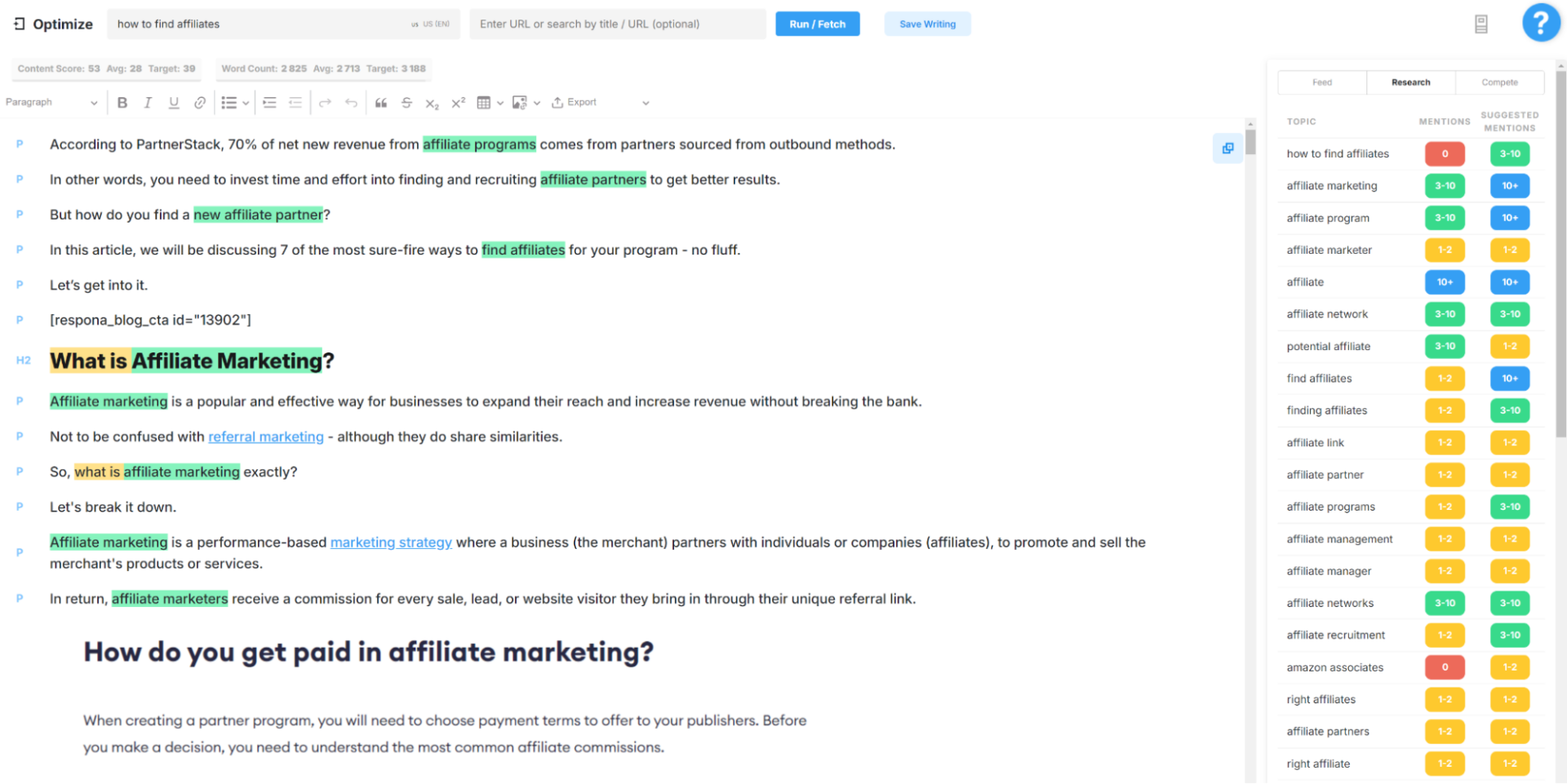
This saves hours and makes your marketing campaigns more comprehensive (which is exactly what Google rewards).
AI is also perfect for optimizing your post to show up in Google AI Overviews.
You can literally ask it to rewrite parts of your article into “AI-friendly” formats like:
- a 2–3 sentence answer paragraph near the top (the snippet AI can pull)
- a quick bullet summary of the main points
- short “What is X?” sections
- FAQs with clean, direct answers
The goal is simple: make your content easy for AI to extract and quote.
If your content is structured like an answer, it’s way more likely to become the answer.
Summarizing SEO Audits into Plain English
SEO audits usually come with a mountain of data from Google Analytics, Search Console, Ahrefs exports, crawl reports, keyword rankings, backlinks, customer data, and more.
The problem is that most people spend hours staring at spreadsheets and still walk away unsure what to fix first.
Just look at this incoherent mess:
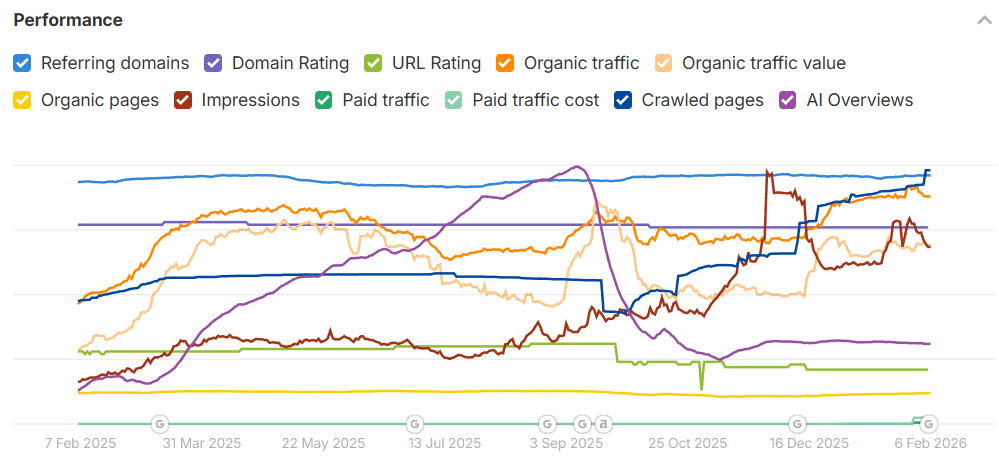
This is where AI tools become extremely useful.
You can upload or paste a large dataset and ask AI to summarize it into clear takeaways like:
- what the biggest issues are
- what is improving vs. declining
- what pages are underperforming and why
- what traffic drops matter vs. what is just noise
- what to prioritize first for the biggest SEO wins
Instead of manually analyzing every row, you get a plain-English explanation like:
“Organic traffic is up, but conversions are down because your top pages are not driving users deeper into the funnel.”
It turns raw SEO data into an actual action plan.
Competitor Research
Competitor research is one of the fastest ways to find content opportunities that already work.
Instead of brainstorming topics from scratch, you can analyze what competitors are ranking for, which pages bring them the most traffic, and what keywords they are dominating.
AI makes this even easier.
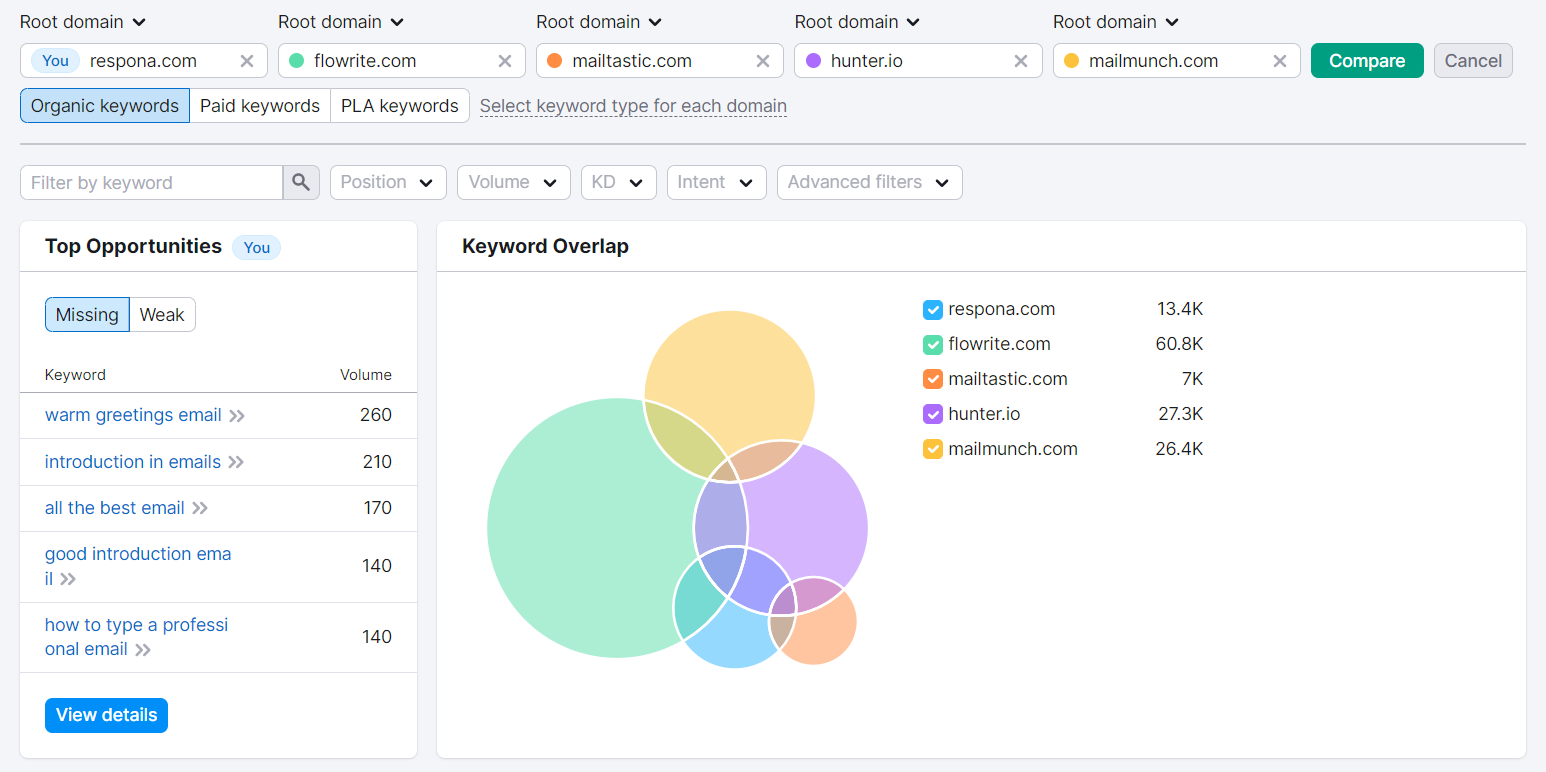
You can feed AI competitor URLs, top-ranking pages, or keyword exports from tools like Ahrefs or Semrush and ask it to identify:
- content gaps you should cover
- topics they rank for that you do not
- patterns in their structure and formatting
- what you can improve or differentiate on customer experience
Generative AI for Marketing
Writing Webinar Scripts and Slide Outlines
Repurposing marketing content is not just turning a blog post into social media posts.
One of the smartest AI marketing moves is turning your best-performing articles into webinars.
Instead of starting from scratch, you can feed AI an existing blog post and ask it to generate:
- a full webinar script
- a slide-by-slide outline
- talking points for each section
- audience Q&A prompts
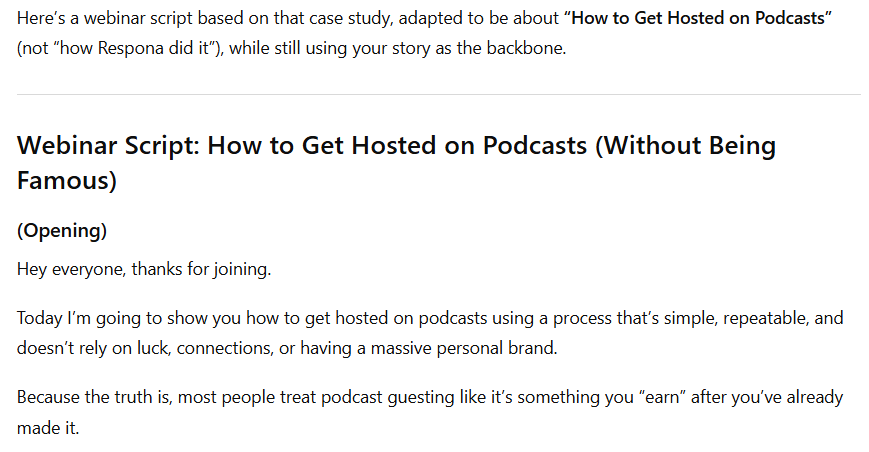
This makes it easy to turn written content into a high-converting webinar in a fraction of the time, while keeping the messaging consistent across campaigns and formats.
Creating hooks for video scripts and TikToks/Reels
Short-form video lives or dies in the first 2 seconds, especially when it comes to customer engagement on social media.
AI is great for generating multiple hook variations fast. Just feed it your topic or blog post and ask for scroll-stopping openers like:
- bold claims
- quick “did you know?” stats
- common mistakes
- controversial takes
- before/after outcomes
This makes it easy to test different hooks and instantly improve retention on TikToks, Reels, and Shorts.
Cleaning Messy Spreadsheet Data (Categories, Labels, Grouping)
This is one of the least flashy but most useful GenAI applications I’ve found.
If you’ve ever exported a list of keywords, leads, backlinks, or customer behaviour data, you know the pain. Everything is messy.
Half the rows are duplicates. Company names are inconsistent. Categories are missing. Some entries have weird formatting that ruins your filters.
Look familiar?
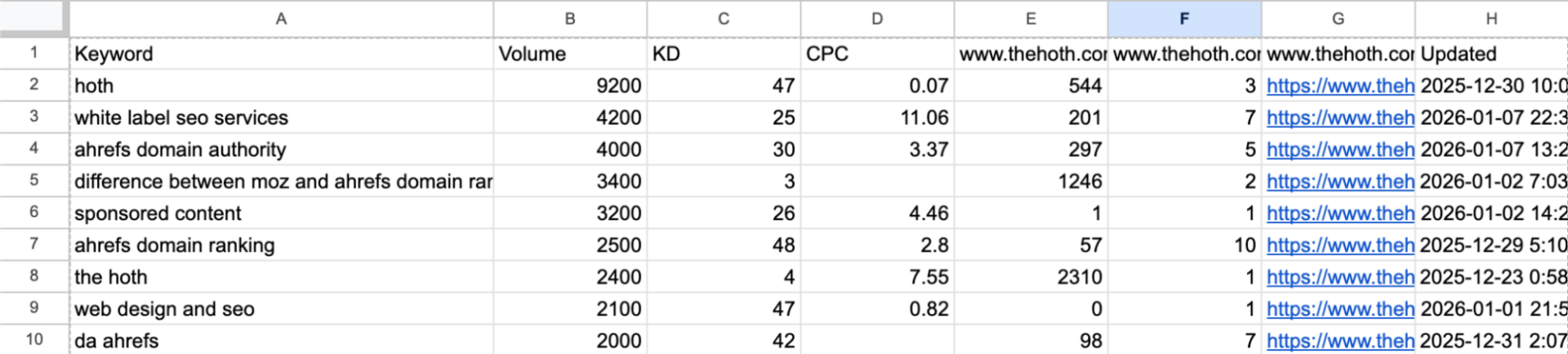
Normally, cleaning that takes hours.
With GenAI, I can just paste a chunk of the spreadsheet data and ask it to normalize everything. For example, I’ll have it group similar items under the same label, create consistent naming conventions, or categorize rows based on intent or industry.
Generative AI for Lead Generation
Writing Personalized Cold Emails Faster
One way marketing teams can speed up writing personalized cold emails is by using AI-generated variables instead of relying only on static CSV fields (like first name, company name, or job title).
For example, Respona’s AI variables can generate unique personalization snippets for each recipient based on contextual details, meaning the personalization changes from lead to lead without needing manual research.
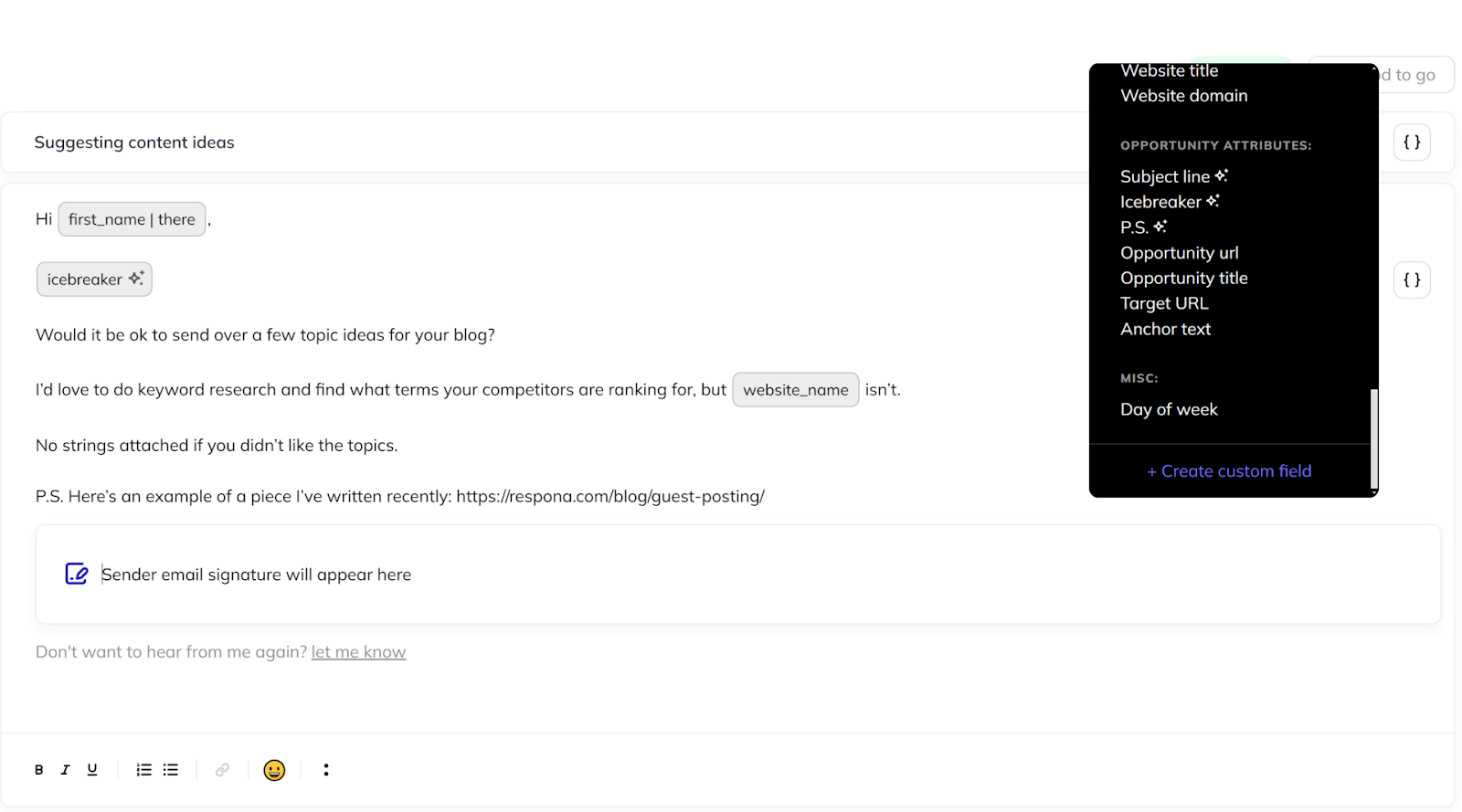
This makes it possible to send emails that feel tailored without writing every intro from scratch.
In practice, this approach enables a mostly hands-off workflow where AI adoption helps create personalization automatically at scale, without sacrificing quality.
Creating Objection-Handling Responses for SDRs
AI agents can help SDRs respond faster by generating objection-handling replies based on common pushbacks (e.g., “no budget,” “not interested,” “already using someone,” or “follow up later”).
Instead of writing responses manually each time, SDRs can use AI to quickly produce clear, professional replies that address the concern, reinforce the value, and keep the conversation moving forward while still sounding natural and human.
Summarizing Call Transcripts and Extracting Objections
AI can help your marketing team and sales teams save time by automatically summarizing call transcripts and pulling out the most important takeaways, such as key pain points, decision factors, and next steps.
It can also extract recurring objections (like pricing concerns, timing issues, or competitor comparisons), making it easier to identify patterns across calls and improve messaging, follow-ups, and future sales conversations.
Link building cheat sheet
Gain access to the 3-step strategy we use to earn over 86 high-quality backlinks each month.
Now Over To You
Generative AI is already changing how marketing teams create content, personalize outreach, and scale campaigns faster than ever. But AI tools alone don’t guarantee results. Execution does.
If you want to turn AI-driven content into real authority and rankings, Respona’s done-for-you link building helps you earn high-quality backlinks from real websites without the busywork.
Submit your first order today and let us handle the outreach while you focus on growth.
Frequently Asked Questions (FAQ)
What is generative AI marketing?
Generative AI marketing is the use of AI models to create marketing content like blog posts, ad copy, emails, social posts, and even creative assets. These generative AI models help teams produce content faster while still keeping campaigns targeted and relevant.
How is generative AI used in SEO?
Generative AI is commonly used to speed up keyword research, outline creation, content drafting, and content refreshing. It can also support link building by improving outreach messaging and helping marketers scale content generation efficiently.
Does generative AI replace marketers?
Not exactly. It replaces repetitive tasks, not strategy. The best results still come from humans guiding the messaging, positioning, and campaign direction.
Is AI-generated content bad for Google rankings?
AI generated content isn’t automatically penalized, but low-quality or unhelpful content is. Google rewards content that’s useful, original, and written for people, regardless of whether artificial intelligence was involved in the process.
What are the biggest risks of using generative AI in marketing?
The biggest risks are publishing generic content, spreading incorrect information, and losing brand voice consistency. AI technology works best when it’s paired with human editing, fact-checking, and clear brand guidelines.