[ad_1]
Plus: ‘AI-washing’ is the hot new layoff trend; new Nestlé CEO gets candid.
Bad Bunny offered a political, heartfelt and defiant acceptance speech for his Best Album of the Year Grammy. He used the slogan “ICE out!” to call for an end to forced deportations on American streets before switching to a more persuasive tone: “We’re not savage, we’re not animals, we’re not aliens. We are humans, and we are Americans,” the Puerto Rican singer said.
In one week, Bad Bunny will headline the Super Bowl halftime show. His very selection— alongside the choice to have Green Day, also vocal Trump decriers, perform during the opening ceremonies—has already drawn controversy from the president and conservatives who decried his political messages and the fact that his songs are mostly in Spanish.
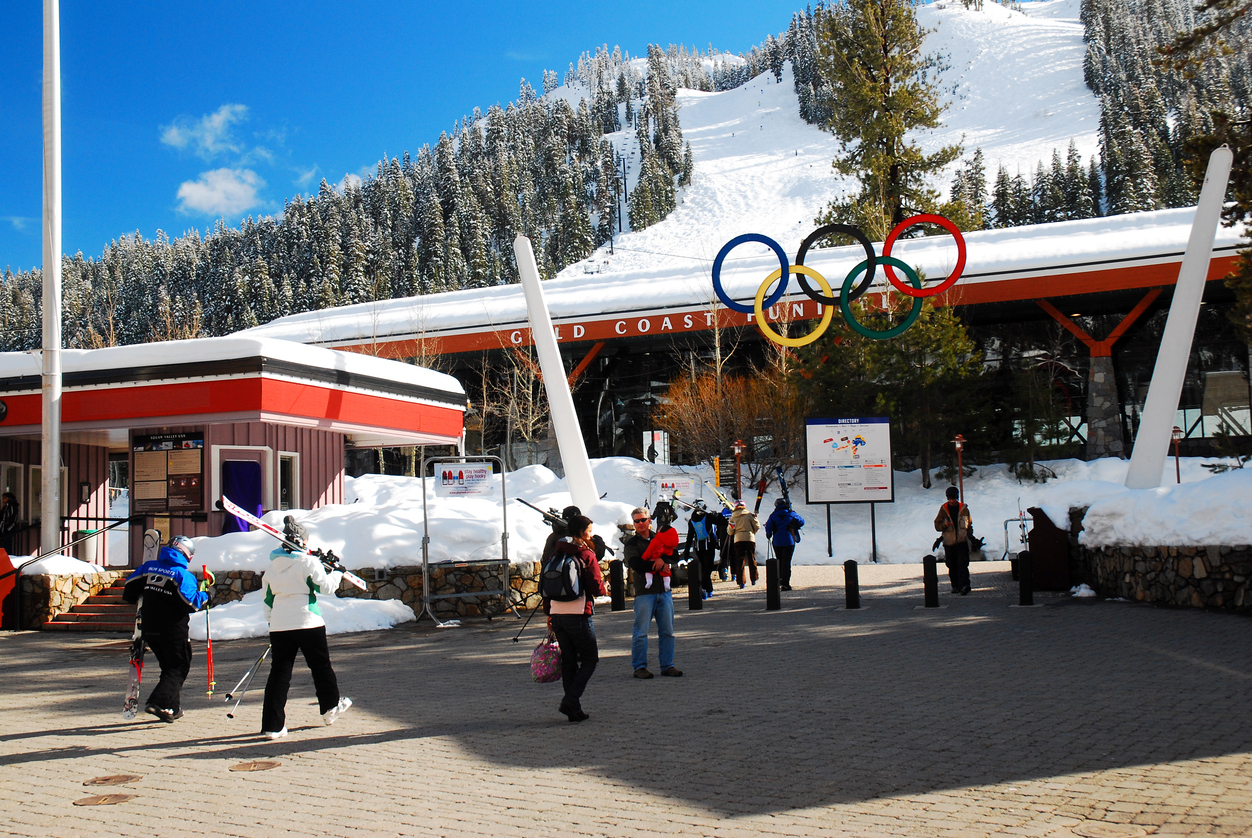
Meanwhile, the 2026 Winter Olympic games are set to open Friday, and some Olympians are already using their heightened platform to speak out on immigrations actions in the U.S., including members of the women’s hockey team, cross-country skier Jessie Diggins and figure skater Alysa Liu.
Twenty-four of Team USA’s athletes call Minnesota home, increasing the chances they’ll speak out about the events that have rocked their state over the past month.
Why it matters: Most companies have kept a carefully neutral position on immigration actions thus far. Even those who have called for a “de-escalation” in the streets of Minneapolis have kept their language circumspect, avoiding even mentioning the word “immigration.”
But the Super Bowl and the Olympics represent two of the largest PR and marketing events for companies. Not only do they sponsor the events themselves, many have partnerships with individual teams or athletes who might make statements about the unfolding events in their country.
While some rules dictate how and when Olympians can make political statements – not on the podium, not from the Olympic village – they still have the right to speak on social media, during press conferences and at other times.
Bad Bunny’s performance itself, including his Spanish-language songs, will be seen as a political act in and of itself by some. Advertising placements could be seen as endorsements.
Companies might find themselves drawn into the fray whether they want to or not. The time to prepare is now, having conversations with sponsored athletes when possible about what their commentary might look like. It also means getting those statements ready that clarify the company’s position (or lack thereof).
Influencer marketing, which includes sponsoring athletes and athletic competitions, is rewarding because it allows audiences to build trust with people. It exposes risk for the same reason: people are authentic, fully realized individuals who want to speak out on the issues that are important to them.
Editor’s Top Reads:
- “AI-washing” is the hot new trend in layoff communications, according to the New York Times. Companies say the layoffs are connected to AI advancements, but that technology isn’t actually ready to take over anyone’s job. Experts told the Times that these “anticipatory layoffs” send a signal to the market that the organizations are adapting to technological advancements, even if they aren’t quite fully realized yet, and that it’s a more positive spin on a layoff than needing to save money. People might not be thrilled with the prospect of losing their jobs to robots, but the Times reports that it’s seen as a politically safer option than blaming it on administration policies or even just weak business fundamentals. Still, this tactic does risk eroding overall trust both with the public and remaining employees, so deploy cautiously.
- New Nestlé CEO Philipp Navratil had a candid interview with the New York Times, discussing everything from his predecessor’s sexual impropriety with a subordinate to tariffs to the staggering amount of coffee he drinks in a day (eight cups). Navratil, who is the third CEO in two years, worked to project an air of calm stability. “Nestlé is not used to such turbulent times. We’re a company that should be steady and just deliver what it promises. The most important thing is that when the C.E.O. changes, it doesn’t have to disrupt the whole company,” he said. Navratil also said he was “really happy” the U.S. is having a conversation about food safety and processed foods, simultaneously touting the company’s 99.8% of products that don’t use artificial dyes while also defending their production of pizza and chocolates. It’s a fine line to walk, and one that certainly conceals furious lobbying behind the scenes. Still, by framing the governmental action as an invitation to conversation, Navratil signals openness, a comfort with his company’s practices and a willingness to do the right thing.
- After months of touting a return to friendly baristas who scrawl encouraging doodles and messages on your coffee cup, Starbucks is now employing AI as part of the customer experience as well. While some uses of AI do seem focused on improving productivity behind the scenes through inventory management or recipe access, the coffee chain also is using AI to take orders in drive-thrus, which would seem to contradict their ongoing push to more personal service. But CEO Brian Niccol says there’s no contradiction. “It’s a way for us to make the experience… have less friction,” he said. Will people accept that robots can be part of a warmer, fuzzier experience? Or will they see a corporation trying to have its cake and eat it too—or worse yet, renege on its promises?
Allison Carter is editorial director of PR Daily and Ragan.com. Follow her on LinkedIn.
The post Celebrities, Olympians speak out against ICE, raising questions for sponsors appeared first on PR Daily.
[ad_2]
Source_link