Customer engagement is the growth engine most brands ignore until they see the numbers.
Brands with fully engaged customers unlock around 23% more revenue, profit, and growth than those stuck at average engagement levels.
Yet most teams still reduce “customer engagement” to surface-level tactics, such as a one-off discount or a slightly more personalized email. The reality is that true engagement looks very different, and it demands a more ambitious strategy than tweaking a subject line.
Today’s consumers are done giving second chances to clunky, one-off brand interactions.
They expect you to show up the same way everywhere, anticipate what they need next, and make every touchpoint feel seamless and respectful across the entire journey. When you get that right, engagement stops being a dashboard metric and starts powering real outcomes like loyalty, retention, higher lifetime value, and genuine advocacy.
With that mindset, here are ten customer engagement strategies that move beyond quick wins and help you build long-term, meaningful connections
Why do you need a customer engagement strategy?
A strong engagement strategy doesn’t just make customers “happy.” It builds resilience, revenue, and long-term loyalty that’s extremely hard for competitors to shake loose.
Here’s the real impact of high engagement:
- Higher Average Order Value (AOV): Personalized offers, rewards, and timely recommendations nudge customers to act. It also taps into cross-selling and upselling opportunities, as engaged customers would be far more receptive to suggestions.
- Lasting loyalty: Even in the face of more expensive or ostentatious competitors, consumers who truly connect with a brand are more likely to stick with it. Since 70% of engaged consumers spend twice or more on businesses they are loyal to, this loyalty turns into revenue!
- Organic advocacy: Happy, engaged customers turn into vocal advocates. At 36%, this word-of-mouth marketing is the leading source of brand discovery for internet users. That’s more than what social media and mobile app advertisements fetch.
- Lower churn: Engaged customers feel valued and connected, making them less likely to leave. Strong customer engagement strategies address needs before they become reasons to churn. The resulting experience cuts churn rates by a whopping 75%.
- Richer customer insights: Each interaction, whether clicks, comments, or feedback, reveals preferences and pain points. These insights help tailor experiences and predict behavior. The fun part? Insights power customer engagement strategies, enriching the experience and driving engagement. A positive feedback loop in action.
- Stronger brand positioning: Positive, memorable interactions leave a lasting impression on customers. The result? They’re 3x more likely to recommend your product or service.
Top 10 customer engagement strategies
Here are some real-world customer engagement strategies that can be adopted by businesses.
1. Share your brand’s story
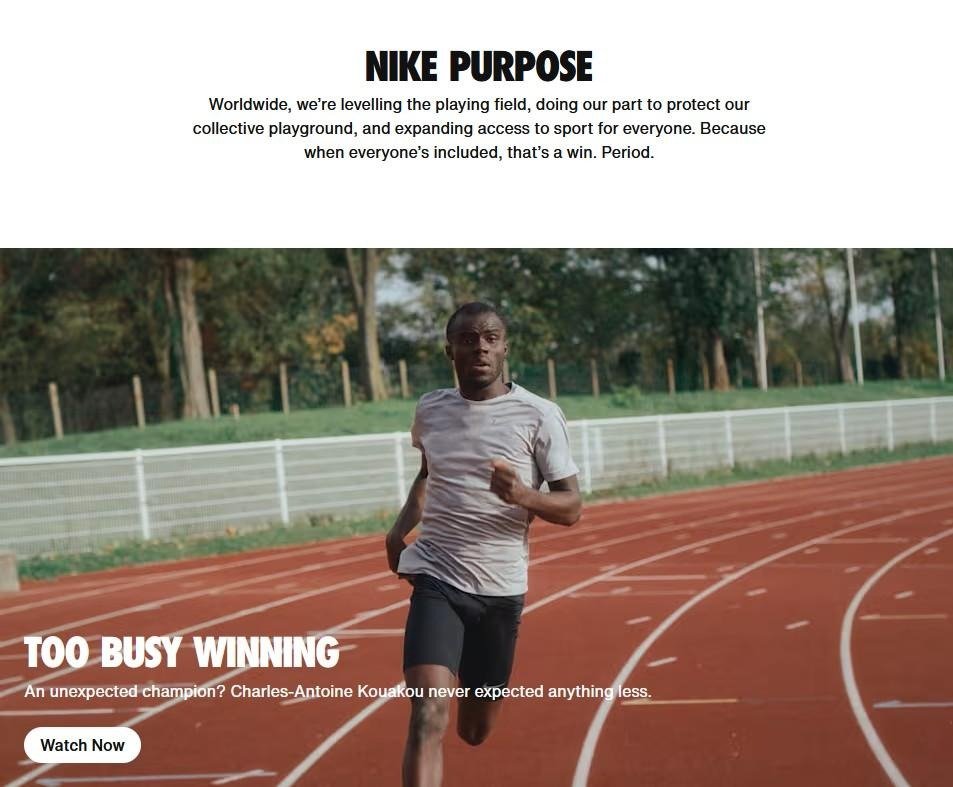
Every brand has a story, but the real question is, are you telling it in a way that truly resonates? Customers don’t connect with a faceless logo; they connect with values, people, and moments that feel authentic.
That’s why your mission, history, and vision matter. They give your audience something to believe in. But don’t stop at a polished “About Us” page. Let your employees and customers be the ones to narrate your story.
Think behind-the-scenes snippets. A blooper reel. A quick customer testimonial. These small, authentic moments make your brand human. And in today’s world, authenticity always wins over perfection.
2. Create high-value content
Most brands create content for visibility, such as blog posts written for Google, videos created for reach, and newsletters sent because “it’s been a while.”
But content stops being engaging the moment it stops being useful.
In 2026, create high-value content that does one thing exceptionally well: helps customers make better decisions. Your content should simply explain something complex, save customers time, reduce uncertainty, or spark new ideas they wouldn’t have had on their own.
But how you distribute your content matters as much as the content itself.
A brilliant product guide is useless if it reaches the wrong person at the wrong time. This is where Insider One’s Sirius AI helps. Instead of pushing the same content to everyone, it selects and delivers content based on real behavioral signals.
One customer might receive a comparison guide after browsing product pages repeatedly. Another might receive a short video because they prefer visual formats. A third might get a product explainer in WhatsApp just before they visit a store.
Personalized content delivery transforms passive consumption into active engagement.
3. Go omnichannel
Your customers don’t experience your brand in channels; they experience it in moments. They might see a social ad on the train, browse your website on desktop, add something to cart on mobile, ask a question on WhatsApp, and eventually complete the purchase after clicking an email on their lunch break. To them, it’s one journey. To most brands, it’s five disconnected touchpoints.
That’s where engagement breaks.
An effective customer engagement strategy treats all these interactions as parts of a single conversation. The message a customer sees in their inbox should reflect what they just did on your website. A mobile push should feel like a continuation of something they saw in-store or in-app, not a random interruption. When this doesn’t happen, customers feel like they’re starting from scratch every time they talk to you.
Going omnichannel isn’t about “being everywhere.” It’s about knowing where your customer is in their journey and meeting them there with context.
This is where Insider One’s omnichannel marketing platform and CDP help brands succeed. By unifying web, app, email, push, messaging apps, and offline data into a single profile, brands can start orchestrating. Instead of building separate campaigns for each channel, marketers can design one journey that automatically decides which channel to use based on behavior and intent.
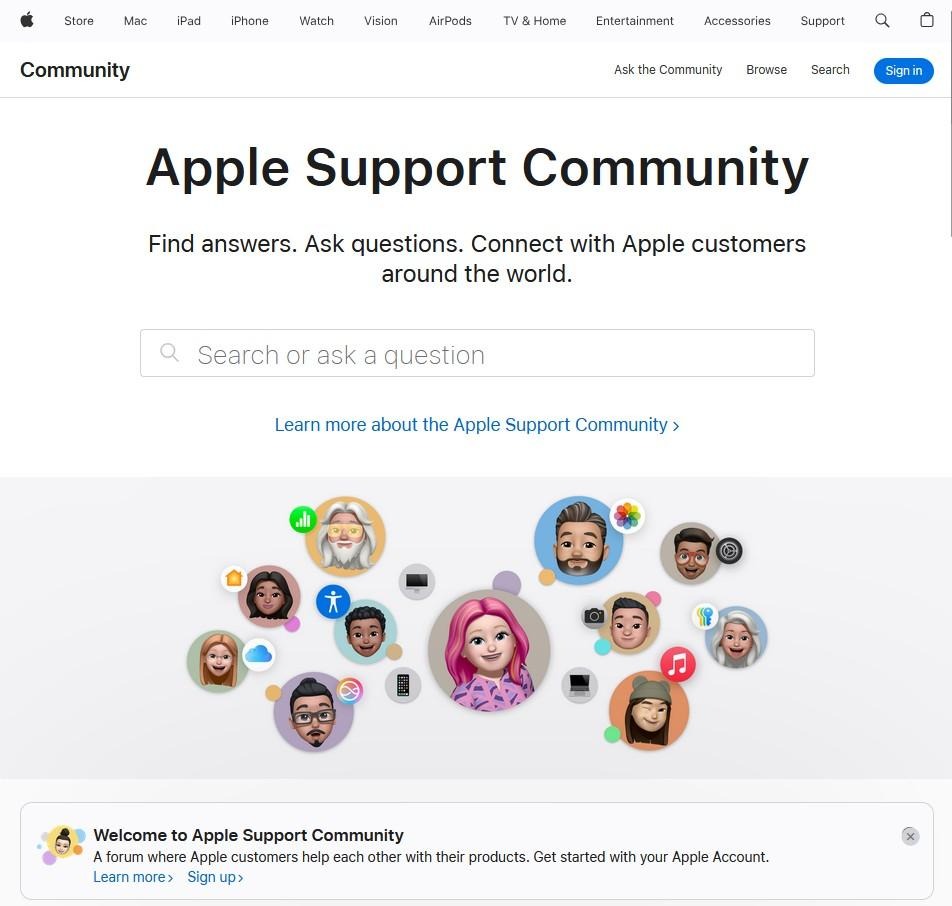
Customers don’t just want to buy. They want to belong. This is why you need to build communities, whether it’s a private group, a forum, or even live events. It provides customers with a space to connect, share, and learn from one another. As a result, it elevates a simple transaction into a shared experience.
When customers talk to peers, trust builds faster than when it comes straight from a brand.
Encourage conversations, invite user-generated content, and provide space for peer-to-peer support. Over time, these communities evolve into advocacy hubs, where your most loyal customers naturally champion your brand. This type of engagement can’t be bought but it can be carefully nurtured.
5. Practice active listening
Listening isn’t a survey. It’s an interpretation.
Customers reveal their needs long before they articulate them. A pattern of repeat visits to a product page. A sudden shift from mobile browsing to desktop research. A reduction in session depth. A long pause on the returns page. These behavioral signals communicate urgency, hesitation, and intent more clearly than words.
Brands that rely solely on explicit feedback miss the larger story. Real listening requires analyzing the silent data: the behaviors, the micro-frictions, the journeys that stop halfway. When interpreted correctly, these signals uncover dissatisfaction before it becomes churn and highlight opportunities before they become missed revenue.
Insider One’s predictive segmentation makes this kind of listening operational. It identifies patterns that human teams would overlook and surfaces customers who need intervention right now. And when brands act proactively, before customers complain, engagement shifts from reactive to anticipatory. That’s when trust is built.
6. Gamify customer engagement
Customer engagement doesn’t always need to be serious. Sometimes, it works best when it feels fun. That’s where gamification comes in.
Think challenges, rewards, and leaderboards. Celebrate milestones with badges. Encourage streaks with small perks. These playful nudges keep customers coming back, not because they have to, but because they want to.
But here’s the key: keep it meaningful, not gimmicky. Rewards tied to customer interests, like exclusive access or tiered perks, carry far more weight.
Insider One makes this easier with gamification templates and AI-driven recommendations. Done right, gamification turns simple interactions into sticky habits. And habits, once formed, are the quiet engine behind long-term loyalty.
For example, Starbucks Rewards gamifies the coffee-buying experience. Customers earn stars for every purchase, unlock tiered perks, and receive bonus rewards for streaks or challenges. These playful incentives keep users engaged, encourage repeat visits, and turn everyday coffee runs into a fun, habit-forming experience.
7. Take customer feedback seriously
Collecting customer feedback is easy. Acting on it is what sets you apart. Surveys, NPS scores, and quick polls all give signals. But signals mean nothing if they don’t spark change.
The real power lies in closing the loop. Share updates like, “You asked, we listened.” Even small tweaks that are born from customer input send a loud message: their voice matters.
When customers see their ideas shaping your brand, the dynamic shifts, and they’re no longer just buyers. They become collaborators. And collaboration builds loyalty far deeper than any discount ever could.
For instance, take how Amazon uses AI to analyze customer feedback at scale. They automatically monitor product reviews, detect recurring issues, and implement changes, like improving packaging, adding product details, or adjusting delivery processes. By using AI to turn feedback into actionable insights, Amazon ensures that customer voices are heard and acted upon, fostering loyalty and trust.
8. Run loyalty and rewards programs
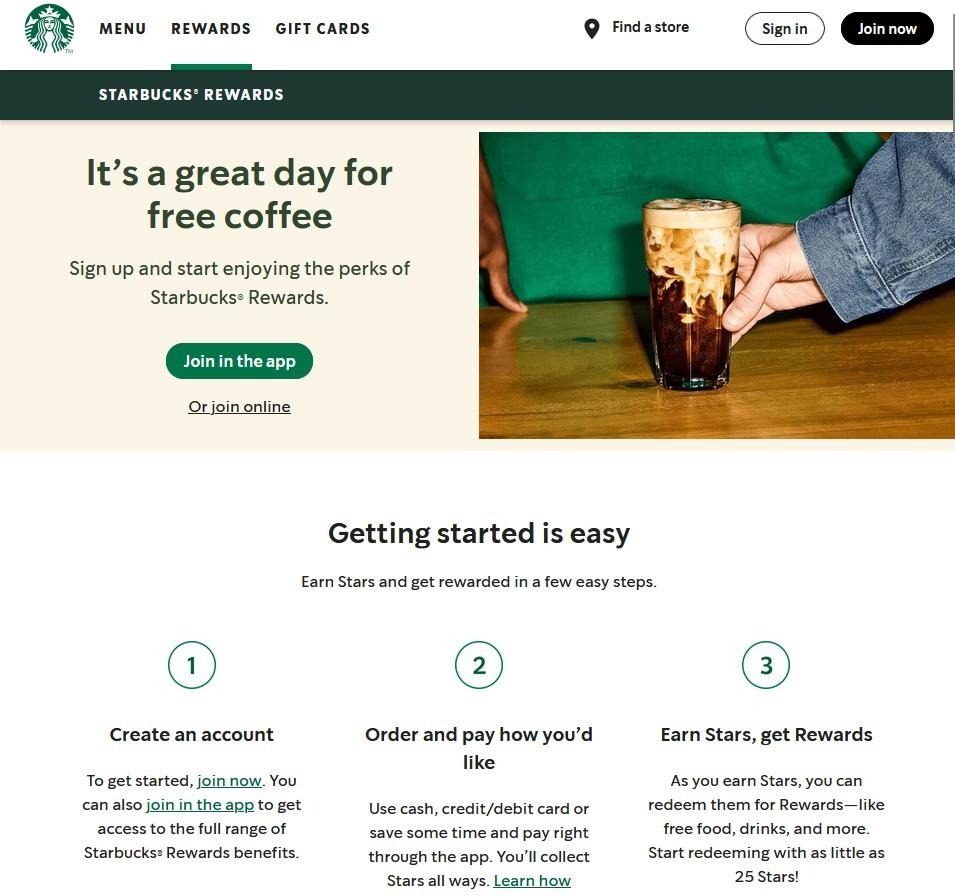
Most loyalty programs fail for one reason: they reward the transaction, not the person. Points, discounts, and coupons have become so common that customers treat them as currency, not connection.
A modern loyalty program recognizes behavior, identity, and long-term value. Customers want benefits that feel personal, not templated. They want to feel seen.
That means:
- Rewards that shift dynamically with purchase history
- Early access based on genuine interest
Samples that match preference patterns - Experiences unlocked through engagement, not just spend
- Recognition that goes beyond discounts.
The best loyalty programs reward actions that indicate loyalty, not merely spending. Reading content, attending a livestream, participating in a challenge, or sharing feedback are behaviors that strengthen relationships.
Insider One’s personalization engine helps tailor loyalty touchpoints at an individual level.
Instead of static tiers, members receive real-time, behavior-driven offers and benefits. A customer exploring skincare might be offered a trial-size serum. A frequent traveler might get dynamic free shipping perks during trip-planning periods. A high-intent shopper may receive early access to curated collections.
9. Brush up your social media game
Social media is no longer a place where brands “post.” It’s where brands behave. It’s where customers evaluate tone, responsiveness, personality, and authenticity, long before they consider a purchase.
Modern engagement on social doesn’t come from producing perfect content. It comes from showing up consistently and participating in real conversations. Customers want immediacy: fast replies, real emotions, and human language.
This means responding to comments with personality, acknowledging user posts, joining relevant conversations organically, showing behind-the-scenes moments, and embracing spontaneity rather than over-engineered polish.
Social also acts as a listening channel. Trends reveal intent. Complaints reveal friction. Creators reveal influence networks.
When social becomes a living extension of your brand identity and your engagement engine, not just a posting schedule, you earn a deeper form of trust. And trust is the ultimate currency on social.
10. Use the right customer engagement tools
Most marketing teams don’t need more tools. They need their tools to work together.
Disconnected Martech stacks create data silos, duplicate effort, and inconsistent customer experiences. CRMs, automation, and analytics platforms all play a role, but when they aren’t connected, marketers end up spending more time managing complexity than driving growth.
That’s why Insider One brings everything teams need to understand, engage, and grow their customers into one place. It eliminates fragmentation by unifying data, AI, and activation across every channel.
AI takes this a step further. Insider One’s Agent One works like an autonomous AI teammate. It chats with customers, answers questions, and even nudges purchases, all in real time. It learns. It adapts. It reduces friction.
The result? Customers feel seen and served instantly, while your teams gain time to focus on strategy. Personal engagement at scale: that’s the sweet spot.
Five steps to building a winning customer engagement strategy
You don’t just stumble upon customer engagement strategies that work. There’s science to it.
Here are five steps that can help you create a customer engagement strategy that doesn’t just get attention but keeps people coming back:
1. Define your customer engagement goals
Every strong strategy starts with purpose. Sounds simple, right? But too often, brands jump in without asking, “What are we actually trying to do?” Are you trying to boost loyalty, encourage repeat purchases, or prevent customer attrition? Maybe you’re looking to increase average order value. Or perhaps, you just want more bang for your marketing buck.
Without a clear direction, engagement can feel like throwing spaghetti at the wall. Some of it sticks, some doesn’t. And honestly, most of it falls flat.
Set measurable goals that directly tie to business outcomes. For example, saying, “increase repeat purchases by 15% in six months” is way better than “improve loyalty.” Clear goals give everyone a map, a shared target. You know where to start, when you’re on track, and when to celebrate small wins.
2. Understand your audience
You can’t engage everyone the same way. It’s like trying to wear one-size-fits-all shoes. Doesn’t quite work. Customers notice when a brand gets them, remembers what they like, or even sees what annoys them.
Segment your audience. Look at behavior, demographics, and past purchases. That’s how you make experiences feel personal rather than generic. First-time buyers? They might need guidance, a little hand-holding. Long-time customers? Exclusive perks, VIP treatment, maybe a cheeky “thanks for sticking with us” note.
Data is more than numbers; it provides insights into how people feel and what motivates them. When customers feel seen and understood, they stick around. It’s like rolling out a personalized welcome mat, and yes, people notice the difference.
3. Choose the right engagement channels
Show up where your customers actually spend their time.
Some people live on social media platforms like email and Instagram. Others, WhatsApp and in-app messages are their jam. Find the right channels, and suddenly your message doesn’t get lost in the noise.
Tools like Insider One’s omnichannel customer engagement platform help you keep messages consistent.
4. Personalize customer engagement
A generic promo is easy to ignore. But something that hits just right, based on their browsing history or past purchases? That’s different. That gets attention.
This is where AI like Insider One’s Agent One comes in handy. It’s like having a personal shopper who knows exactly what you want before you even ask.
Instead of shouting the same message to thousands, you’re having one-to-one conversations at scale. It’s subtle, but it works. Trust builds, and loyalty grows. Over time, casual customers can turn into hardcore fans of your brand.
5. Measure, analyze, and improve
Engagement is not a one-time launch; it is a living system you constantly tune, refine, and upgrade. You will test ideas, miss the mark, and learn fast, and that cycle is what turns good strategies into great ones.
Keep a close watch on engagement rate, churn, NPS, and repeat purchase rate, then layer in patterns from behavior, qualitative feedback, and the small signals customers leave behind. Metrics show what is happening, but only data plus real customer insight will tell you why.
If churn starts to climb, dig into the root cause, whether it is price, product gaps, experience issues, or something else customers are telling you outright. The strongest engagement strategies move with your customers in real time, adjusting as their expectations, context, and behavior shift.
From interaction to business results: Customer engagement is an achievement
When brands invest in real conversations, genuine relationships, and frictionless experiences, they do not just create satisfied customers, they create outcomes everyone in the business can feel.
Higher retention, stronger lifetime value, and better ROI are all downstream effects of thoughtful engagement that touches every part of your organization. It is not about chasing every channel at once, but about listening closely and using the right technology to make personalization feel natural, not forced.
Do that consistently, and engagement stops sounding like a buzzword and starts looking like the reason your brand grows faster, lasts longer, and actually matters to your customers.
Looking to convert these customer engagement strategies into action? Book a demo to know how Insider One can help!
FAQs
The goal of customer engagement is to build and maintain meaningful connections with customers, enabling better communication and real-time understanding of their needs.
Customer engagement is how a business maintains contact with a customer throughout their brand experience. Customer experience, or CX, is a consumer’s overall impression of the brand.
Success can be measured by tracking key metrics such as:
Net Promoter Score (NPS): Gauges customer satisfaction and likelihood to recommend.
Customer retention rate: Reflects loyalty and reduced churn.
Repeat purchase rate: Shows how often customers come back.
Customer Lifetime Value (CLV): Indicates long-term revenue potential.
ROI on engagement campaigns: Demonstrates the direct impact of engagement efforts on business growth.