[ad_1]
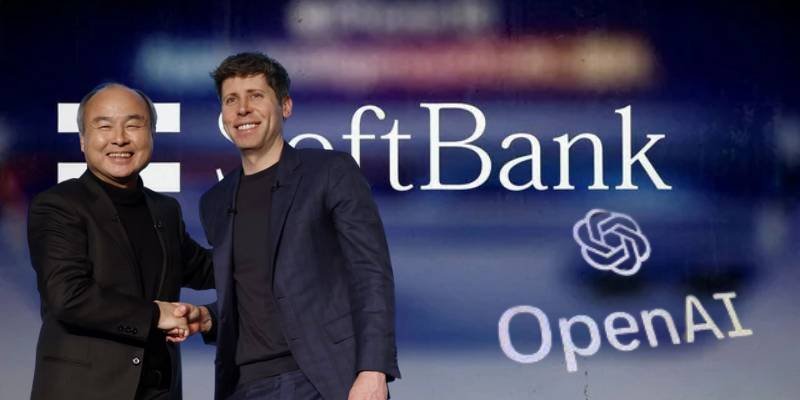
SoftBank is said to be in discussions to invest an additional $30 billion in OpenAI, a deal that would rewrite the competitive balance for artificial intelligence around the world.
The talks were earlier reported by Reuters, citing a report from The Wall Street Journal, and they would follow OpenAI’s exploration of raising about $100 billion; that funding round could put the group at around an estimated $830 billion valuation.
If the deal does happen, it will be one of the most significant AI-related investments floated to date, and it’s a sign that SoftBank wants a front-row seat in AI rather than just watching from afar.
It’s also typical for SoftBank founder Masayoshi Son, who has always liked making grand, long-term predictions and investments and this one – assuming the reports are true – would put OpenAI at the heart of his vision for the next decade in technology.
The size of the potential investment shows just how costly it has become to be a leader in AI.
Training and running more advanced models like those generated by OpenAI take huge amounts of computing power, custom chips and data-center resources.
That is among the reasons AI companies are now raising money in amounts that have been rare in tech before, much less fighting a war for talent.
Are you ready for a world ruled by robots? The Wall Street Journal described SoftBank’s discussions as part of wider fundraising efforts with OpenAI but underlined that it will need far more cash to fund its ambitions on an unprecedented scale.
What’s striking is that we’re not just talking about financing one company – this is about who gets to build and control the infrastructure of the A.I. era.
Whichever companies control AI compute and deployment are likely to shape not only which industries currently automate work, but also how software is created and digital services that billions of people globally depend on evolve.
Financial Times coverage has also suggested that SoftBank is close to agreeing this extra funding, further suggesting that OpenAI’s ambitions for expansion have become intertwined around a mega scale of investment and partnerships.
Beyond the numbers, the talks are testament to a broader change within A.I.: not just advances in research but what it takes for innovation to succeed – access to capital, to processing power and energy-intensive compute.
In that kind of environment, investors like SoftBank are not just putting money to work; they’re also inserting themselves into positions of power in the future of technology.
It has also been speculated by Reuters that the investment in this AI data-center is part of a larger trend towards expanding with AI for data-centers overall, with major infrastructure goals to support next-gen AI systems.
If SoftBank follows through, the move could add to OpenAI’s rapid expansion and heighten the competition among AI giants in the United States, China and Europe.
It would also raise fresh questions about how concentrated AI development is getting – in which a few powerful firms, with the backing of massive investors, may ultimately dominate the technology that increasingly influences everything else.
[ad_2]
Source_link