
A few years ago, eCommerce product discovery was simple.
You ranked a category page, optimized a product page, and waited for traffic to roll in.
That’s no longer how people find products.
Today, discovery happens inside AI overviews, ChatGPT answers, voice assistants, and comparison summaries long before someone ever clicks through to a store. In many cases, the decision is already made by the time a product page is even seen.
This isn’t the end of eCommerce SEO. But it is a shift in where the product discovery process begins.
In this article, I’ll break down how effective product discovery works in the age of AI search, why ranking pages alone is no longer enough, and what actually drives visibility when artificial intelligence decides which options get recommended.

Link building cheat sheet
Gain access to the 3-step strategy we use to earn over 86 high-quality backlinks each month.
What Is eCommerce Discovery?
eCommerce product discovery is the process of how shoppers find products before they buy them.
It includes everything that happens before someone lands on a product page. The searches they make, the comparisons they read, the product recommendations they see, and the brands that get suggested along the way.
Traditionally, the ecommerce product discovery process was driven by category pages, site search, and Google rankings. A customer would search for something, browse a few stores, compare options, and then make a decision.
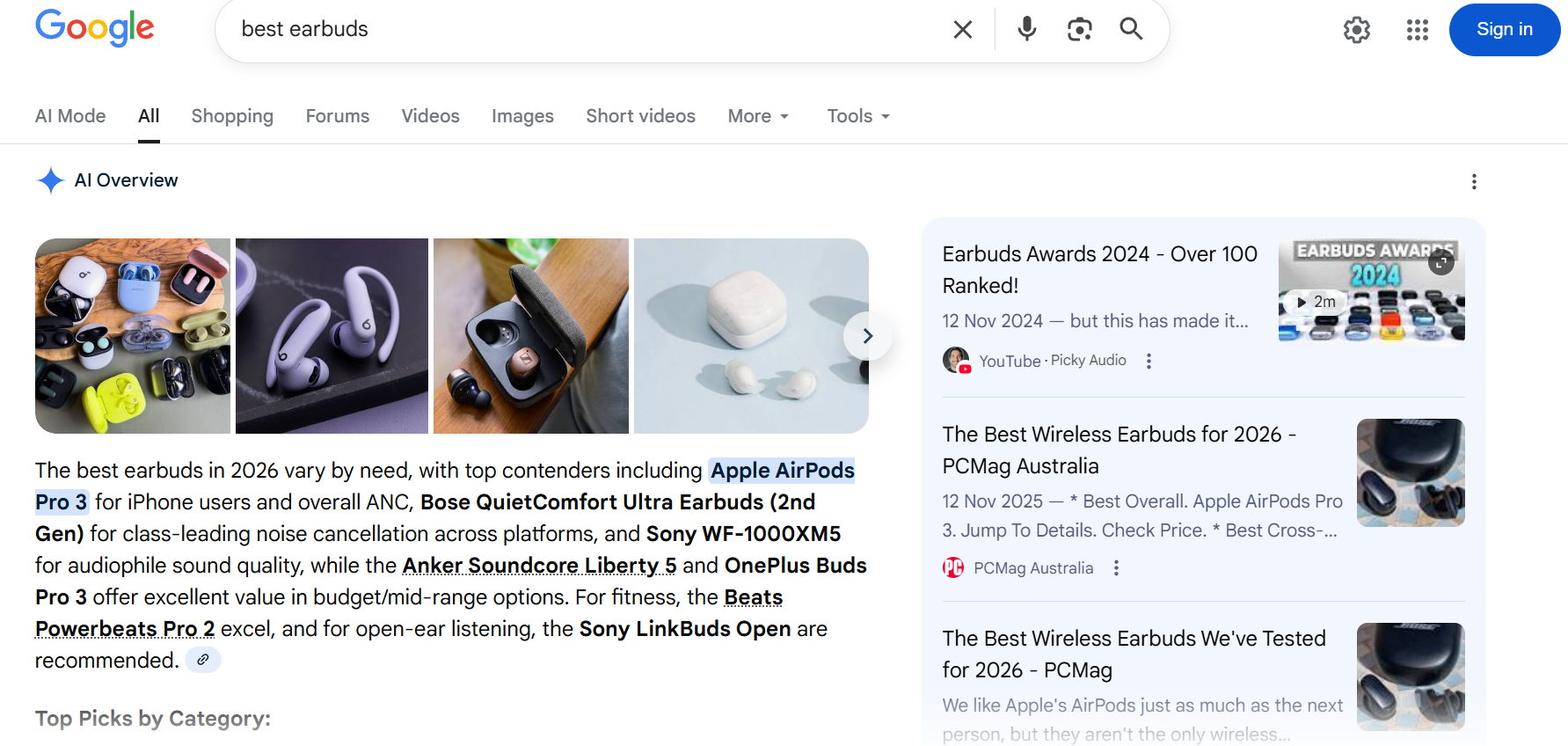
AI search changes that flow.
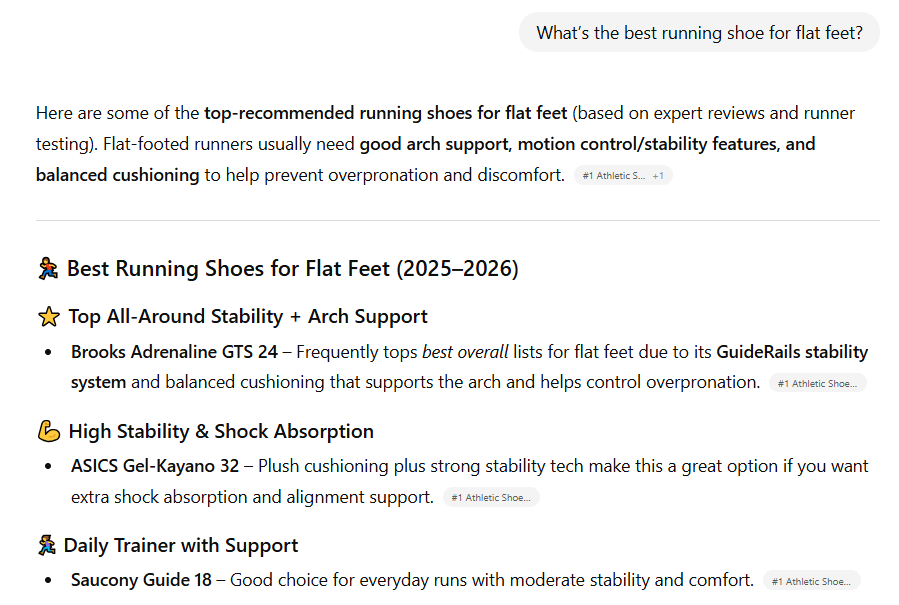
Instead of browsing, users increasingly ask questions. “What’s the best running shoe for flat feet?” “Which email outreach tool works best for ecommerce?” “Best standing desk under $500.”
The discovery now happens inside the answer.
Where eCommerce Discovery Happens Today
eCommerce product discovery experience no longer happens in one place.
It is spread across multiple AI-driven surfaces that shape buying decisions before a shopper ever reaches a store.
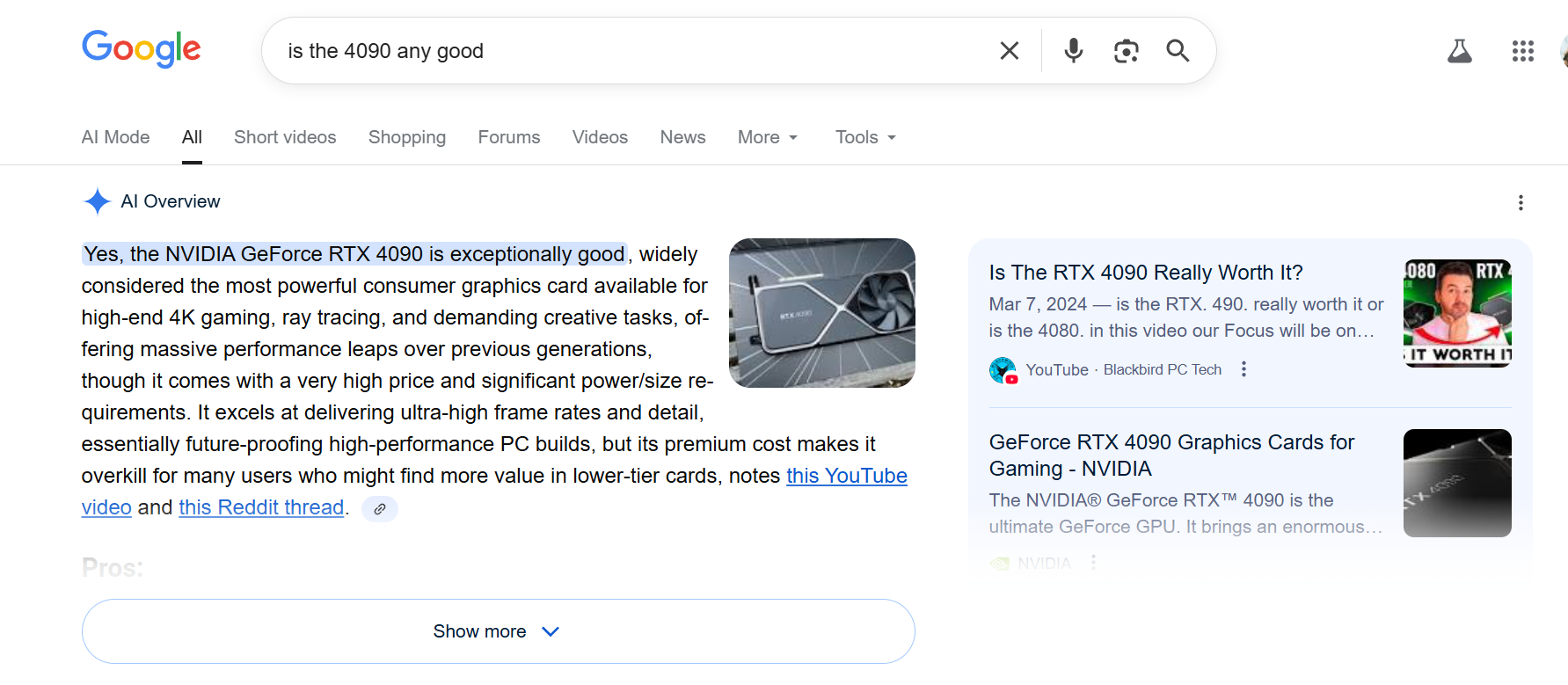
One of the biggest is Google AI overviews. Instead of sending users through category pages, Google now summarizes products, features, and comparisons directly in the search results. For many queries, the overview becomes the first and only step of the discovery phase.
Answer engines like ChatGPT play a similar role. People use them to research products, compare options, and ask buying questions in natural language. When ChatGPT recommends a product or brand, that recommendation often carries more weight than a traditional search result.
Voice assistants add another layer. Product search queries via voice tend to be specific and intent-driven, and they usually return a single answer. That makes the shopping experience far more concentrated, with very little room for visibility beyond what the AI chooses to mention.
The discovery process also happens heavily on third-party platforms. Review sites, comparison articles, marketplaces, and “best of” lists frequently rank well and are commonly used as source material by AI systems. In many cases, these pages influence customer behavior more than retailer-owned pages.
The common thread across all of these channels is simple.
Modern commerce discovery happens where AI systems summarize and recommend, not where users browse and scroll.
Why Ranking Product Pages Is No Longer Enough
For a long time, SEO strategies focused on ranking individual product pages for high-intent keywords. While this still matters, it is no longer sufficient on its own, especially in competitive markets.
First, customer behavior has changed. Buyers rarely land on a product page and convert right away. They research, compare options, read reviews, and look for social proof.
Much of this happens before they ever search for a specific product or visit an ecommerce brand. If your content does not appear during these early and mid-funnel stages of the customer journey, you miss a large share of potential demand.
Second, search results have evolved.
Google increasingly prioritizes editorial and third-party content such as guides, comparisons, and “best of” lists. Even well-optimized product pages are often pushed below informational content, review sites, and AI-generated summaries, reducing their visibility.
Third, trust is built off-site as much as on-site.
Buyers place more weight on independent opinions than messaging from a retailer. Product pages alone cannot provide the external validation that users and search engines look for today. Without authoritative mentions, backlinks, and coverage from trusted sources, product pages struggle to rank and convert consistently.
Finally, competition has intensified.
Nearly every serious eCommerce retailer optimizes its pages. What separates top performers is their ability to influence potential customers earlier by owning the conversation around a problem and showing up across multiple channels to improve customer satisfaction.
The Role of Backlinks and Brand Mentions in eCommerce Discovery
When it comes to the product discovery process in AI-driven commerce, authority is what separates items that get recommended from those that get ignored.
AI systems do not just look at product pages. They look at the entire ecosystem around a product. Reviews, comparison articles, buying guides, and listicles all play a role in shaping what gets surfaced in AI overviews and answer engines.
And the common denominator behind all of that visibility is backlinks and brand mentions.
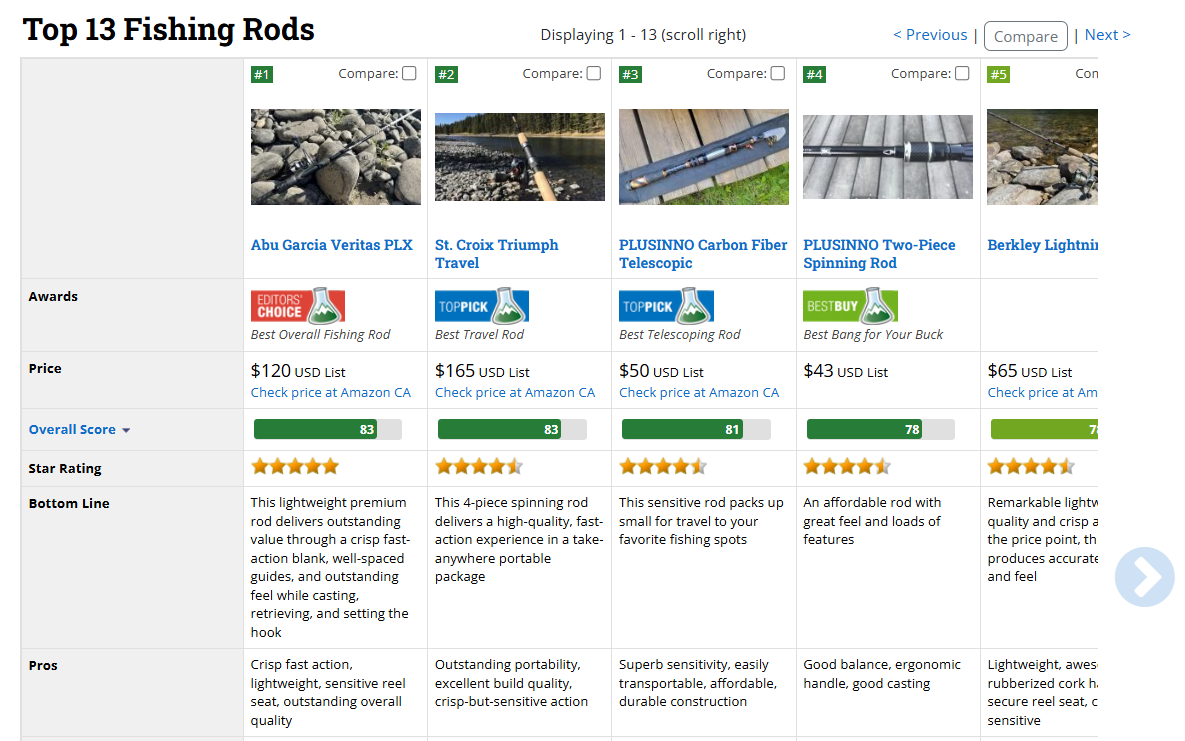
If your product is consistently mentioned on authoritative sites that already rank for buying and comparison queries, AI systems treat it as a safe recommendation. That is true even if your own product pages are not ranking at the top. In many cases, the shopping journey happens entirely on other people’s pages.
This is where most eCommerce brands struggle.
Building those mentions manually means finding the right publications, reaching out to writers and editors, pitching placements, and following up without spamming. It is time-consuming and difficult to scale, especially if you are also running an eCommerce operation.
That is exactly why we focus so heavily on link building at Respona.
Our done-for-you link building service helps eCommerce brands earn high-quality backlinks and brand mentions on sites that already influence AI-driven discovery. These are the same pages that AI systems pull from when making product recommendations.
How to Optimize for eCommerce Discovery in AI Search
AI-driven search changes how shoppers find what they need. Instead of ranking a single page for a single keyword, brands now compete to be the most reliable source an AI system can reference when answering a question or making a recommendation. Optimizing for this type of customer experience requires a broader and more structured approach.
Start by building entity-level authority.
AI systems look for clear signals about who you are, what you sell, and why you are credible. This means consistent brand mentions across the web, well-defined product categories, and clear positioning. Your brand should be easy to understand and easy to classify, both on your site and off it.
Next, expand beyond product-focused content.
AI-driven commerce surfaces guides, comparisons, and problem-solving content far more often than pure listings. Create content that answers buyer questions, explains use cases, and compares alternatives. This helps AI models associate your name with specific problems and solutions, not just SKUs, and improves overall product discoverability.

Third, optimize for citations, not just clicks.
AI-generated answers often reference sources instead of sending direct traffic. To be included, your content needs to be factual, well-structured, and easy to quote. Use clear headings, concise explanations, and original data or insights that are worth citing. Strong product information and product descriptions help here.
Another key factor is third-party validation.
AI systems heavily rely on external signals like reviews, expert articles, and brand mentions from authoritative sites. Investing in digital PR, partnerships, and high-quality placements increases the likelihood that your products are mentioned in AI-generated responses, supporting business goals around visibility and reaching the right customer.
Finally, strengthen your technical foundation.
Structured data, clean site architecture, and fast load times help AI systems accurately interpret your content. Well-implemented schema for items, reviews, and FAQs makes it easier for AI-driven search engines to extract and reuse your product data. Tools like Google Analytics can help you track which content drives the best customer experience and supports keyword research for future optimization.
Understanding customer preferences and shopper behavior through analytics allows you to refine your approach and ensure you’re presenting relevant products that align with what customers actually want to find during their shopping experience.
Link building cheat sheet
Gain access to the 3-step strategy we use to earn over 86 high-quality backlinks each month.
Now Over to You
eCommerce product discovery has moved upstream.
Shoppers are no longer browsing endlessly through category pages. They are asking AI systems what to buy, comparing options inside summaries, and trusting recommendations before they ever reach a product page.
That means visibility now depends less on where your store ranks and more on where your brand is mentioned.
If you want your products to be discovered in AI-driven commerce, you need to show up on the pages AI systems already trust. Reviews, comparisons, buying guides, and authoritative content that influence the discovery process.
That is exactly what our done-for-you link building service at Respona is built for. We help eCommerce brands earn high-quality backlinks and brand mentions on sites that actually drive product recommendations and improve the overall product discovery experience.
If you want your products to be recommended, not just indexed, sign up for Respona and let us build the links that get you discovered.
Frequently Asked Questions (FAQ)
What is eCommerce discovery?
Ecommerce product discovery is how shoppers find items before they buy. It includes searches, comparisons, product recommendations, and mentions that influence decisions before someone lands on a listing.
How has AI search changed eCommerce discovery?
AI-driven commerce shifts the discovery phase from browsing to recommendations. Instead of scrolling through search results, customers get summarized answers, comparisons, and suggestions directly from AI systems, transforming the entire shopping journey.
Do product pages still matter for eCommerce discovery?
Yes, but they are no longer enough on their own. Many discovery moments happen on third-party pages like reviews and comparison articles that AI systems pull from when making product recommendations to potential customers.
Can products be discovered without ranking #1 in Google?
Absolutely. Ranking in the top results helps, but AI systems often recommend the right product based on trusted mentions across the web, not just top-ranking pages from a single ecommerce brand.
Why are backlinks important for eCommerce discovery?
Backlinks and mentions signal authority and trust. When AI systems choose which items to recommend, they prioritize options that are consistently mentioned on authoritative sites, improving product discoverability and customer satisfaction.