Reading Time: 13 minutes
To retain customers, many retailers continually send automated push notifications and other messages, hoping that something will resonate with them. In most cases, it doesn’t.
Some teams pause long enough to pay attention to what customers are actually signaling. But the question remains: how can you boost retail customer engagement?
Real engagement comes from steady, almost quiet cues that let customers know their intention has been noticed. A sort of message that says: “We see what you’re trying to do, and we can make the next step easier.” When that happens, the relationship shifts slightly toward a purchase.
So this is what we’re going to look at in this article: why customer engagement in retail and Ecommerce matters, the benefits it actually creates, how retail and Ecommerce brands can improve it with omnichannel retail marketing, the metrics that prove it’s working, and a few real examples that make all of this clearer.
What is Ecommerce and Retail Customer Engagement?
Retail customer engagement is the ongoing interaction a retail brand has with its customers, whether they interact online or visit a physical store. It’s the steady work of building interest, trust, and a reason for customers to return to the retail store.
It’s the same story with Ecommerce customer engagement.
Some days it looks straightforward. On other days, it feels more like a long conversation that unfolds in small steps.
Retail and Ecommerce marketers typically believe that engagement primarily involves sending updates or promoting offers. That wasn’t always the case, and in most situations, it still isn’t.
Customer engagement actually runs deeper. It sits in the mix of conversations, gentle reminders, relevant suggestions, and those helpful moments where a customer notices that the brand actually remembers who they are. The small things add up.
What It Looks Like in Different Settings
- In Ecommerce, engagement is evident in a quick response when something breaks or a recommendation is made without feeling intrusive.
- In physical stores, it can be a staff interaction that comes across as genuine and natural, rather than rehearsed or pushy.
The setting changes, but the goal stays the same: retailers want a customer relationship that continues after the transaction. They want something that doesn’t disappear the moment the payment is processed.

The Importance of Customer Engagement in Retail and Ecommerce
The importance of customer engagement in retail and Ecommerce tends to appear in small ways first.
Usually, you notice it when customers return on their own, without a prompt or a discount code. When engagement feels right, a customer feels recognized. In many cases, that simple shift becomes the reason why a shopper sticks with your store or website, even when a cheaper option is sitting open in another tab.
Strong brands earn this loyalty because customers come to trust their promises, whether it’s the expected quality, the ethical values the company stands for, or simply the consistency of the experience. In retail and Ecommerce, the perception of trust can outweigh price, where customers often pay a premium for businesses that feel authentic, safeguard their data, and provide transparent customer service.
For retail and Ecommerce marketers, this means every interaction is not just a sales touchpoint, but an opportunity to reinforce both the emotional bond and the practical reliability that keep customers choosing your brand over others.
Strong engagement also has a significant impact on revenue patterns, customer lifetime value (LTV), and the frequency of brand mentions in everyday conversations. Ecommerce customer engagement follows a similar path, although the touchpoints occur through timing, data, and small moments, rather than face-to-face interactions.
And when a company lets this slide, the gaps appear quickly. You start to see churn, interactions that feel colder, and customers who navigate the omnichannel customer experience as if they’re on their own, even though the brand has everything it needs to help.
5 Benefits of Integrating Customer Engagement in Retail and Ecommerce Marketing
When companies take retail and Ecommerce customer engagement seriously, the changes become apparent. You can see it in how customers navigate a site, in how they browse in a store, and even in the way they discuss your brand.
It’s usually what follows when engagement becomes part of the main marketing work, rather than something handled on the side. A few benefits tend to show up early.
1. Higher customer loyalty
Customer loyalty grows when there’s a kind of familiarity that forms over time; the kind that makes a shopper think they’re understood and can stick around.
Most brands notice this through repeat purchases and fewer customers leaving for another store due to price differences.
2. Better personalization
Personalized marketing only works when it lines up with real customer behavior. Yet it collapses when it comes across as random, intrusive, or inaccurate.
Customer engagement in Ecommerce gives you timing and context, which means product recommendations feel more natural. This reduces friction and helps customers decide faster, giving them a small sense of comfort that usually brings them back.
3. Stronger word of mouth and quiet advocacy
Engaged customers talk. Sometimes it’s a quick mention among friends, other times it shows up in a social review or a shared link.
The importance of customer engagement in retail settings often becomes apparent in those simple conversations customers have when they find something that feels well-supported. The pattern is similar online.
4. Higher lifetime value
When engagement stays steady, spending patterns tend to shift upward. That’s expected in omnichannel Ecommerce.
A customer who interacts with your brand more frequently is more likely to find additional reasons to buy again. It’s not always a big jump; more often, it’s a gradual change, but it adds up.
This is one of the clearest financial reasons behind investing in retail and Ecommerce customer engagement.
5. Reduced churn and fewer quiet exits
Most customers don’t disappear because of a single dramatic issue. They disappear slowly due to small frustrations or a lack of support.
Good engagement keeps that drift from happening. A timely message or a simple check-in can anchor someone and reduce the customer churn that hurts many Ecommerce and retail brands.
How to Improve Customer Engagement for Your Retail or Ecommerce Business
Improving Ecommerce or retail customer engagement isn’t about stacking more messages on top of what you already send. Most brands already lean too hard in that direction.
The shift begins when you adopt an omnichannel retail strategy and identify the moments when customers hesitate or appear uncertain. Those small pauses usually indicate where engagement should begin.
Here are a few strategies and customer engagement ideas in retail and Ecommerce that tend to make the biggest difference when applied with intention rather than noise.
1. Map the real customer journey, not the ideal one
Most teams sketch customer journeys that look neat on a whiteboard. Then a real customer arrives, and the whole picture bends in unexpected ways.
Studying what actually happens—where someone pauses, scrolls back, or disappears—can feel uncomfortable, but it’s necessary. Retail customer engagement becomes meaningful only when it aligns with real customer behavior, rather than imagined patterns.
2. Use data in a way that gives clarity
Data can explain a lot, but it works more effectively when used judiciously. Instead of flooding customers with lists of recommendations, keep up with omnichannel retail trends and look for patterns that reveal what they’re trying to achieve.
In Ecommerce customer engagement, this might mean offering one thoughtful suggestion instead of an entire grid. Customers tend to respond well when it feels like guidance rather than pursuit.
3. Improve the touchpoints that cause the most stress
Every brand has its own stress points. A return policy that feels unclear, slow store help, checkout friction, and shipping updates that seem vague. Fixing just one or two of these often creates a larger improvement than expected.
The importance of customer engagement in retail becomes apparent quickly when friction is reduced. Customers relax and focus on the rest of their personalized experience.
4. Create small, timely check-ins that feel human
Your omnichannel Ecommerce strategy doesn’t need to be elaborate. A brief follow-up email after a purchase or a subtle nudge with an SMS when someone seems stuck can significantly impact how they perceive your Ecommerce brand.
These micro-interactions build trust. Trust, in turn, sits close to the center of Ecommerce and retail customer engagement.
5. Helping teams respond in a more natural way
Scripts keep interactions consistent, though they also make them forgettable. Customers notice when someone is actually listening.
When store teams or chat agents respond with judgment shaped by the situation rather than rehearsed lines, the experience becomes more human. This is where the importance of customer engagement in retail shows up on the floor.
6. Build self-service that actually lowers effort
Self-service tools often frustrate customers because they hide real help behind automated loops. When designed with care, Ecommerce marketing automation makes life easier by answering simple questions and leaving space for humans to handle complicated issues.
This balance strengthens Ecommerce customer engagement because customers feel supported without feeling pushed away.
7. Reward behavior that shows genuine interest
Most loyalty programs analyze spending and stop there. Engagement grows when you acknowledge other actions as well, such as reading your guides, sending feedback, trying new features, or visiting a store again.
Noticing these moments reinforces retail customer engagement in a way that feels more like a relationship than a transaction.
That covers the practical side, although the work continues to shift as expectations change.
Top 7 Retail and Ecommerce Customer Engagement Metrics
Measuring retail or Ecommerce customer engagement is rarely as easy as checking the average email open rate. Engagement sits inside quieter behaviors that don’t always stand out.
Yet a few customer engagement metrics consistently reveal whether customers are staying close to your brand or slowly stepping away. These are the ones that most Ecommerce and retail teams watch, because they reveal something real about movement and intent.
1. Customer retention rate
This indicates the number of customers who choose to remain with your brand over a specified period.
When customer retention drops, the importance of customer engagement in retail becomes fairly apparent, as it usually means customers don’t feel a reason to return.
How to calculate:
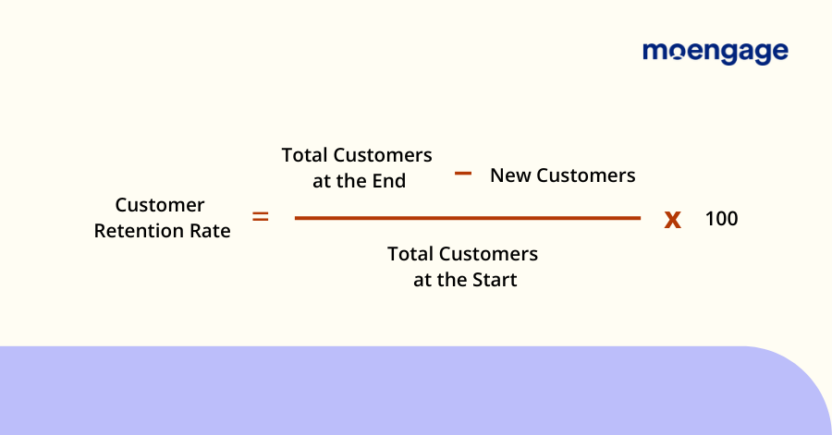
Analyze it monthly or quarterly to spot patterns in returning behavior.
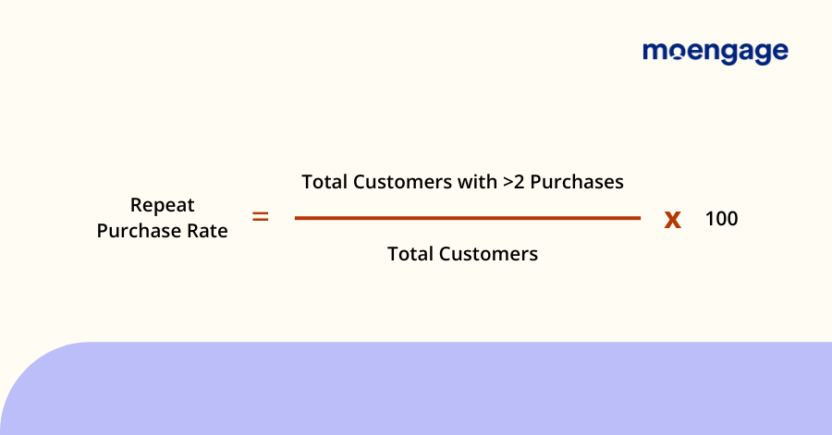
2. Repeat purchase rate
This metric indicates the percentage of customers who make repeat purchases.
Strong retail customer engagement usually lifts this number at a slow but steady pace.
How to calculate:
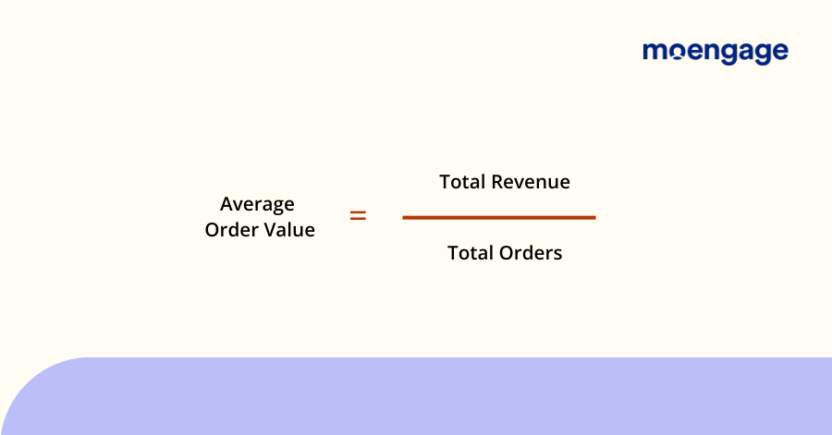
3. Average order value (AOV)
AOV reflects the average amount a customer spends per order. Helpful guidance and relevant moments in Ecommerce customer engagement tend to nudge this higher.
How to calculate:
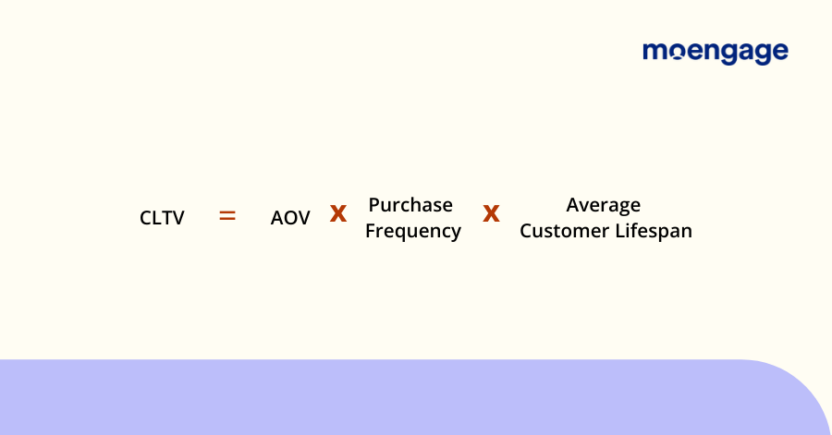
4. Customer lifetime value (LTV)
Customer LTV examines the total revenue a customer generates throughout their entire relationship with your brand. Brands that prioritize customer engagement in retail often see a rise in CLV because customers stay longer and make more purchases.
How to calculate:
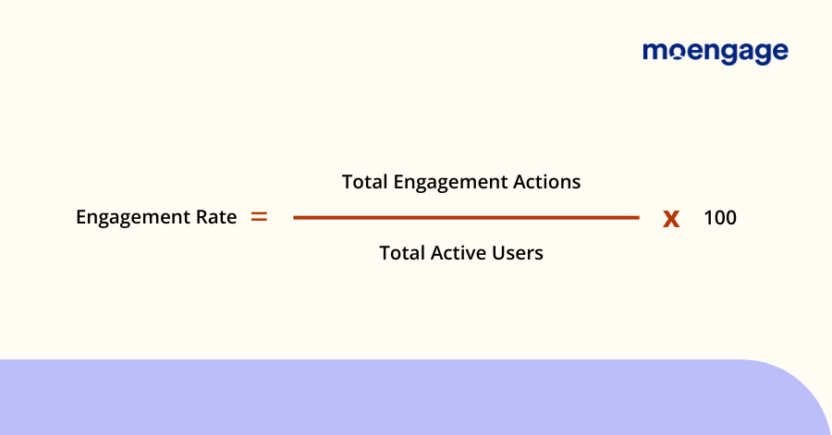
5. Engagement rate across channels
This illustrates the level of customer engagement across various touchpoints, including emails, app sessions, website visits, loyalty scans, and in-store interactions. It measures participation rather than simple consumption.
How to calculate:
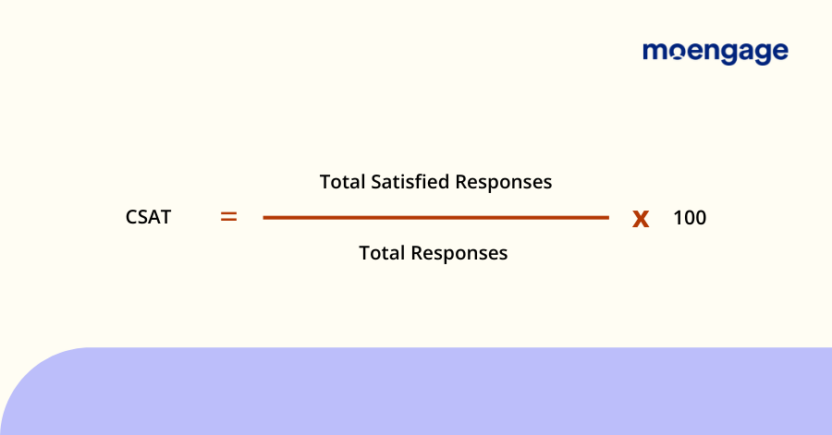
6. Customer satisfaction score
CSAT captures how customers felt during a specific interaction. It’s not perfect, but it usually gives the earliest signal when retail customer engagement is slipping.
How to calculate:
7. Net promoter score
NPS reflects how likely customers are to recommend your brand. It’s one of the clearer indicators of how well Ecommerce customer engagement has landed.
How to calculate:
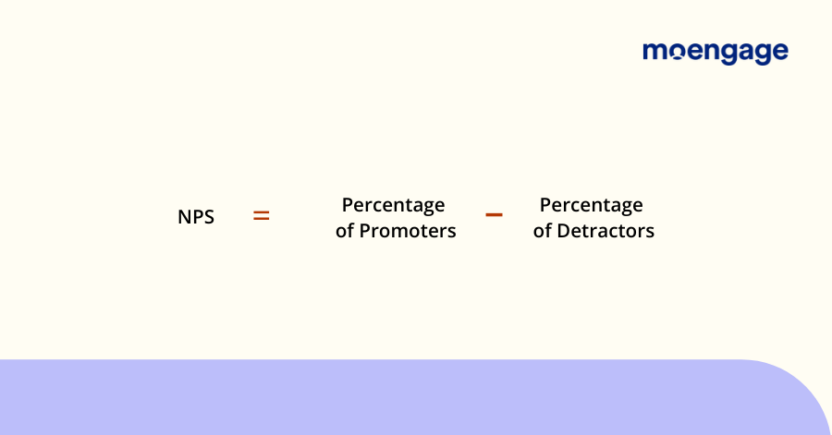
The score is derived from a single question: “How likely are you to recommend us on a scale of 0 to 10?”
Though these numbers don’t tell the full story on their own, they tend to show the direction things are heading.
Real-Life Examples of Customer Engagement in Retail and Ecommerce
Customer engagement makes more sense when you consider how it manifests during real interactions. Not big campaigns or shiny success stories. Just the moments where a brand either helps the customer move forward or slows them down a little. Retail and Ecommerce customer engagement takes shape in these small decisions.
The examples below walk through situations that usually stay with customers because the experience felt smooth or, at times, slightly off.
1. Sephora: Mixing store comfort with digital tools
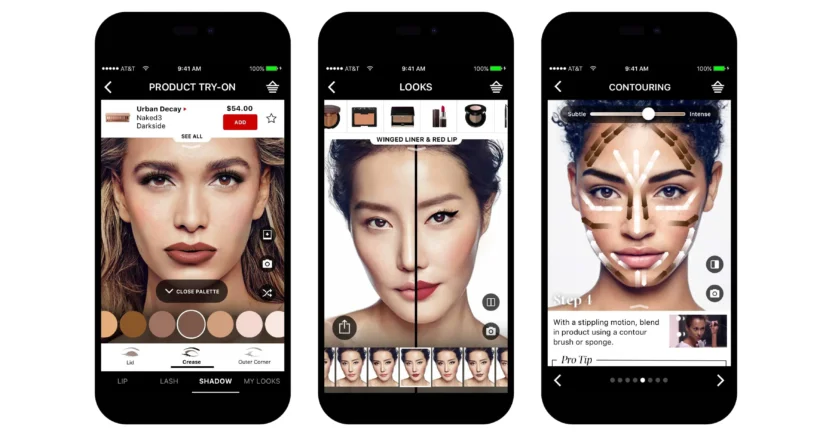
Sephora understands that beauty shopping can feel uneasy when someone is unsure about what suits them. Their scanners, skin-match tools, and virtual try-ons provide customers with a quiet space to explore options before speaking with anyone. It reduces that early hesitation that most customers don’t mention, but which they definitely feel.
A customer can test options, compare colors, and learn at their own pace. This is why the approach tends to work. It makes the whole experience less intimidating.
Retail brands with smaller budgets can still apply a simple version of this strategy. Size guides, short texture videos, or basic quiz tools typically help customers settle in before making a decision.
2. Nike: A membership that connects all touchpoints
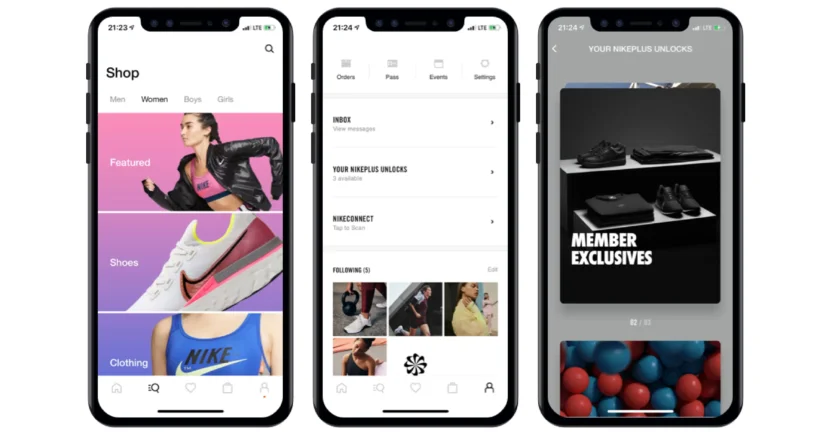
Nike treats membership as something that follows the customer wherever they go. The app, the site, and the physical store behave like linked spaces rather than unrelated systems. When someone browses running shoes online, that interest often resurfaces when they walk into a store. They don’t have to map the customer journey from scratch again.
That sense of continuity keeps Ecommerce customer engagement steady because it feels like the brand remembers the customer at each step.
Smaller brands can borrow this customer engagement Ecommerce idea by keeping browsing history, preferences, and rewards in sync so the next interaction feels like a continuation.
3. Starbucks: Routines turned into light engagement loops
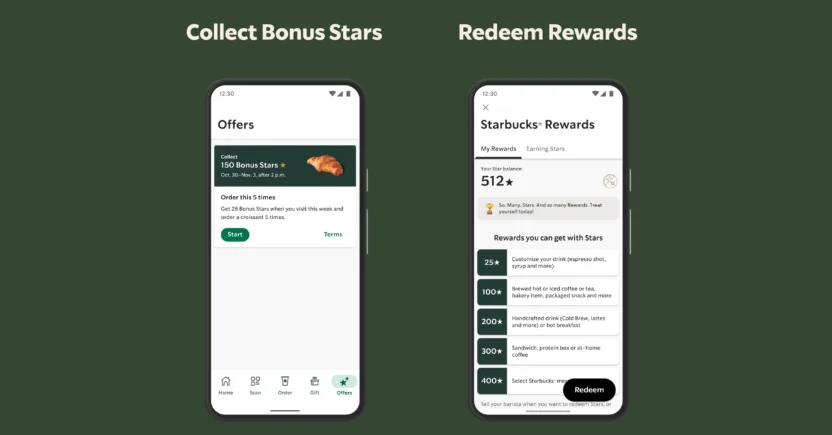
Starbucks relies on habits that customers already have — morning routines, office breaks, and evening errands — to drive sales. Their app utilizes small rewards and simple challenges that align with these patterns. It may seem repetitive, but the repetition is what customers respond to, as it creates a familiar rhythm.
They start expecting a certain type of nudge at a certain moment. This becomes part of how retail customer engagement grows over time.
A local store or a smaller chain can achieve the same effect by emphasizing consistency. Frequent visits, trying a seasonal item, or sharing feedback can be encouraged in small ways.
4. Amazon: Engagement built around removing effort
Amazon places its primary focus on convenience. Features like real-time tracking, quick refunds, personalized recommendations, and one-click checkout minimize the small irritations that often slow customers down.
The interface can feel crowded, and that is a weaker side of the experience, but the system itself works with very little resistance. Ecommerce customer engagement stays strong because customers trust that the process won’t waste their time.
Any retailer can look at this and start with the basics. Before focusing on delight or emotional moments, address the parts that regularly create friction. Engagement usually grows once the path becomes simpler.
5. Apple: Support that stays clear and low pressure
Apple stores are designed to allow customers to walk in without feeling pressured to buy anything. The team is trained to identify the actual issue and discuss it in a calm, straightforward manner. There is no strong sales tone in the interaction. This creates a sense of trust that builds slowly but stays for a long time.
Retail customer engagement strengthens because customers feel heard, even when the problem is small. Any brand can learn from this by removing confusing language, making help easier to access, and focusing on solving the specific thing the customer asked about. The rest can wait.
The thread that runs through these examples of customer engagement activities in retail and Ecommerce is that engagement often grows in these basic, practical moments. The work continues from here.
How to Choose a Retail Customer Engagement Platform
Choosing the right customer engagement platform is rarely about picking the flashiest product. It feels closer to choosing a long-term partner. One that grows with you, understands your customers, and keeps daily work manageable even when your needs expand.
A wrong pick usually shows up fast. You start dealing with scattered data, messages that don’t align, or tech that requires more effort than it delivers.
A platform for retail and Ecommerce customer engagement should feel connected to how you already want to communicate. If it becomes a dashboard you glance at once a month, something isn’t right.
Here are a few things worth paying close attention to.
- True Omnichannel Support: You need an omnichannel retail software platform that doesn’t separate email, mobile app activity, SMS, in-store POS, notifications, or website behavior into unrelated buckets. Ecommerce and retail customer engagement works better when every interaction flows into the same picture. A unified customer profile prevents the messy situation of treating the same person like multiple different customers.
- Personalization and Segmentation That Actually Work: Segmentation and personalization keep Ecommerce customer engagement relevant without being overbearing. What helps is an Ecommerce personalization software platform that shows what a customer has browsed, purchased, or how often they appear, and then lets you group similar customers together. After that, you can shape messages or offers with more accuracy.
- Automation and Workflow Efficiency: Handling everything manually becomes unrealistic once your customer base grows. A solid platform should handle routine tasks, such as follow-ups, reminders, and triggered messages like abandoned-cart nudges or steady re-engagement. This keeps engagement running even when your team’s time is limited.
- Real-Time Analytics and Insights: A good tool isn’t only about sending messages. It should help you understand what is performing well. Real-time tracking, attribution, and behavioral insights reveal patterns that you can adjust quickly. Customer actions start to take shape, becoming something usable rather than a pile of numbers.
- Smooth Integration With Your Existing Systems: If your omnichannel Ecommerce platform doesn’t connect cleanly with your CRM, inventory tools, website backend, or point-of-sale system, problems will appear immediately. Retail and Ecommerce workflows depend heavily on consistent data, so integration becomes a non-negotiable part.
- Scalability and Flexibility: Your current needs may be simple. Later, they won’t be. A platform should grow without slowing down. Adding new and emerging channels, such as in-app messaging, building new segments, or modifying workflows, should be relatively straightforward.
- Practical Balance of Automation and Human Touch: Marketing automation handles a lot, but customers still expect human responses at certain points. Maybe they need a support reply, a small personalized note, or reassurance when something goes wrong. The right platform makes room for both. Routine tasks stay automated, but conversations stay human when necessary.
At the end of the day, you need an Ecommerce or retail customer engagement platform that brings together most of these capabilities in one place. It should work well for unifying campaigns, shaping personalized journeys, and keeping decisions simpler across Ecommerce and retail workflows.

Customer Engagement in Retail and Ecommerce: Key Takeaways
When brands pay attention to the small friction points in customer journeys and respond with clearer steps or better timing, retail and Ecommerce customer engagement becomes part of the customer experience. Not just a number in a report.
If you need a platform that helps retail and Ecommerce teams build these connected, high-impact interactions, MoEngage’s Customer Engagement Platform can be a solid place to start.
And if you’re curious how it might fit your setup, a quick demo usually makes things clearer, giving you a sense of what real engagement feels like in practice.
The post Ecommerce and Retail Customer Engagement (Tactics + Metrics) appeared first on MoEngage.